
Vibepedia

Antiviral Therapies: The Frontline Against Viral Outbreaks

High-Impact Research Global Health Priority Rapidly Evolving Field
Antiviral Therapies: The Frontline Against Viral Outbreaks

Antiviral therapies have revolutionized the treatment of viral infections, transforming once-deadly diseases like HIV into manageable conditions. The…

Contents

  1. 🌟 Introduction to Antiviral Therapies
  2. 💡 Mechanisms of Antiviral Action
  3. 🧬 Viral Replication and Antiviral Targets
  4. 📈 History of Antiviral Development
  5. 🏥 Current Antiviral Therapies
  6. 👥 Antiviral Therapy in Special Populations
  7. 🚨 Antiviral Resistance and Its Consequences
  8. 🌐 Global Efforts to Combat Viral Outbreaks
  9. 🔬 Future Directions in Antiviral Research
  10. 💻 Computational Approaches to Antiviral Discovery
  11. 📊 Economic Impact of Antiviral Therapies
  12. Frequently Asked Questions
  13. Related Topics

Overview

Antiviral therapies have revolutionized the treatment of viral infections, saving countless lives and improving the quality of life for millions of people worldwide. The development of antiviral therapies is a complex process that involves understanding the mechanisms of viral replication and identifying effective targets for intervention. Antiviral drugs have been developed to treat a range of viral infections, including HIV, herpes simplex virus, and influenza virus. The use of antiviral therapies has also raised important questions about antiviral resistance and the need for vaccine development. As researchers continue to explore new approaches to antiviral therapy, the potential for gene therapy and immunotherapy is becoming increasingly promising. The World Health Organization plays a critical role in coordinating global efforts to combat viral outbreaks and develop effective antiviral therapies.

💡 Mechanisms of Antiviral Action

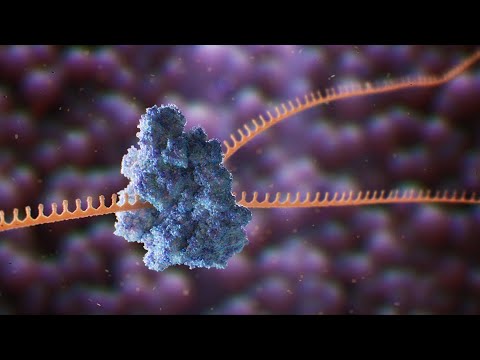
Antiviral therapies work by targeting specific mechanisms of viral replication, such as viral entry or viral replication. The development of antiviral therapies requires a deep understanding of the viral life cycle and the identification of effective targets for intervention. Nucleoside analogues, for example, are a class of antiviral drugs that work by inhibiting viral replication. Other antiviral therapies, such as protease inhibitors, target specific enzymes involved in viral replication. The use of combination therapy has also become increasingly common, as it can help to reduce the risk of antiviral resistance. Researchers are also exploring new approaches to antiviral therapy, including the use of siRNA and CRISPR-Cas9.

🧬 Viral Replication and Antiviral Targets

Viral replication is a complex process that involves the coordination of multiple viral and host cell factors. The viral genome is composed of either DNA or RNA, and the process of viral replication involves the transcription and translation of viral genes. Antiviral therapies can target various stages of viral replication, including viral entry, viral replication, and viral assembly. The development of antiviral therapies requires a deep understanding of the viral life cycle and the identification of effective targets for intervention. Researchers are also exploring new approaches to antiviral therapy, including the use of gene therapy and immunotherapy. The National Institutes of Health plays a critical role in supporting research into antiviral therapies and the development of new treatments for viral infections.

📈 History of Antiviral Development

The history of antiviral development is a long and complex one, with significant advances being made in the 20th century. The development of antiviral drugs such as acyclovir and zidovudine revolutionized the treatment of viral infections, and the use of combination therapy has become increasingly common. The World Health Organization has played a critical role in coordinating global efforts to combat viral outbreaks and develop effective antiviral therapies. Researchers are also exploring new approaches to antiviral therapy, including the use of siRNA and CRISPR-Cas9. The Centers for Disease Control and Prevention also plays a critical role in monitoring and responding to viral outbreaks, and the development of vaccine development has been a major priority in recent years.

🏥 Current Antiviral Therapies

Current antiviral therapies include a range of treatments, from nucleoside analogues to protease inhibitors. The use of combination therapy has become increasingly common, as it can help to reduce the risk of antiviral resistance. Researchers are also exploring new approaches to antiviral therapy, including the use of gene therapy and immunotherapy. The Food and Drug Administration plays a critical role in regulating the development and approval of antiviral therapies, and the World Health Organization provides critical guidance on the use of antiviral therapies in different settings. The National Institutes of Health also supports research into antiviral therapies and the development of new treatments for viral infections.

👥 Antiviral Therapy in Special Populations

Antiviral therapy in special populations, such as pregnant women and children, requires careful consideration of the potential risks and benefits. The use of antiviral drugs during pregnancy, for example, must be carefully monitored to minimize the risk of birth defects. Researchers are also exploring new approaches to antiviral therapy in special populations, including the use of gene therapy and immunotherapy. The Centers for Disease Control and Prevention provides critical guidance on the use of antiviral therapies in different settings, and the World Health Organization plays a critical role in coordinating global efforts to combat viral outbreaks. The United Nations Children's Fund also supports efforts to improve access to antiviral therapies for children and families around the world.

🚨 Antiviral Resistance and Its Consequences

Antiviral resistance is a major concern, as it can limit the effectiveness of antiviral therapies and make it more difficult to treat viral infections. The use of combination therapy can help to reduce the risk of antiviral resistance, but it is not a guarantee. Researchers are also exploring new approaches to antiviral therapy, including the use of siRNA and CRISPR-Cas9. The World Health Organization plays a critical role in monitoring and responding to antiviral resistance, and the Centers for Disease Control and Prevention provides critical guidance on the use of antiviral therapies in different settings. The Food and Drug Administration also regulates the development and approval of antiviral therapies, and the National Institutes of Health supports research into antiviral therapies and the development of new treatments for viral infections.

🌐 Global Efforts to Combat Viral Outbreaks

Global efforts to combat viral outbreaks are critical, as they can help to reduce the spread of viral infections and improve access to antiviral therapies. The World Health Organization plays a critical role in coordinating global efforts to combat viral outbreaks, and the Centers for Disease Control and Prevention provides critical guidance on the use of antiviral therapies in different settings. Researchers are also exploring new approaches to antiviral therapy, including the use of gene therapy and immunotherapy. The United Nations supports efforts to improve access to antiviral therapies for people around the world, and the Global Alliance for Vaccines and Immunization plays a critical role in supporting the development and distribution of vaccines. The Bill and Melinda Gates Foundation also supports efforts to improve access to antiviral therapies and vaccines in low-income countries.

🔬 Future Directions in Antiviral Research

Future directions in antiviral research are likely to involve the development of new approaches to antiviral therapy, including the use of siRNA and CRISPR-Cas9. Researchers are also exploring new approaches to antiviral therapy, including the use of gene therapy and immunotherapy. The National Institutes of Health supports research into antiviral therapies and the development of new treatments for viral infections, and the World Health Organization plays a critical role in coordinating global efforts to combat viral outbreaks. The Food and Drug Administration regulates the development and approval of antiviral therapies, and the Centers for Disease Control and Prevention provides critical guidance on the use of antiviral therapies in different settings.

💻 Computational Approaches to Antiviral Discovery

Computational approaches to antiviral discovery are becoming increasingly important, as they can help to identify new targets for antiviral therapy and improve the development of antiviral therapies. Researchers are using machine learning and artificial intelligence to analyze large datasets and identify patterns that can inform the development of antiviral therapies. The National Institutes of Health supports research into antiviral therapies and the development of new treatments for viral infections, and the World Health Organization plays a critical role in coordinating global efforts to combat viral outbreaks. The Google company is also supporting efforts to improve access to antiviral therapies and vaccines through the use of artificial intelligence and machine learning.

📊 Economic Impact of Antiviral Therapies

The economic impact of antiviral therapies is significant, as they can help to reduce the burden of viral infections on healthcare systems and improve the quality of life for people around the world. The development of antiviral therapies requires significant investment, but it can also have a major impact on the economy. The World Health Organization estimates that the global market for antiviral therapies is worth billions of dollars, and the Centers for Disease Control and Prevention provides critical guidance on the use of antiviral therapies in different settings. Researchers are also exploring new approaches to antiviral therapy, including the use of gene therapy and immunotherapy. The International Monetary Fund also supports efforts to improve access to antiviral therapies and vaccines in low-income countries.

Key Facts

Year
2020
Origin
The first antiviral therapies emerged in the 1960s, with the development of interferon-based treatments for viral infections.
Category
Health and Medicine
Type
Medical Treatment

Frequently Asked Questions

What are antiviral therapies?

Antiviral therapies are treatments that are used to prevent or treat viral infections. They can include medications, such as antiviral drugs, as well as other approaches, such as gene therapy and immunotherapy. The use of antiviral therapies can help to reduce the burden of viral infections on healthcare systems and improve the quality of life for people around the world. The World Health Organization plays a critical role in coordinating global efforts to combat viral outbreaks and develop effective antiviral therapies.

How do antiviral therapies work?

Antiviral therapies work by targeting specific mechanisms of viral replication, such as viral entry or viral replication. The development of antiviral therapies requires a deep understanding of the viral life cycle and the identification of effective targets for intervention. Nucleoside analogues, for example, are a class of antiviral drugs that work by inhibiting viral replication. Other antiviral therapies, such as protease inhibitors, target specific enzymes involved in viral replication.

What are the benefits of antiviral therapies?

The benefits of antiviral therapies are significant, as they can help to reduce the burden of viral infections on healthcare systems and improve the quality of life for people around the world. The use of antiviral therapies can also help to reduce the risk of antiviral resistance and improve the effectiveness of treatment. The Centers for Disease Control and Prevention provides critical guidance on the use of antiviral therapies in different settings, and the World Health Organization plays a critical role in coordinating global efforts to combat viral outbreaks.

What are the risks of antiviral therapies?

The risks of antiviral therapies are significant, as they can include side effects and antiviral resistance. The use of antiviral therapies must be carefully monitored to minimize the risk of birth defects and other complications. Researchers are also exploring new approaches to antiviral therapy, including the use of gene therapy and immunotherapy. The Food and Drug Administration regulates the development and approval of antiviral therapies, and the National Institutes of Health supports research into antiviral therapies and the development of new treatments for viral infections.

How can I access antiviral therapies?

Access to antiviral therapies can vary depending on the location and the specific treatment. The World Health Organization plays a critical role in coordinating global efforts to combat viral outbreaks and develop effective antiviral therapies. The Centers for Disease Control and Prevention provides critical guidance on the use of antiviral therapies in different settings, and the United Nations supports efforts to improve access to antiviral therapies and vaccines in low-income countries. Researchers are also exploring new approaches to antiviral therapy, including the use of gene therapy and immunotherapy.

What is the future of antiviral therapies?

The future of antiviral therapies is likely to involve the development of new approaches to antiviral therapy, including the use of siRNA and CRISPR-Cas9. Researchers are also exploring new approaches to antiviral therapy, including the use of gene therapy and immunotherapy. The National Institutes of Health supports research into antiviral therapies and the development of new treatments for viral infections, and the World Health Organization plays a critical role in coordinating global efforts to combat viral outbreaks. The Google company is also supporting efforts to improve access to antiviral therapies and vaccines through the use of artificial intelligence and machine learning.

How can I prevent viral infections?

Preventing viral infections requires a combination of approaches, including the use of vaccines, antiviral drugs, and other preventive measures. The Centers for Disease Control and Prevention provides critical guidance on the use of antiviral therapies in different settings, and the World Health Organization plays a critical role in coordinating global efforts to combat viral outbreaks. Researchers are also exploring new approaches to antiviral therapy, including the use of gene therapy and immunotherapy. The United Nations supports efforts to improve access to antiviral therapies and vaccines in low-income countries.