
Contents
Overview
Asthma is a chronic inflammatory disease affecting the airways, characterized by recurring episodes of wheezing, breathlessness, chest tightness, and coughing. These symptoms stem from variable and reversible airflow obstruction, often triggered by allergens, irritants, or exercise, leading to bronchoconstriction and mucus production. Affecting an estimated 300 million people globally, asthma's origins are complex, involving a interplay of genetic predisposition and environmental factors like pollution and allergens. While there is no cure, effective management strategies, including medication and trigger avoidance, allow many individuals to lead normal lives. The economic burden is substantial, with billions spent annually on treatment and lost productivity, highlighting its significant public health impact.
🎵 Origins & History
The understanding of asthma stretches back millennia. The term 'asthma' itself derives from the Greek word 'ά{\text{σ}}θμα' (asthma), meaning 'panting' or 'short-drawn breath.' For centuries, it was often attributed to supernatural causes or imbalances in bodily humors. The early 20th century saw the development of the first bronchodilators, marking a significant shift towards pharmacological intervention, though the underlying mechanisms remained largely mysterious until the latter half of the century when the role of inflammation became clearer, largely thanks to researchers like John Stewart Boyd and C. Warren Bierman.
⚙️ How It Works
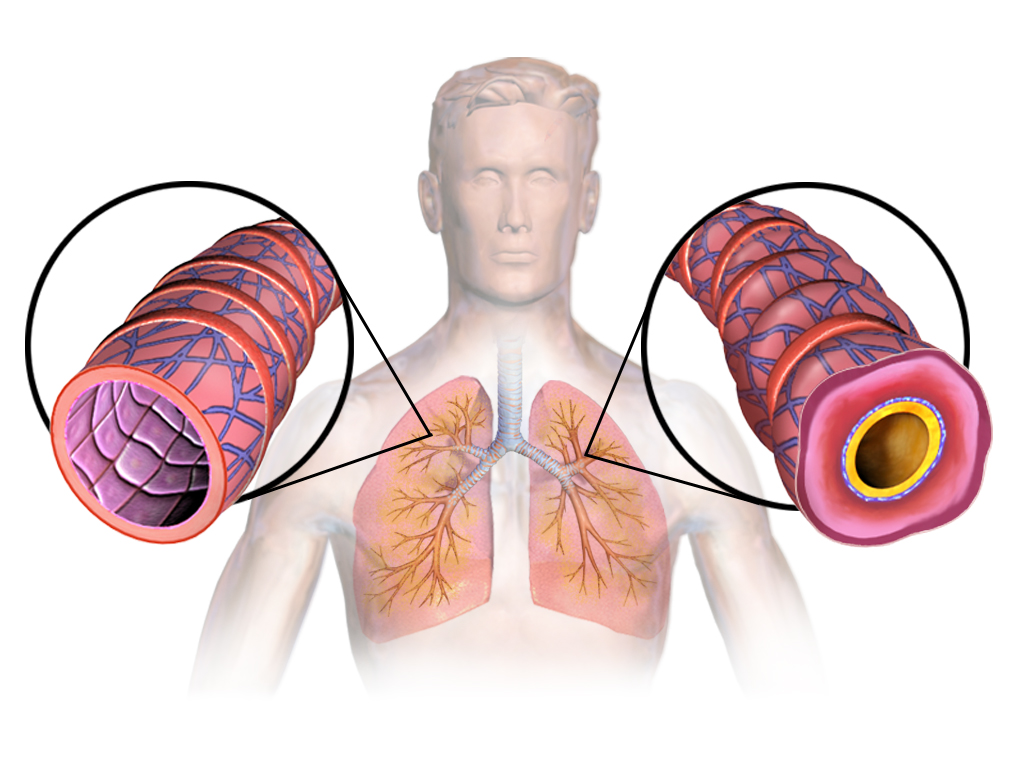
At its core, asthma involves a chronic inflammation of the bronchial tubes, the passageways that carry air to and from the lungs. When an individual with asthma encounters a trigger – be it an allergen like pollen, a respiratory infection, or even cold air – the immune system overreacts. This triggers a cascade of events: the muscles surrounding the airways constrict (bronchospasm), the lining of the airways swells, and excess mucus is produced. These three factors – inflammation, bronchospasm, and mucus hypersecretion – narrow the airways, making it difficult for air to pass through, leading to the characteristic symptoms of wheezing, coughing, and shortness of breath. The severity and duration of these episodes can vary dramatically from person to person and even from day to day.
📊 Key Facts & Numbers
Globally, asthma mortality rates vary significantly. The economic cost of asthma in the U.S. is estimated to be over $50 billion per year, encompassing direct medical costs and indirect costs like lost productivity.
👥 Key People & Organizations
Pioneering figures in asthma research include Sir John Floyer, an English physician who meticulously documented his own asthma in the late 17th century, and Paul Beir, who significantly advanced understanding of airway hyperresponsiveness in the late 20th century. Key organizations driving research and advocacy include the Global Initiative for Asthma (GINA), which sets international guidelines for asthma management, and national bodies like the Asthma and Allergy Foundation of America (AAFA). Pharmaceutical giants such as GlaxoSmithKline and AstraZeneca are major players in developing and distributing asthma medications, including inhaled corticosteroids and long-acting beta-agonists.
🌍 Cultural Impact & Influence
Asthma's impact extends beyond the purely medical. It has become a significant public health concern, influencing urban planning and environmental policy due to the role of air pollution as a trigger. The lived experience of asthma has been depicted in literature and film, often highlighting the fear and limitations associated with severe exacerbations, but also the resilience of those managing the condition. The development of effective inhaler devices, like the metered-dose inhaler (MDI) and the dry powder inhaler (DPI), has become a minor cultural touchstone, representing a tangible tool for managing a chronic illness. Advocacy groups have also played a crucial role in raising awareness and reducing stigma associated with the disease.
⚡ Current State & Latest Developments
Current research is intensely focused on personalized medicine, aiming to tailor treatments based on an individual's specific asthma phenotype and endotype. Advances in biological therapies, such as monoclonal antibodies targeting specific inflammatory pathways (e.g., omalizumab for allergic asthma, benralizumab for eosinophilic asthma), represent a significant leap forward, offering targeted relief for severe cases. The World Health Organization (WHO) continues to advocate for improved access to essential asthma medicines and diagnostics, particularly in low- and middle-income countries. Furthermore, wearable technology and digital health platforms are emerging as tools for remote monitoring of asthma control and adherence to treatment plans, exemplified by apps developed by companies like Propeller Health.
🤔 Controversies & Debates
A persistent debate revolves around the 'hygiene hypothesis,' which suggests that reduced exposure to microbes in early childhood may lead to an overactive immune system and increased risk of allergic diseases like asthma. While widely discussed, the exact mechanisms and applicability remain subjects of ongoing research and contention among immunologists. Another area of controversy involves the optimal use and potential overuse of short-acting beta-agonists (SABAs) as rescue inhalers; while essential for acute relief, over-reliance can mask underlying inflammation and potentially lead to worse outcomes, a point emphasized by GINA guidelines. The role of specific environmental factors, such as indoor allergens like dust mites and mold, versus outdoor air pollution in triggering asthma exacerbations also sparks debate among public health officials and environmental scientists.
🔮 Future Outlook & Predictions
The future of asthma management likely lies in even more precise phenotyping and endotyping, leading to highly personalized therapeutic strategies. Gene editing technologies and advanced immunotherapies hold promise for potentially altering the course of the disease, moving beyond symptom management towards disease modification or even prevention. Researchers are exploring novel drug delivery systems, including inhalers with integrated sensors and smart devices that can track usage and environmental triggers, potentially integrated with AI-driven predictive analytics. The development of vaccines or immunomodulatory treatments aimed at preventing asthma development in high-risk individuals, particularly children with a strong family history of allergies, is also a long-term goal for organizations like the National Institute of Allergy and Infectious Diseases (NIAID).
💡 Practical Applications
Asthma management hinges on a multi-pronged approach. The cornerstone is the use of inhaled medications: bronchodilators to open airways quickly during an attack (e.g., albuterol) and inhaled corticosteroids (ICS) to reduce airway inflammation long-term (e.g., fluticasone propionate). Trigger avoidance is also critical; this can involve identifying and minimizing exposure to allergens like pet dander, cockroach allergens, and indoor mold, as well as avoiding irritants like cigarette smoke and strong perfumes. Asthma action plans, developed collaboratively by patients and healthcare providers, provide clear instructions on daily management and how to respond to worsening symptoms. For severe cases, advanced treatments like biologic therapies target specific inflammatory pathways.
Key Facts
- Category
- science
- Type
- topic