
Contents
Overview
The story of black pepper begins in the humid rainforests of the Western Ghats in India. Mentions of black pepper appear in ancient Sanskrit texts. Its journey to global prominence was propelled by its role as a vital commodity in the spice trade routes that connected the East with the West. Roman merchants, captivated by its pungent aroma and flavor, imported vast quantities, driving its value to astronomical heights. The quest for control over this precious spice fueled exploration, leading figures like Vasco da Gama to seek direct sea routes to India, bypassing established land-based monopolies controlled by entities like the Venetian Republic. By the Middle Ages, pepper was so valuable it was used as currency, a testament to its economic and cultural significance.
⚙️ How It Works
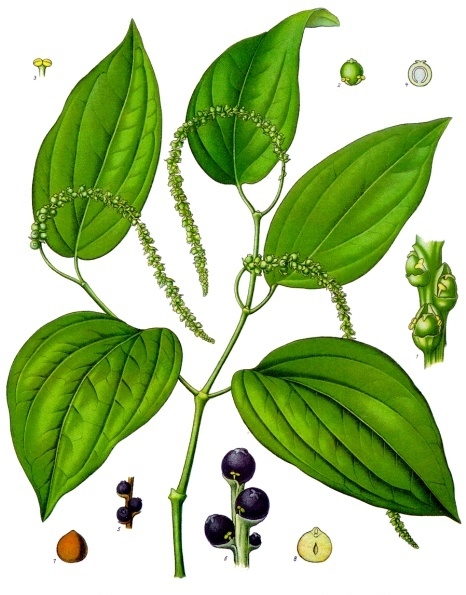
Black pepper is the dried fruit of the Piper nigrum vine, a woody climber that thrives in tropical climates with high humidity and rainfall. The peppercorns are harvested when they are still green and then typically dried in the sun. This drying process causes the outer skin to darken and wrinkle, transforming the fresh berry into the familiar black peppercorn. The characteristic pungency and aroma are primarily due to the alkaloid piperine, which stimulates heat receptors in the mouth. Green pepper is made from unripe fruit that is freeze-dried or treated with chemicals to preserve its color, while white pepper is derived from the inner seed of the fully ripe fruit, stripped of its outer skin. The specific drying and processing methods significantly influence the final flavor profile and aroma of the spice.
📊 Key Facts & Numbers
Globally, black pepper production is substantial. Vietnam leads global production, accounting for approximately 35% of the world's supply, followed by countries like Brazil, Indonesia, India, and Malaysia. The global black pepper market was valued at approximately USD 4.5 billion in 2023 and is projected to grow steadily. Historically, pepper was so valuable that it was sometimes referred to as 'black gold,' and in the 16th century, a pound of pepper could cost as much as a sheep. The average price of black pepper fluctuates, but it consistently remains one of the most consumed spices, with per capita consumption in some Western countries exceeding 100 grams per year.
👥 Key People & Organizations
While no single individual 'invented' black pepper, its global dissemination and economic impact are tied to numerous historical figures and trading powers. Ancient Indian traders and navigators were instrumental in its initial spread. Later, figures like Vasco da Gama and Christopher Columbus played pivotal roles in establishing new trade routes that dramatically increased the availability of pepper in Europe. Organizations like the Dutch East India Company and the British East India Company wielded immense power in controlling pepper production and trade for centuries, shaping global economics. Today, major spice conglomerates like McCormick & Company and Adler Villers are key players in the global pepper market, ensuring its widespread availability.
🌍 Cultural Impact & Influence
Black pepper's influence extends far beyond the kitchen. Its historical demand fueled the Age of Exploration, fundamentally altering global trade and power dynamics. In culinary arts, it's a foundational element in countless cuisines, from the robust flavors of European stews to the complex spice blends of Indian curries. Its use as a preservative and traditional medicine in ancient cultures predates its culinary fame, with texts from Ayurveda detailing its medicinal properties. The very concept of 'spicy' in Western palates is often first introduced by pepper, shaping taste preferences from childhood. Its economic importance has also led to its inclusion in various economic indices and trade agreements, underscoring its persistent relevance.
⚡ Current State & Latest Developments
The current black pepper market is characterized by dynamic supply chains and evolving consumer preferences. Vietnam continues to dominate production, but climate change poses significant challenges to yields, leading to price volatility. There's a growing demand for specialty peppers, including single-origin varieties and organic certifications, driven by consumers seeking unique flavors and ethical sourcing. Innovations in cultivation techniques, such as vertical farming and improved pest resistance, are being explored to ensure future supply. Furthermore, research into piperine's health benefits, including its antioxidant and anti-inflammatory properties, continues to garner scientific interest, potentially opening new avenues for its application beyond culinary uses.
🤔 Controversies & Debates
The primary controversy surrounding black pepper often centers on its historical trade practices, particularly the exploitative monopolies established by colonial powers like the Dutch East India Company and the British East India Company. These entities often forced local farmers into unfavorable contracts, suppressing wages and controlling prices for immense profit. Another debate revolves around the authenticity and purity of pepper products, with concerns about adulteration and mislabeling in the global market. The environmental impact of large-scale pepper cultivation, including deforestation and water usage, also sparks discussion among sustainability advocates. The distinct flavor profiles of different pepper varieties, such as cubeb pepper versus common black pepper, also lead to ongoing culinary debates about their proper usage.
🔮 Future Outlook & Predictions
The future of black pepper appears to be one of adaptation and diversification. As climate change impacts traditional growing regions, expect increased investment in climate-resilient farming methods and the exploration of new cultivation areas. The demand for high-value, specialty pepper varieties is likely to surge, creating opportunities for niche producers and single-origin markets. Research into piperine's pharmacological potential could lead to new applications in pharmaceuticals and nutraceuticals, further diversifying its economic base. The ongoing push for sustainable and ethical sourcing will also shape production practices, potentially leading to greater transparency in the supply chain and increased consumer trust. The market is poised for continued growth, driven by both culinary demand and emerging health applications.
💡 Practical Applications
Black pepper's applications are remarkably diverse. Its most obvious use is as a ubiquitous culinary seasoning, enhancing the flavor of countless dishes, from simple scrambled eggs to complex gourmet meals. Beyond the kitchen, piperine, the active compound in black pepper, is studied for its bioavailability-enhancing properties, meaning it can increase the absorption of other nutrients and medications. This has led to its inclusion in some nutraceutical supplements. Historically, it was used in traditional medicine systems like Ayurveda for digestive issues and as an expectorant. Its pungent aroma also finds use in some aromatherapy applications, believed to stimulate the senses and improve focus. The spice is also a key component in various spice blends, such as garam masala and curry powder.
Key Facts
- Category
- nature
- Type
- topic