
Contents
Overview
The origins of Boom trace back to the Old Dutch word 'boom,' meaning 'tree,' reflecting its early settlement in a forested area. However, its modern identity was forged in the crucible of the Industrial Revolution. By the 19th century, Boom had become a significant center for brick manufacturing, leveraging the rich clay deposits along the Rupel river. Companies like Pottelberghe Brickworks and Wienerberger AG established large-scale operations, shaping the town's landscape with kilns and factories. The chemical industry also played a crucial role, with Solvay S.A. operating a major plant, contributing to both economic prosperity and environmental challenges. This industrial heritage is a foundational element of Boom's narrative, preceding its more recent global fame.
⚙️ How It Works
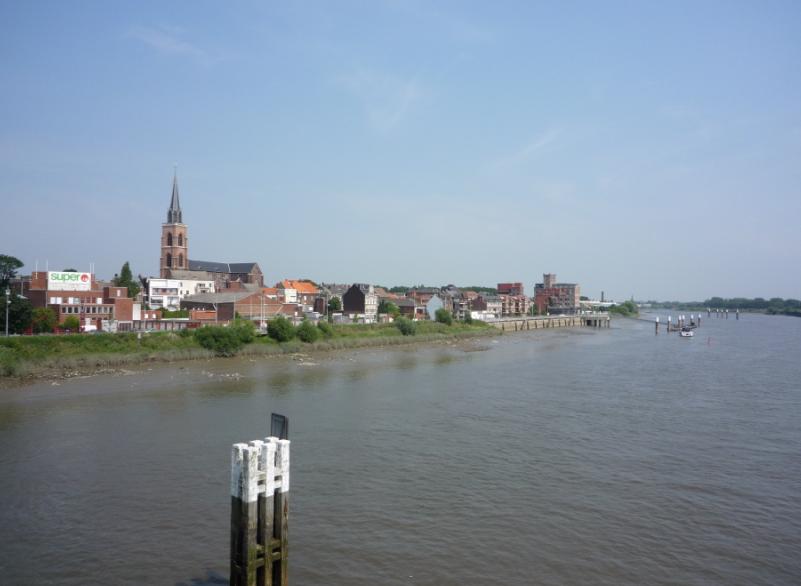
Boom functions as a typical Belgian municipality, governed by a local council and mayor responsible for public services, urban planning, and local administration. Its infrastructure supports a residential population and a significant influx of visitors during major events. The town's layout is characterized by a mix of historical industrial architecture, residential areas, and green spaces. The Rupel river remains a central geographical feature, influencing transportation and recreation. The organization and management of large-scale events like Tomorrowland involve extensive collaboration between the municipality, event organizers, and local stakeholders to handle logistics, security, and public order for hundreds of thousands of attendees annually.
📊 Key Facts & Numbers
As of 2021, Boom had a total population of approximately 18,800 residents. The municipality covers an area of 7.37 square kilometers (2.85 sq mi), resulting in a population density of approximately 2,550 people per square kilometer. The economic impact of Tomorrowland is substantial; the festival, which typically spans two weekends in July, attracts over 400,000 attendees. In 2019, the festival generated an estimated €250 million in economic activity for the region. The average household income in Boom is comparable to the Flemish average, but the festival significantly boosts local businesses through tourism and temporary employment.
👥 Key People & Organizations
While Boom is a municipality with elected officials, its global recognition is largely tied to the organizers of Tomorrowland. The festival is produced by ID&T Group, a subsidiary of SFX Entertainment, and its founders, Manu Beers and Michiel Beers, are key figures. The municipal government, led by its mayor, plays a critical role in facilitating and regulating the event. Historically, prominent figures in the brick and chemical industries, such as Ernest Solvay (founder of Solvay S.A.), were instrumental in shaping the town's industrial past, though their direct connection to modern Boom is historical.
🌍 Cultural Impact & Influence
The most profound cultural impact on Boom has been its transformation into the 'home of Tomorrowland.' This annual event has placed the small Belgian town on the global map for electronic dance music enthusiasts, attracting a diverse international crowd. The festival's success has led to significant economic benefits through tourism, hospitality, and local services, though it also brings challenges related to traffic, noise, and environmental impact. Beyond the festival, Boom's industrial past is memorialized in local heritage sites and museums, offering a counterpoint to its contemporary identity as a global entertainment hub. The town's identity is now a duality of its working-class industrial roots and its status as a temporary global village each summer.
⚡ Current State & Latest Developments
Boom continues to host the Tomorrowland festival annually, typically in July. The event's scale and global reach remain its defining feature in the current landscape. Local development initiatives often focus on managing the impact of the festival and enhancing the town's infrastructure to accommodate the influx of visitors. Discussions are ongoing regarding the long-term sustainability of the festival and its relationship with the local community. The municipality is also exploring ways to leverage its industrial heritage for tourism, potentially creating new attractions or revitalizing historical sites.
🤔 Controversies & Debates
The primary controversies surrounding Boom are directly linked to the Tomorrowland festival. These include debates over the environmental impact of such a large-scale event, including waste generation and noise pollution affecting local residents. Traffic congestion during the festival is another significant concern. Furthermore, there are ongoing discussions about the economic benefits distribution – whether they adequately compensate for the disruption to local life. Some residents express concerns about the 'over-tourism' phenomenon and its effect on the town's character, while others champion the economic opportunities and international prestige the festival brings. The scale of the event also raises questions about public safety and emergency preparedness.
🔮 Future Outlook & Predictions
The future of Boom appears intrinsically linked to the continued success and evolution of Tomorrowland. Predictions suggest the festival will likely remain a dominant force, potentially expanding its offerings or incorporating more sustainable practices to address environmental concerns. There is also potential for Boom to further develop its identity as a cultural destination, perhaps by more actively promoting its industrial heritage alongside its music festival fame. The municipality may face increasing pressure to balance the economic advantages of the festival with the quality of life for its permanent residents, potentially leading to stricter regulations or community-driven initiatives. The long-term impact on local infrastructure and urban development will also be a key consideration.
💡 Practical Applications
The most significant practical application of Boom's current identity is its role as the host venue for Tomorrowland. This involves extensive logistical planning, crowd management, and infrastructure deployment. Beyond the festival, Boom's industrial past offers practical insights into historical manufacturing processes, particularly in brick-making and chemical production, which can be studied by industrial historians and urban planners. The town's proximity to Antwerp also makes it a practical residential location for commuters working in the larger metropolitan area, benefiting from its transport links and relatively lower housing costs compared to the city center.
Key Facts
- Category
- places
- Type
- place