
Contents
Overview
The Capitol Building is more than just a structure; it's a potent symbol of democratic governance, housing the legislative branches of many nations. Its iconic dome, often visible from afar, signifies the presence of governmental authority and public discourse. Historically, these buildings have been sites of both profound deliberation and intense political struggle, reflecting the evolving nature of power and representation. Understanding the Capitol Building involves appreciating its architectural grandeur, its historical significance as a stage for pivotal moments, and its ongoing role as the physical embodiment of a nation's legislative will. Its design often incorporates symbolic elements intended to convey ideals of freedom, justice, and unity.
🏛️ The U.S. Capitol: An Overview
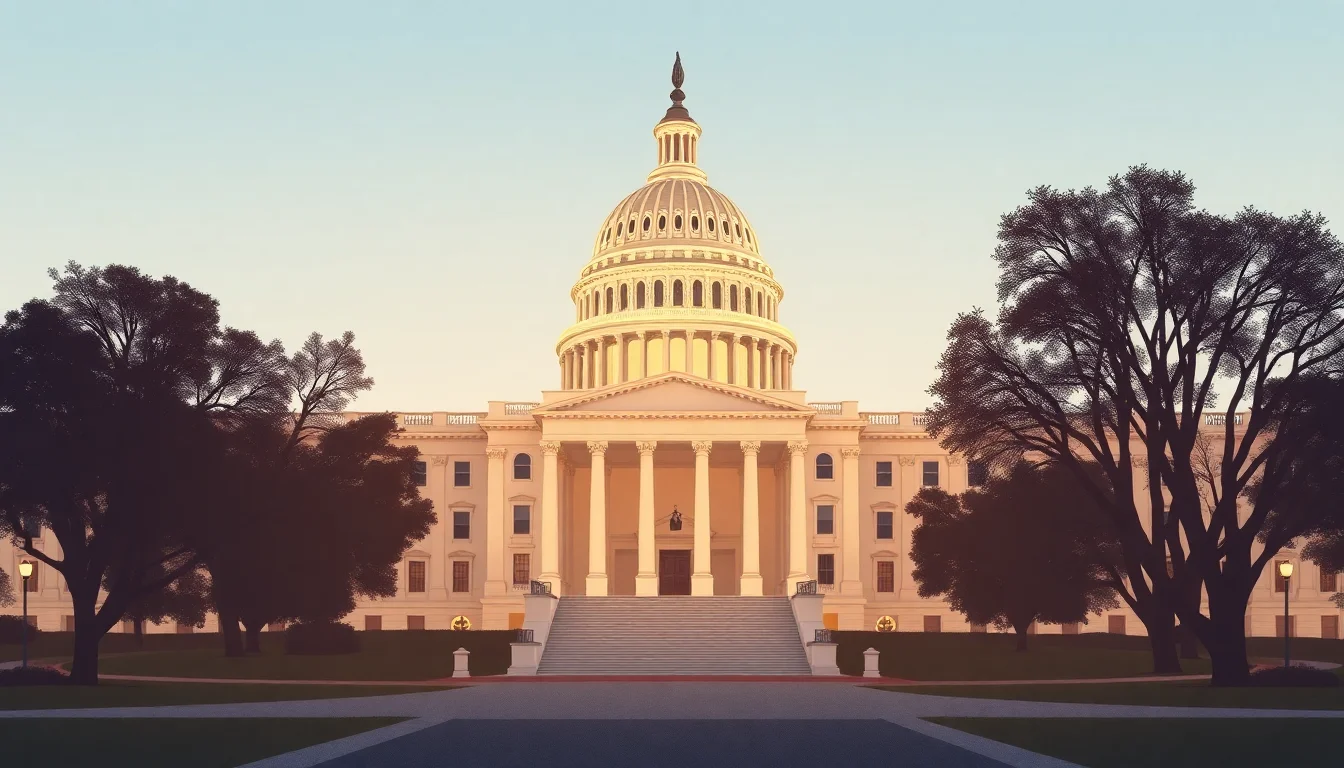
The U.S. Capitol in Washington, D.C. is more than just a government building; it's a potent symbol of American democracy and a masterpiece of neoclassical architecture. Home to the United States Congress, it houses the Senate and the House of Representatives. Its iconic dome has graced countless images, representing the nation's legislative heart. For anyone interested in American history, civics, or architectural marvels, a visit offers a profound connection to the nation's past and present.
📍 Location & Access
You'll find the Capitol at the eastern end of the National Mall in Washington, D.C., at East Capitol Street NE & First Street SE. Public access is primarily through the Capitol Visitor Center, a subterranean complex designed to enhance security and visitor experience. Navigating to it is straightforward via Washington Metro (Capitol South or Federal Center SW stations are closest) or ride-sharing services. Be prepared for security screenings, similar to airport procedures, before entering the grounds.
⏰ Visiting Hours & Tours
The Capitol Building itself is generally open to the public from 9:00 AM to 4:30 PM, Monday through Saturday, excluding federal holidays and Thanksgiving Day. Guided tours, which are highly recommended, depart from the Capitol Visitor Center every 15 minutes from 9:00 AM to 3:30 PM. These tours offer insights into the building's history, art, and function. Booking tours in advance through your congressional representative or the official Capitol Visitor Center website is strongly advised, especially during peak seasons.
💰 Admission & Fees
Admission to the U.S. Capitol Building and the Capitol Visitor Center is free for all visitors. While there are no ticket prices, tours are often booked solid, so advance reservations are crucial. Special arrangements can sometimes be made for groups or for those with specific accessibility needs. The only "cost" is your time and patience with security protocols, which are in place to protect this vital national landmark.
⭐ What Visitors Say
Visitor feedback consistently highlights the awe-inspiring architecture and the educational value of the guided tours. Many praise the Capitol Visitor Center for its informative exhibits and amenities. Common sentiments include feeling a sense of national pride and a deeper understanding of the legislative process. Some reviews mention the extensive security checks as a minor inconvenience, but overwhelmingly, visitors find the experience enriching and memorable.
⚖️ Architectural Significance
Designed by William Thornton, the Capitol's architecture is a prime example of American neoclassical style, drawing inspiration from classical Greek and Roman structures. Its most striking feature is the Dome of the United States Capitol, a cast-iron marvel completed in 1863, which stands 288 feet tall. The building's Rotunda, adorned with The Apotheosis of Washington fresco, and the Statuary Hall are particularly notable spaces, each rich with history and artistic significance.
🏛️ Beyond the Dome: Other Capitols
While the U.S. Capitol is the most globally recognized, the term "capitol" refers to the principal building of a state legislature or government. For instance, the California State Capitol in Sacramento and the Texas State Capitol in Austin are significant structures in their own right, often mirroring the neoclassical style of their federal counterpart. Each state capitol building possesses unique architectural features and houses its respective legislative bodies, offering a glimpse into regional governance and history.
💡 Practical Tips for Your Visit
To make the most of your visit, book your tour well in advance, especially if you're traveling during spring break or summer. Arrive at the Capitol Visitor Center at least 30 minutes before your scheduled tour time to allow for security screening. Wear comfortable shoes, as you'll be doing a fair amount of walking. Photography is generally permitted, but be mindful of restrictions in certain areas. Consider visiting during a congressional session for a chance to witness government in action.
📞 Getting Started & Contact
To book a tour or inquire about visiting the U.S. Capitol, the best first step is to visit the official Capitol Visitor Center website. You can also contact your U.S. Representative or U.S. Senator's office to arrange a tour. For general inquiries, the Capitol Visitor Center information line can be reached at (202) 226-8000. Planning ahead ensures a smoother and more rewarding experience at this iconic American landmark.
Key Facts
- Year
- Varies (e.g., U.S. Capitol cornerstone laid 1792)
- Origin
- Ancient Roman Temples (temple of Jupiter Optimus Maximus)
- Category
- Government & Architecture
- Type
- Landmark
Frequently Asked Questions
Can I visit the U.S. Capitol without a tour?
While general access is available through the Capitol Visitor Center, a guided tour is the primary way to see the interior of the Capitol Building. Tours offer access to key areas like the Rotunda and Statuary Hall. It's highly recommended to book these tours in advance, as walk-up availability can be limited. Without a tour, you can explore the exhibits within the Visitor Center itself.
What is the best way to get to the Capitol?
The most convenient public transportation option is the Washington Metro. The Capitol South and Federal Center SW stations on the Orange, Silver, and Blue lines are within walking distance. Ride-sharing services are also a practical choice, with designated drop-off points near the Capitol Visitor Center. Driving and parking in the immediate vicinity can be challenging and expensive.
Are there any restrictions on what I can bring inside?
Yes, there are strict security measures. Prohibited items include weapons, sharp objects, aerosols, and large bags or backpacks. Food and drinks are generally not allowed inside the Capitol Building itself, though they may be permitted in designated areas of the Visitor Center. It's best to check the official Capitol Visitor Center website for the most up-to-date list of prohibited items before your visit.
How long does a typical Capitol tour last?
A standard guided tour of the U.S. Capitol Building typically lasts between 45 minutes to an hour. This timeframe allows for a comprehensive overview of the building's history, architecture, and legislative functions. Tours depart frequently from the Capitol Visitor Center, so your total visit duration will depend on your arrival time and any time spent exploring the Visitor Center's exhibits.
Can I see Congress in session during my visit?
It is possible to observe sessions of the House of Representatives and the Senate when Congress is in session. Access to the House and Senate galleries requires a gallery pass, which can often be obtained from the offices of your congressional representatives. Check the daily schedule for session times, as they can vary. Observing a session provides a dynamic view of the legislative process.
What is the difference between the Capitol and the Capitol Visitor Center?
The Capitol Building is the historic structure housing the chambers of Congress. The Capitol Visitor Center is a modern, underground facility located beneath the East Front plaza. It serves as the main public entrance, security screening point, and houses educational exhibits, a theater, gift shops, and dining facilities, enhancing the visitor experience and security.