
Contents
Overview
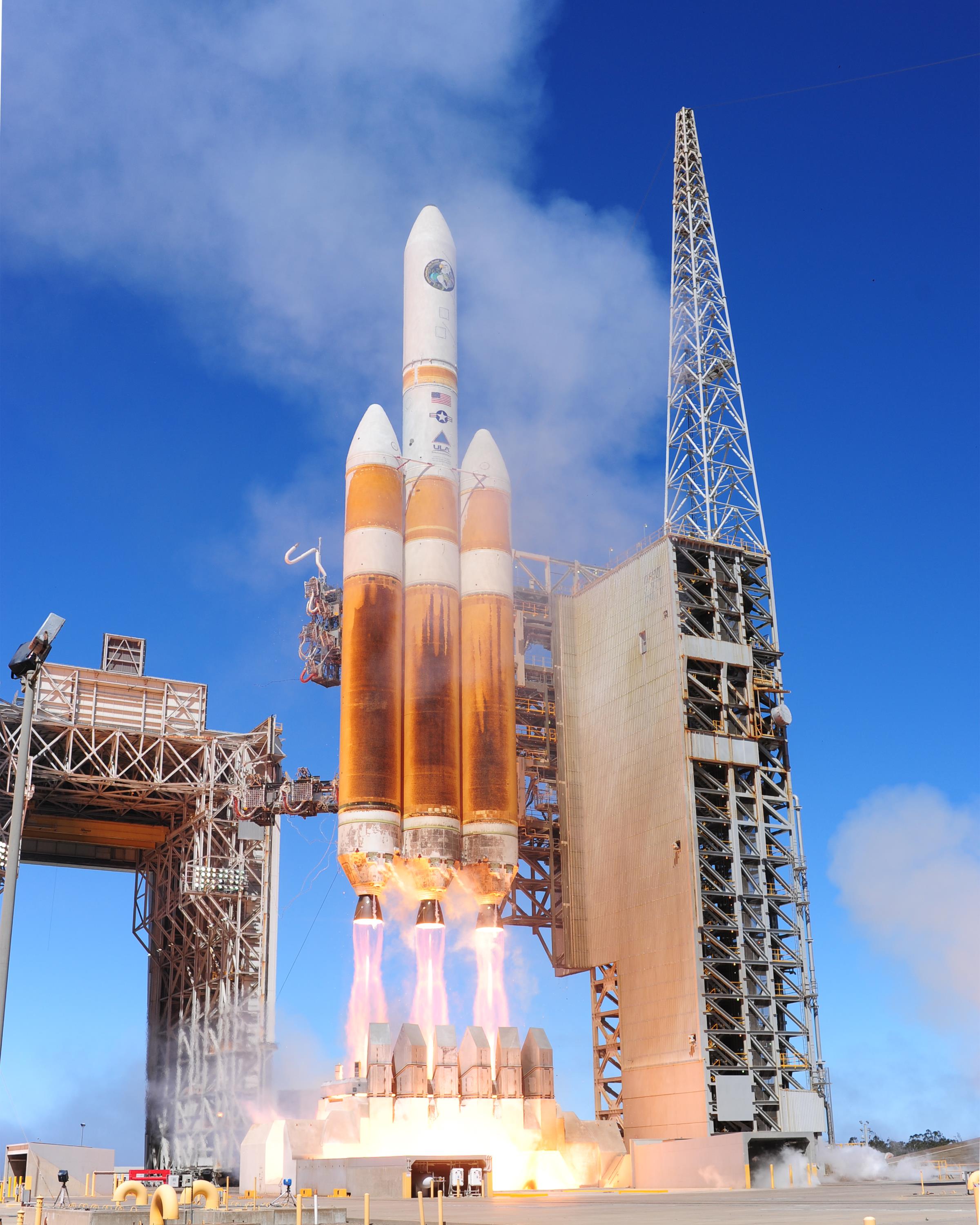
Chemical rockets are reaction engines that generate thrust by expelling a high-speed jet of fluid, known as propellant. This propellant is typically composed of a fuel and an oxidizer that react chemically, releasing a tremendous amount of energy in the form of hot gas. The rapid expansion and expulsion of these gases through a nozzle create the force, or thrust, necessary to propel a vehicle, most famously spacecraft, into and through space. Their immense power density and relative simplicity make them indispensable, though their inherent inefficiency and environmental impact remain subjects of ongoing debate and innovation.
🎵 Origins & History
The genesis of chemical rockets can be traced back to ancient China, where gunpowder, a mixture of charcoal, sulfur, and potassium nitrate, was first used for fireworks and rudimentary weapons around the 9th century. These early applications, while not designed for spaceflight, demonstrated the fundamental principle of reaction propulsion. The military potential of rockets was recognized centuries later, with figures like Shih Hung-chang in China and later European innovators like Conrad Haase and William Congreve developing more sophisticated gunpowder rockets for warfare in the 17th and 19th centuries.
⚙️ How It Works
At its core, a chemical rocket operates on Newton's third law of motion: for every action, there is an equal and opposite reaction. The engine consists of a combustion chamber where a fuel and an oxidizer are mixed and ignited. This combustion produces extremely hot, high-pressure gas. This gas is then forced through a precisely shaped nozzle, typically a de Laval nozzle, which accelerates it to supersonic speeds. As the gas is expelled backward at high velocity, it generates an equal and opposite force pushing the rocket forward—this is thrust. The propellants can be solid, where fuel and oxidizer are pre-mixed in a solid grain, or liquid, where fuel and oxidizer are stored in separate tanks and pumped into the combustion chamber. Hypergolic propellants, a subset of liquid propellants, ignite spontaneously upon contact, simplifying engine design but often posing greater handling risks. The specific impulse (Isp), a measure of propellant efficiency, is a critical performance metric, indicating how much thrust is generated per unit of propellant consumed over time.
📊 Key Facts & Numbers
The sheer power of chemical rockets is staggering. Organizations like NASA, the European Space Agency (ESA), and Roscosmos (formerly the Soviet space program) have been the primary governmental entities driving large-scale chemical rocket development.
👥 Key People & Organizations
The development of chemical rockets is inextricably linked to a pantheon of visionary scientists and engineers. Organizations like NASA, the European Space Agency (ESA), and Roscosmos (formerly the Soviet space program) have been the primary governmental entities driving large-scale chemical rocket development.
🌍 Cultural Impact & Influence
Chemical rockets have profoundly shaped human culture and our perception of the cosmos. They are the iconic symbol of space exploration, appearing in countless films, books, and artworks. The Space Race between the United States and the Soviet Union during the Cold War, fueled by rocket technology, captivated global attention and spurred immense technological advancement. The ability to send probes to distant planets and deploy satellites for communication and observation has fundamentally altered global connectivity and scientific understanding. The very idea of humanity venturing beyond Earth is inextricably tied to the image of a powerful chemical rocket blasting off, representing ambition, progress, and the human drive to explore the unknown. The cultural 'vibe' score for chemical rockets, reflecting their enduring awe and inspiration, hovers around 90/100.
⚡ Current State & Latest Developments
The chemical rocket industry is in a state of dynamic evolution. Companies are investing heavily in advanced manufacturing techniques, such as 3D printing, to reduce component costs and production times. New propellant combinations are being explored to improve performance and reduce environmental impact, including methane-based fuels like methalox for their cleaner burn and potential.
🤔 Controversies & Debates
Despite their success, chemical rockets are not without significant controversy. The primary concern is their environmental impact. Burning large quantities of rocket fuel releases greenhouse gases, ozone-depleting substances (like chlorine from solid rocket boosters), and soot into the atmosphere, particularly in the upper layers where they can persist. The long-term effects of increasing launch frequency on the stratospheric ozone layer are a subject of ongoing scientific research and debate. Furthermore, the development and testing of powerful rockets, especially during the Cold War, involved significant risks, including catastrophic failures like the Challenger disaster in 1986 and the Columbia disaster in 2003, which resulted in the loss of life. The sheer destructive potential of rocket technology, stemming from its military origins, also raises ethical questions about its dual-use nature and the proliferation of space-faring capabilities.
🔮 Future Outlook & Predictions
The future of chemical rockets is likely to be defined by increased efficiency, sustainability, and accessibility. Reusability will become the norm, not the exception, with companies aiming for rapid turnaround times and lower operational costs. Advanced materials and manufacturing will enable lighter, stronger structures and more robust engine components. The development of fully reusable super heavy-lift vehicles, like SpaceX's Starship, promises to revolutionize access to space, potentially ena
💡 Practical Applications
Chemical rockets are the workhorses of space exploration, enabling a vast array of practical applications. They are essential for launching satellites into orbit, which power global communication networks, weather forecasting, GPS navigation, and scientific research. Rockets are also used to send probes to other planets and celestial bodies, expanding our understanding of the solar system and the universe. Furthermore, they are crucial for deploying and servicing space telescopes and space stations, facilitating human presence and scientific endeavors beyond Earth. The development of reusable rocket technology is also making space more accessible for commercial ventures, including space tourism and resource utilization.
Key Facts
- Category
- technology
- Type
- topic