
Contents
- ⚡ What is the Electric Grid?
- 🗺️ Scale and Scope: From Microgrids to Super Grids
- ⚙️ How It Works: The Journey of Electricity
- 💡 Key Components: The Building Blocks of Power
- 📈 Historical Evolution: From Edison to the Smart Grid
- 🌍 Global Reach: Interconnected Networks Worldwide
- ⚡ Challenges and Controversies: The Grid's Weaknesses
- 🚀 The Future of the Grid: Modernization and Resilience
- 💰 Cost and Investment: Powering Progress
- ⭐ Reliability and Outages: When the Lights Go Out
- 🔌 Your Role: Energy Consumers and the Grid
- 🔗 Related Infrastructure & Energy Topics
- Frequently Asked Questions
- Related Topics
Overview
The electric grid is the intricate network of power generation, transmission, and distribution systems that delivers electricity to homes, businesses, and industries worldwide. Historically a marvel of engineering, its current iteration faces immense pressure from aging infrastructure, increasing demand, and the urgent need to decarbonize. Understanding the grid's complexities, from the physics of alternating current (AC) pioneered by Nikola Tesla to the challenges of integrating intermittent renewables like solar and wind, is crucial for navigating the energy transition. Debates rage over grid modernization, the role of distributed energy resources, and the potential for blackouts versus a resilient, sustainable future.
⚡ What is the Electric Grid?
The electric grid is the intricate, interconnected network that delivers electricity from where it's generated to where it's consumed. Think of it as the circulatory system of modern society, silently powering everything from your morning coffee maker to the servers that host the internet. It’s not a single entity but a complex system comprising power plants, transmission lines, substations, and distribution networks. Understanding the grid is crucial for grasping the fundamentals of our energy-dependent world and the challenges of transitioning to cleaner sources.
🗺️ Scale and Scope: From Microgrids to Super Grids
The electric grid isn't monolithic; it exists on a spectrum of scales. At the smallest end are localized power systems that can operate independently or connect to the larger grid, offering enhanced resilience. Then come the vast continental networks that synchronize power flow across huge geographical areas, like the Eastern Interconnection in North America. Pushing the boundaries further are ambitious transnational networks designed to connect renewable energy sources across continents, promising greater efficiency and stability. Each scale presents unique engineering and operational challenges, impacting national energy security.
⚙️ How It Works: The Journey of Electricity
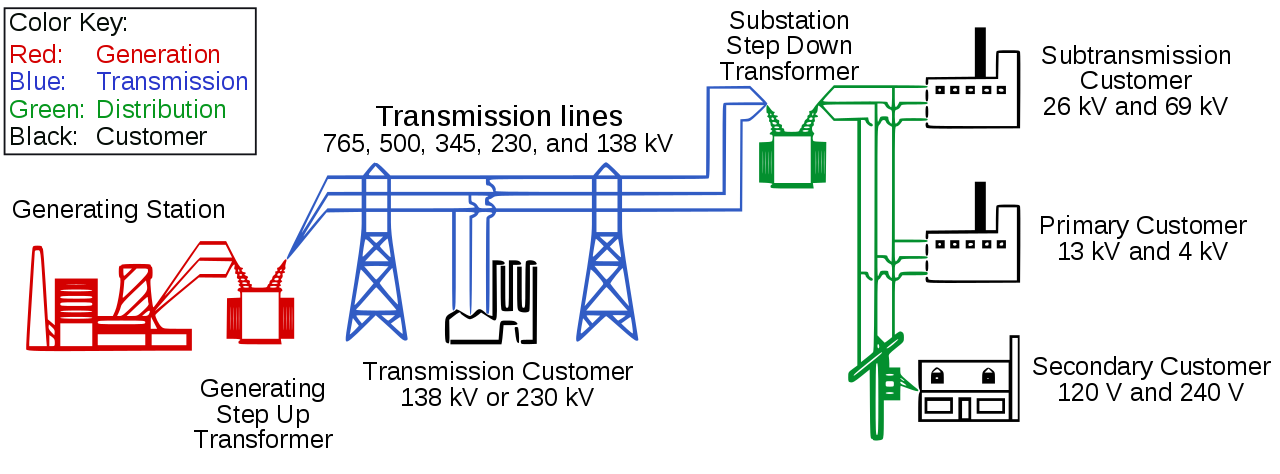
The journey of electricity from generation to your outlet is a marvel of engineering. Power generated at electricity generation facilities, often located near fuel sources or renewable sites, is stepped up to extremely high voltages for efficient long-distance transmission via power lines. Along the way, grid nodes reduce the voltage in stages. Finally, at the local level, distribution networks deliver power at the specific voltage required by homes and businesses. This entire process is a delicate balancing act, requiring constant monitoring of electricity demand.
💡 Key Components: The Building Blocks of Power
The grid is composed of several critical components. Generation facilities are the origin points, housing turbines driven by fossil fuels, nuclear reactions, or renewable sources like wind and solar. Grid control points are vital for transforming voltage levels, enabling efficient transmission and safe distribution. The backbone of the system is the high-voltage network that carries electricity across vast distances, while the local networks bring power directly to end-users. Each component is essential for the grid's overall functionality and grid reliability.
📈 Historical Evolution: From Edison to the Smart Grid
The electric grid's history is a story of innovation and expansion, mirroring industrial progress. From Thomas Edison's first central power station in New York City in 1882, serving a small area, the grid has grown exponentially. Early grids were often localized, but the need for greater reliability and economies of scale drove interconnections. The 20th century saw the development of massive national and continental grids. Now, the concept of the modernized grid is emerging, integrating digital communication and advanced technologies to improve efficiency and responsiveness.
🌍 Global Reach: Interconnected Networks Worldwide
Globally, electricity grids are increasingly interconnected, forming complex webs of power exchange. While many nations operate their own primary grids, international connections are becoming more common, especially in regions like Europe with its extensive European grid. These connections allow for the sharing of electricity, balancing of supply and demand, and integration of diverse energy sources. However, these interconnections also introduce new vulnerabilities and require sophisticated international grid management protocols. The ambition for global super grids continues to drive these connections.
⚡ Challenges and Controversies: The Grid's Weaknesses
Despite its essential role, the electric grid faces significant challenges. outdated infrastructure in many regions is prone to failure and struggles to accommodate the influx of renewable energy sources. cybersecurity threats pose a constant risk to grid stability and national security. The grid's inherent centralized nature makes it vulnerable to widespread power outages from extreme weather events or physical attacks. Debates rage over the pace and cost of grid modernization and the equitable distribution of its benefits and burdens.
🚀 The Future of the Grid: Modernization and Resilience
The future of the electric grid is focused on modernization, resilience, and decarbonization. The transition to renewable energy necessitates a more flexible and dynamic grid capable of handling intermittent sources. Technologies like energy storage systems, advanced grid controls, and distributed energy resources are key. The development of smart grids aims to enhance efficiency, enable two-way communication, and empower consumers. The ultimate goal is a grid that is not only reliable and affordable but also sustainable and secure for generations to come.
💰 Cost and Investment: Powering Progress
The cost of building, maintaining, and upgrading the electric grid is substantial, running into trillions of dollars globally. These investments are funded through a mix of electricity bills, government subsidies, and private capital. The economic implications are vast, affecting everything from industrial competitiveness to household budgets. Debates often center on who bears the cost of modernization, particularly the significant investments required to integrate clean energy technologies and harden the grid against climate change impacts.
⭐ Reliability and Outages: When the Lights Go Out
Reliability is the grid's paramount objective, yet power outages remain a persistent concern. These can range from localized disruptions affecting a few homes to widespread blackouts impacting millions. Causes are varied, including equipment failure, severe weather, and human error. The increasing frequency of extreme weather events due to climate change poses a growing threat to grid stability. Efforts to improve grid resilience focus on hardening infrastructure, implementing advanced monitoring, and developing faster restoration capabilities.
🔌 Your Role: Energy Consumers and the Grid
As consumers, our interaction with the electric grid is often passive, but our choices have a significant impact. Understanding your electricity consumption patterns can lead to more efficient use of energy. Supporting policies that promote grid modernization and renewable energy integration is crucial. Furthermore, adopting energy-saving technologies like smart thermostats and LED lighting not only reduces your bills but also lessens the overall strain on the grid, contributing to its stability and sustainability.
Key Facts
- Year
- 1880
- Origin
- United States (early development)
- Category
- Infrastructure & Energy
- Type
- System
Frequently Asked Questions
What is the difference between transmission and distribution?
Transmission lines carry electricity at very high voltages over long distances from power plants to substations. Distribution lines then carry electricity at lower voltages from substations to individual homes and businesses. Think of transmission as the highway system for electricity and distribution as the local roads.
How does the grid handle fluctuations in renewable energy supply?
This is a major challenge. The grid uses a combination of strategies, including energy storage (like batteries), demand response programs (where consumers reduce usage during peak times), and maintaining backup generation from fossil fuels or other sources. Advanced grid management systems are also crucial for balancing supply and demand in real-time.
What are the biggest threats to the electric grid?
The primary threats include aging infrastructure, extreme weather events (hurricanes, heatwaves, ice storms), cyberattacks targeting control systems, and physical attacks on critical infrastructure. The interconnected nature of the grid means a failure in one area can cascade to others.
What is a 'smart grid' and how is it different from the current grid?
A smart grid integrates digital technology, two-way communication, and advanced sensors into the existing grid. This allows for real-time monitoring, better management of energy flow, faster detection and response to outages, and greater integration of distributed energy resources like rooftop solar. It aims to be more efficient, reliable, and responsive than traditional grids.
How much does it cost to build and maintain the electric grid?
The cost is immense, running into trillions of dollars globally for construction, maintenance, and upgrades. These costs are typically recovered through electricity rates charged to consumers, as well as government investments and subsidies for specific projects, particularly those related to grid modernization and renewable energy.
Can the grid be powered entirely by renewable energy?
Technically, yes, but it's a significant engineering and economic challenge. It requires massive build-outs of renewable generation, advanced energy storage solutions to cover periods of low generation, and a highly flexible and interconnected grid. Many experts believe a grid dominated by renewables is achievable within decades, but it requires sustained investment and policy support.