
Contents
Overview
Early life forms contended with dramatic shifts in atmospheric composition, volcanic activity, and meteorite impacts – extreme environmental stressors that drove evolutionary innovation and extinction events. The formal scientific study of stress, however, gained traction in the mid-20th century, largely through the work of Hans Selye, who pioneered research into physiological stress responses in animals, primarily focusing on the body's reaction to noxious stimuli. His foundational work, though initially focused on internal biological responses, laid the groundwork for understanding how external environmental factors could similarly tax an organism's coping mechanisms. Later, ecologists began to systematically examine how abiotic factors like temperature, salinity, and nutrient availability acted as stressors on populations and communities, leading to the development of ecological stress indices and theories of ecosystem resilience.
⚙️ How It Works
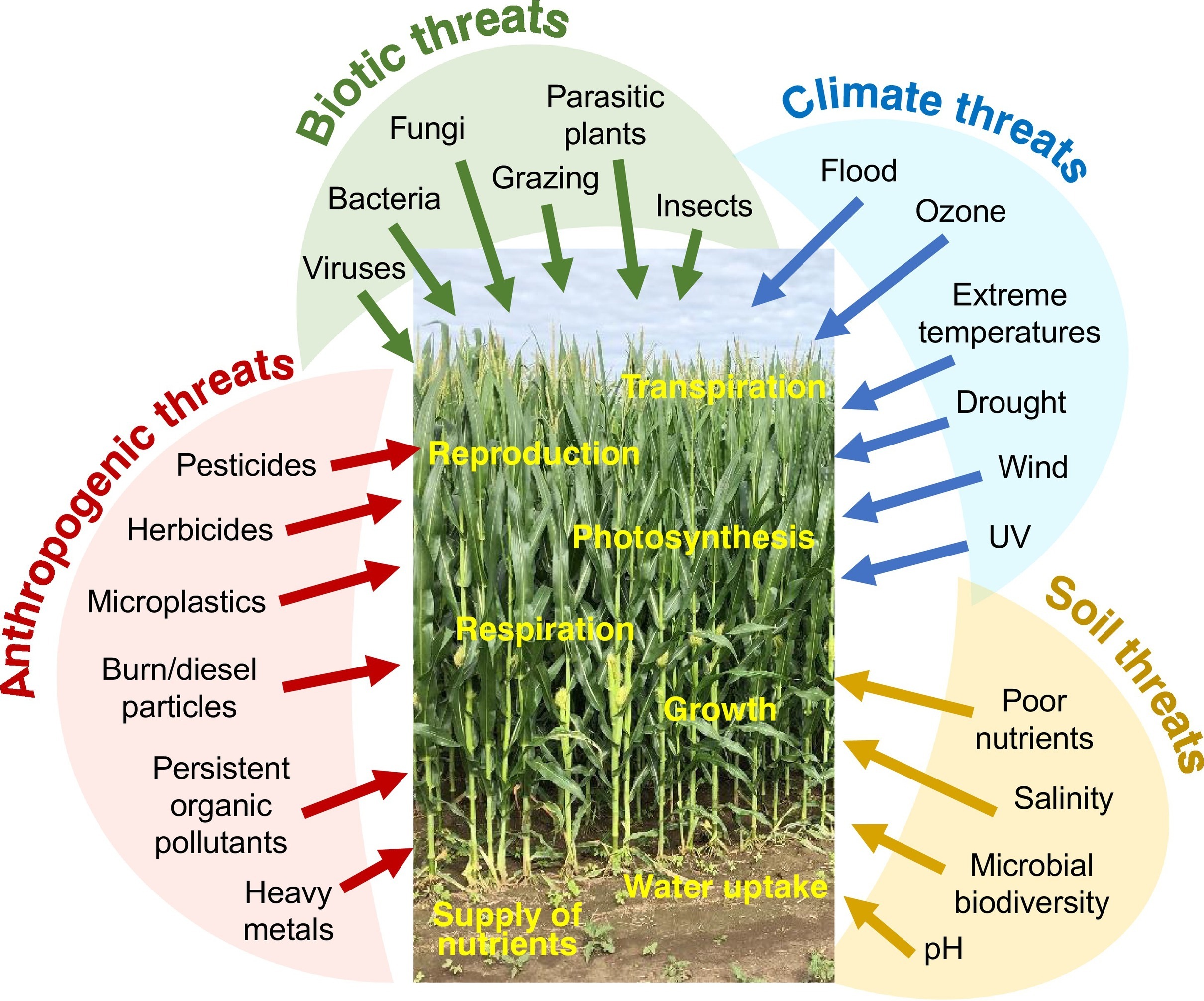
Abiotic stressors, such as extreme temperatures (heatwaves or frosts), drought, floods, high salinity, and altered pH levels, directly impact cellular function and metabolic processes. Biotic stressors, including predation, disease, competition for resources, and the introduction of invasive species, exert pressure through ecological interactions. Anthropogenic stressors, a growing category, encompass habitat destruction, pollution (chemical, noise, light), climate change-induced alterations (e.g., ocean acidification, sea-level rise), and resource overexploitation. Organisms respond via physiological acclimatization, behavioral adjustments, or genetic adaptation over generations. When these responses are insufficient, stress can lead to reduced growth, impaired reproduction, increased susceptibility to disease, and ultimately, mortality, impacting population dynamics and ecosystem stability. The sympathetic nervous system and the HPA axis are key physiological pathways involved in acute stress responses, releasing hormones like adrenaline and cortisol to mobilize energy and alter bodily functions.
📊 Key Facts & Numbers
Pioneering figures like Hans Selye laid the groundwork for understanding stress responses, though his initial focus was physiological rather than purely environmental. Ecologists such as Robert May have extensively studied population dynamics and ecosystem stability under various pressures. Numerous research institutions, including the Woodwell Climate Research Center and the Smithsonian Environmental Research Center, conduct vital fieldwork and modeling to understand and quantify environmental stresses. Conservation organizations like the WWF and The Nature Conservancy work to mitigate these stresses through policy advocacy and on-the-ground conservation efforts.
👥 Key People & Organizations
Ancient myths and religious texts often describe cataclysmic events – floods, famines, plagues – reflecting humanity's long-standing awareness of environmental fragility. The Romantic movement in art and literature, emerging in the late 18th century, often celebrated the sublime power of nature, implicitly acknowledging its capacity for both beauty and destructive force. In the 20th century, the rise of the environmental movement, spurred by works like Rachel Carson's Silent Spring (1962), brought widespread public attention to anthropogenic environmental stressors like pesticide pollution and habitat destruction. This cultural shift has influenced policy, consumer behavior, and the development of fields like sustainability science and eco-criticism in academia.
🌍 Cultural Impact & Influence
A central debate revolves around the precise attribution and tipping points of various environmental stressors. While the scientific consensus on anthropogenic climate change is robust, the exact timing and severity of future impacts, and the precise thresholds beyond which ecosystems may collapse irreversibly (e.g., the tipping points in the climate system), remain subjects of intense research and debate. The effectiveness and equity of proposed solutions, such as carbon pricing, geoengineering, and large-scale conservation initiatives, are also highly contested. Critics of some mitigation strategies argue they may disproportionately burden developing nations or lead to unintended ecological consequences. Furthermore, there is ongoing debate about the anthropocentric versus ecocentric framing of environmental issues: should conservation efforts prioritize human well-being and resource provision, or the intrinsic value of biodiversity and ecosystems themselves? The role of geoengineering technologies in addressing climate change is particularly controversial, with significant ethical and technical concerns raised by many scient
Key Facts
- Category
- nature
- Type
- topic