
Contents
Overview
The concept of a defined folding pathway emerged from early experiments demonstrating that proteins could spontaneously refold into their native state after denaturation. Christian Anfinsen's work on ribonuclease A provided early evidence for the sequence-dictated nature of protein structure. This suggested a directed, rather than purely random, process. Precursors to this understanding include observations by Linus Pauling on protein secondary structures in the 1950s and early work on protein denaturation by Hermann Staudinger on macromolecules. The formalization of 'pathway' as a distinct concept gained traction with the advent of computational methods capable of simulating protein dynamics, allowing researchers to visualize the intermediate steps.
⚙️ How It Works
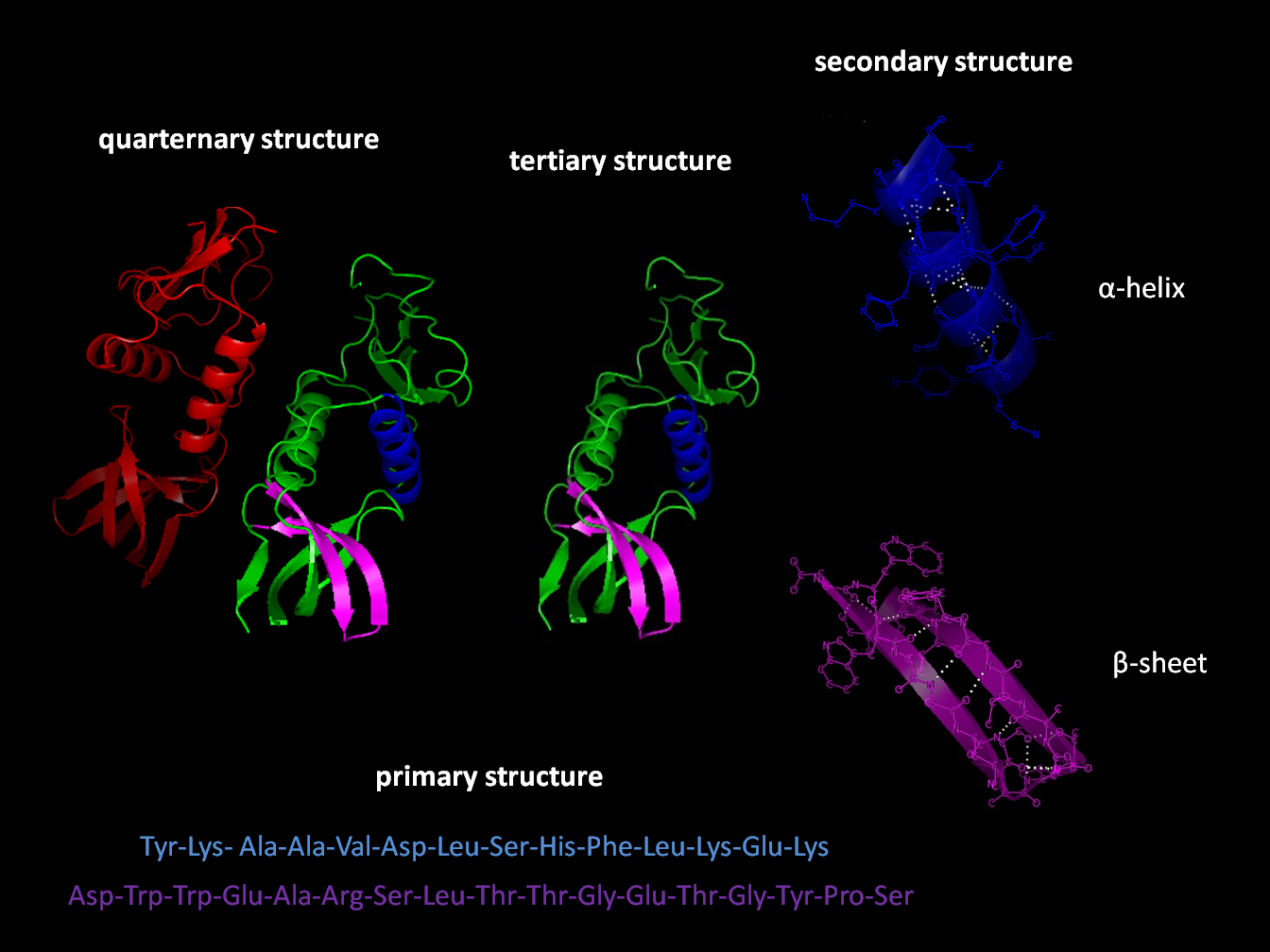
A folding pathway is essentially a series of conformational states a polypeptide chain traverses from its unfolded state to its native structure. This journey is guided by the physicochemical properties of the amino acid side chains, such as hydrophobic interactions, hydrogen bonding, and electrostatic forces. The process often involves the formation of local secondary structures (alpha-helices and beta-sheets) which then coalesce into larger tertiary structures. Some pathways are 'hierarchical,' forming stable intermediates, while others are '<bos>-like,' where the protein collapses rapidly into a compact state before fine-tuning its structure. Chaperone proteins, like Hsp70 and chaperonins, can assist in folding, guiding the polypeptide along favorable pathways and preventing aggregation, especially in crowded cellular environments.
📊 Key Facts & Numbers
It's estimated that over 100,000 distinct protein structures exist within the human proteome, each with a unique folding pathway. The energy landscape guiding this folding is incredibly complex, with a funnel-like shape that directs the protein towards its native state, minimizing the number of possible conformations. A typical protein of 100 amino acids could theoretically adopt 10^100 different conformations, yet it folds into its functional state in milliseconds to seconds. The energy barrier for misfolding can be as low as 1-2 kcal/mol, making errors a constant risk. Studies suggest that up to 5-10% of newly synthesized proteins in a cell may misfold, highlighting the importance of cellular quality control mechanisms.
👥 Key People & Organizations
Pioneering figures in protein folding include Christian Anfinsen, whose work on ribonuclease A provided early evidence for the sequence-dictated nature of protein structure. Alexander M. Finkelstein developed key theoretical models of the protein folding energy landscape. Arthur Horwich and Franz-Ulbrich-Hartl made significant contributions to understanding the role of chaperones, particularly the GroEL/GroES system. Major research institutions like the MRC Laboratory of Molecular Biology in Cambridge, UK, and the Stanford University have been hubs for this research. The Protein Data Bank (PDB) serves as a critical repository for structural data, enabling computational studies of folding pathways.
🌍 Cultural Impact & Influence
Understanding protein folding pathways has profound implications across biology and medicine. It underpins our comprehension of enzyme function, cellular signaling, and the molecular basis of disease. The discovery of misfolding as a cause of conditions like ALS and Parkinson's disease has shifted therapeutic strategies. Furthermore, insights into folding pathways have inspired the design of novel proteins with engineered functions, a field known as protein engineering, and have influenced the development of drug discovery pipelines targeting protein misfolding.
⚡ Current State & Latest Developments
Current research is heavily focused on mapping the folding pathways of complex, multi-domain proteins and membrane proteins, which are notoriously difficult to study. Advances in cryo-electron microscopy (cryo-EM) are providing unprecedented structural snapshots of proteins in various states, offering new insights into transient intermediates. Computational methods are becoming increasingly sophisticated, with AI-driven platforms like AlphaFold from DeepMind predicting protein structures with remarkable accuracy, which can then inform pathway analysis. Efforts are also underway to develop small molecules that can correct or stabilize misfolded proteins in vivo.
🤔 Controversies & Debates
A central debate revolves around the degree of 'pathway specificity' versus 'conformational selection' in protein folding. While Anfinsen's hypothesis suggests a directed pathway, some argue that proteins may exist in an ensemble of partially folded states, and the functional state is selected by the cellular environment or binding partners. The precise role and mechanism of action of certain chaperone proteins remain areas of active investigation, with differing models proposed for how they assist folding. Furthermore, the extent to which in vitro folding pathways accurately reflect in vivo processes, given the crowded cellular milieu and the presence of post-translational modifications, is a persistent question.
🔮 Future Outlook & Predictions
The future of folding pathway research lies in integrating experimental and computational approaches to achieve near-atomic resolution and real-time observation of folding events. We can expect the development of more accurate predictive models for protein folding, potentially enabling the de novo design of proteins with entirely novel functions. Therapeutic strategies targeting protein misfolding are likely to become more refined, moving beyond broad-spectrum chaperones to highly specific modulators of individual folding pathways. The application of folding principles to the design of protein-based nanomaterials and biosensors also holds significant promise.
💡 Practical Applications
Understanding folding pathways is critical for developing treatments for a range of diseases linked to protein misfolding, such as Huntington's disease and Type 2 diabetes. In biotechnology, knowledge of folding pathways allows for the efficient production of recombinant proteins, like insulin and growth hormone, in industrial settings using systems like E. coli or yeast. Protein engineering leverages this understanding to design enzymes with enhanced stability or novel catalytic activities for applications in industrial processes and bioremediation. The design of protein-based drugs that can stabilize or correct misfolded targets is also a burgeoning area.
Key Facts
- Category
- science
- Type
- concept