
Contents
Overview
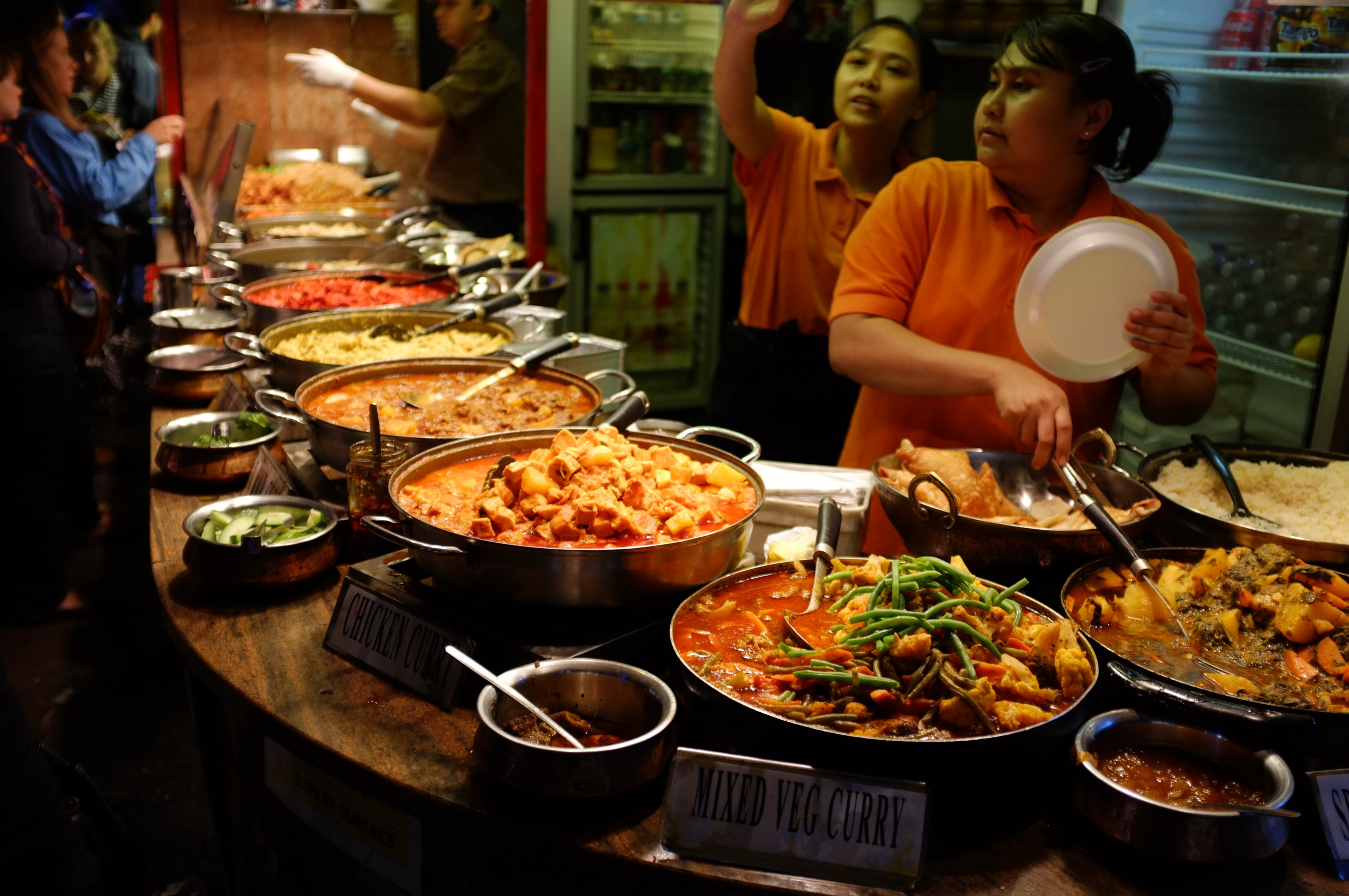
The food service industry, known as catering in British and Commonwealth English, encompasses the vast network of businesses and institutions that prepare and serve food outside of private residences. This sector is a cornerstone of the global economy, ranging from iconic fast-food chains and fine-dining restaurants to essential school cafeterias, hospital kitchens, and corporate catering operations. It's a dynamic field driven by consumer demand, culinary innovation, and logistical complexity, involving not just the preparation of food but also its distribution, marketing, and the management of vast supply chains. With billions of meals served daily worldwide, the industry's economic impact is immense, influencing agriculture, manufacturing, and employment on a massive scale. Understanding food service means grasping the intricate interplay of operations, economics, and cultural habits that define how and where we eat.
🎵 Origins & History
The roots of food service stretch back to ancient inns and taverns that offered sustenance to travelers, a practice formalized with the rise of public dining establishments. The Industrial Revolution in the 19th century spurred further growth, with increased urbanization and disposable income creating demand for convenient meal solutions. The 20th century witnessed the explosion of fast food, which standardized operations and scaled the industry globally. The advent of quick-service restaurants and the rise of food distributors in the mid-20th century further professionalized and consolidated the sector, transforming it from a collection of independent eateries into a complex, interconnected industry.
⚙️ How It Works
At its core, food service operates on a model of preparing and delivering meals to consumers who do not prepare them themselves. This involves a multi-stage process: sourcing ingredients from food distributors and producers, storing and managing inventory, preparing food according to established recipes and safety standards (adhering to regulations like HACCP), cooking and finishing dishes, and finally, serving or delivering the food to the customer. Operations can range from highly automated kitchens in fast-food chains to bespoke catering services for events, requiring intricate logistical planning. Key to success are inventory management, labor scheduling, quality control, and customer service, all managed within tight cost controls and stringent health and safety protocols.
📊 Key Facts & Numbers
Numerous individuals and organizations have shaped the food service landscape. Culinary titans revolutionized haute cuisine and kitchen organization in the early 20th century, influencing generations of chefs. Entrepreneurs defined the fast-food model. Major players include multinational corporations alongside giant distributors. Industry associations advocate for policy and provide resources, while culinary schools train future professionals.
👥 Key People & Organizations
Food service is deeply interwoven with cultural identity and social practices worldwide. Restaurants serve not just as places to eat but as social hubs, venues for celebrations, and spaces for cultural exchange. The expansion of specific cuisines in global popularity, from Italian pasta to Japanese sushi, is often driven by the expansion of their respective food service industries. Fast food has homogenized eating habits in many regions, while also sparking counter-movements focused on local, artisanal, and sustainable food. The industry also plays a significant role in employment, offering entry-level positions and career paths for millions, particularly impacting immigrant communities and younger workers. The visual presentation of food, heavily influenced by restaurant plating and media, has also become a significant aspect of modern aesthetics and social media marketing.
🌍 Cultural Impact & Influence
The industry is currently navigating significant shifts driven by technology and changing consumer preferences. Automation, from robotic kitchen assistants to AI-powered inventory management, is increasingly being explored and implemented to address labor shortages and improve efficiency. There's a growing demand for healthier, plant-based, and sustainably sourced options, pushing brands to adapt their menus and supply chains. Ghost kitchens and virtual brands, operating solely for delivery, have also emerged as a major trend, decoupling food preparation from traditional storefronts.
⚡ Current State & Latest Developments
Controversies abound in the food service sector. Labor practices, including low wages, inconsistent scheduling, and the debate over tipped minimum wages, are persistent issues, particularly in the U.S. The authenticity and cultural appropriation of certain cuisines served in restaurants also spark ongoing debates.
🤔 Controversies & Debates
The future of food service points towards greater integration of technology and a continued focus on personalization and convenience. Expect to see more advanced robotics in kitchens and for delivery, potentially reducing labor costs but also raising questions about job displacement. Personalized nutrition, driven by data analytics and consumer health tracking, could lead to highly customized meal offerings. The sustainability movement will likely intensify, with greater emphasis on circular economy principles, reduced waste, and ethical sourcing. Virtual brands and ghost kitchens will continue to evolve, potentially reshaping urban real estate and the very concept of a 'restaurant.' The line between grocery stores and prepared meal services will likely blur further, offering more integrated solutions for home dining.
🔮 Future Outlook & Predictions
Food service applications are ubiquitous. The most obvious is the restaurant sector, encompassing everything from fast-food chains to fine-dining establishments. Catering services provide meals for events, from corporate luncheons to weddings. Institutional food service operates within schools, hospitals, prisons, and military bases, providing essential nutrition to large populations. Grocery stores increasingly offer prepared foods, deli counters, and meal kits, blurring the lines with traditional food service. Airlines and cruise ships have their own specialized food service operations to cater to passengers. Even vending machines have evolved to offer more sophisticated prepared meals, extending the reach of food service into more locations.
💡 Practical Applications
To truly grasp the food service industry, one must explore its interconnectedness with agriculture and food processing, understanding the journey of ingredients from farm to fork. Examining the economics of restaurant management reveals the razor-thin margins and operational complexities.
Key Facts
- Category
- culture
- Type
- topic