
Contents
Overview
The concept of interchangeable medicines isn't new, but the modern generic pharmaceutical industry truly began to take shape in the mid-20th century. Early precursors involved pharmacists compounding their own versions of patented medicines. However, the formalization of the industry accelerated with legislative efforts aimed at controlling drug prices and increasing access. In the United States, the Hatch-Waxman Act of 1984 was a watershed moment, establishing a streamlined regulatory pathway for generic drug approval. This act created the Abbreviated New Drug Application (ANDA) process, allowing generic manufacturers to rely on the innovator's safety and efficacy data, provided they could demonstrate bioequivalence. Prior to this, generic approval was a more arduous and costly process, often requiring independent clinical trials. Key players like Teva Pharmaceutical Industries, founded in 1935, and Sandoz, were early pioneers, laying the groundwork for the global generic market we see today.
⚙️ How It Works
Generic pharmaceuticals function by replicating the exact chemical structure of the active pharmaceutical ingredient (API) found in a brand-name drug. This means the molecule responsible for the therapeutic effect—be it lowering blood pressure, fighting infection, or managing pain—is identical. The regulatory process, particularly the ANDA pathway in the U.S., requires generic manufacturers to prove that their product is bioequivalent to the reference listed drug (RLD). Bioequivalence is established through studies demonstrating that the rate and extent to which the API is absorbed into the bloodstream are comparable between the generic and the brand-name product. While the API is the same, generics may differ in inactive ingredients, such as binders, fillers, or coatings, which can affect taste, color, or dissolution rate but not the drug's fundamental therapeutic action. Manufacturing processes also vary, but must adhere to strict Good Manufacturing Practices (GMP) to ensure quality and consistency.
📊 Key Facts & Numbers
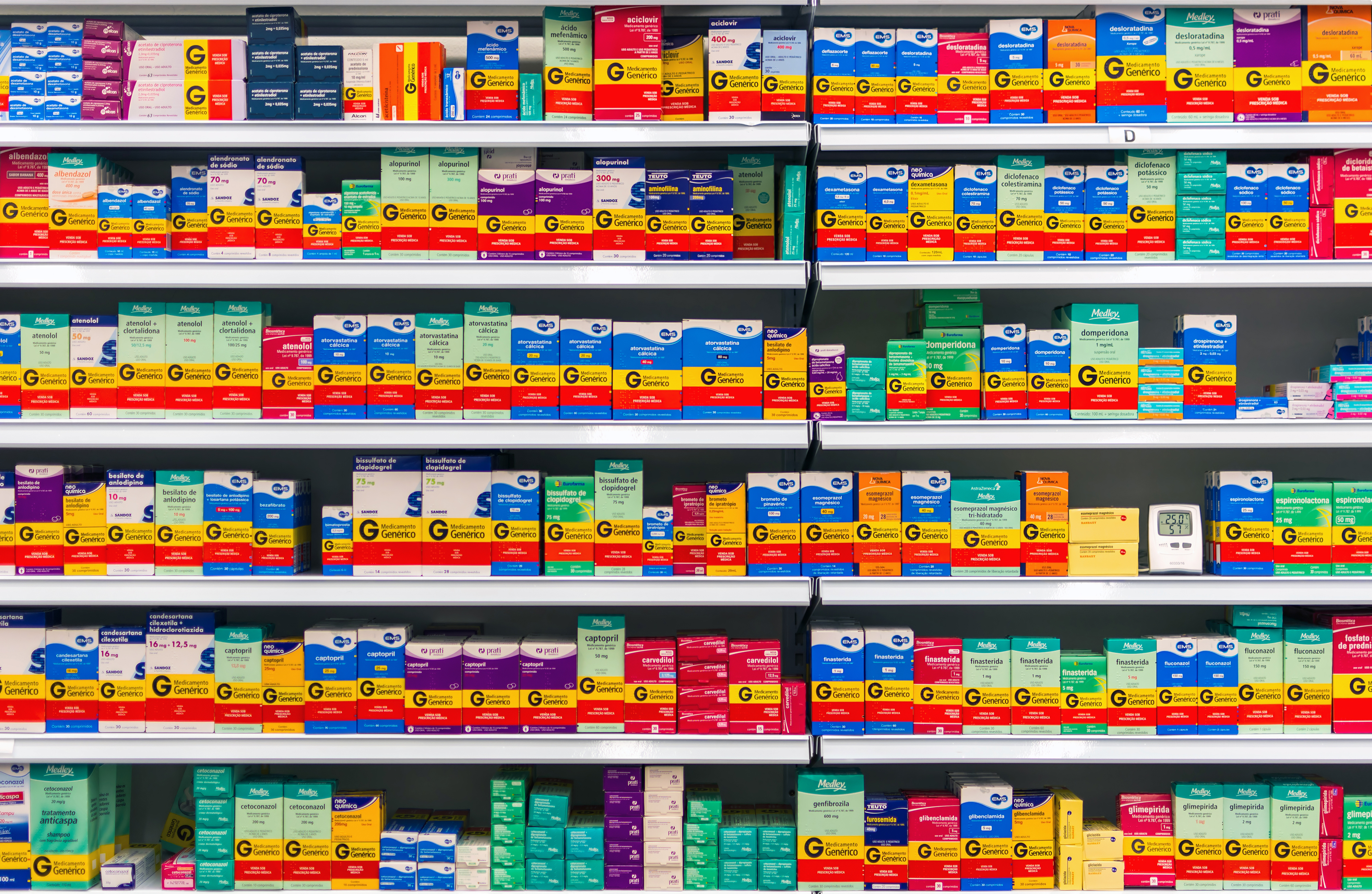
The economic impact of generic pharmaceuticals is staggering. Globally, the generic drug market was valued at approximately $400 billion in 2023 and is projected to grow to over $600 billion by 2030, according to various market research reports. In the United States, generics account for over 90% of all prescriptions dispensed, saving consumers and healthcare systems an estimated $250 billion annually. For instance, the generic version of Lipitor, a cholesterol-lowering drug, saw its price drop by over 80% after patent expiry, making it accessible to millions more patients. The development and approval of generics also foster significant competition; for a single branded drug, there can be dozens of generic versions available from multiple manufacturers, driving prices down further. This competitive landscape is a direct result of the regulatory frameworks designed to encourage generic entry.
👥 Key People & Organizations
Several key individuals and organizations have shaped the generic pharmaceutical landscape. Henry Waxman and Orrin Hatch were the bipartisan sponsors of the landmark Hatch-Waxman Act of 1984. Major generic manufacturers like Israel Makover, co-founder of Teva Pharmaceutical Industries, played pivotal roles in establishing large-scale generic production. Regulatory bodies such as the FDA and the EMA are central to ensuring the quality and bioequivalence of generics through their rigorous approval processes. Industry associations like the Association for Accessible Medicines (AAM) advocate for policies that support generic competition and patient access.
🌍 Cultural Impact & Influence
Generic pharmaceuticals have fundamentally reshaped global healthcare access and affordability. By providing cost-effective alternatives to expensive branded medications, generics have enabled millions worldwide to access life-saving and life-improving treatments. This has had a profound impact on public health, particularly in developing nations where the cost of branded drugs would otherwise be prohibitive. The widespread availability of generics has also spurred innovation in the pharmaceutical industry by freeing up capital for research into novel therapies, as companies can focus on developing new drugs rather than defending existing patents. Furthermore, the competitive pressure exerted by generics has influenced the pricing strategies of originator companies, often leading to earlier price reductions even before patent expiry. The cultural perception of generics has evolved from a niche market to a mainstream expectation of affordable healthcare.
⚡ Current State & Latest Developments
The generic pharmaceutical sector is in a constant state of evolution, driven by scientific advancements, regulatory changes, and market dynamics. In 2024, there's a growing focus on complex generics, such as inhalation products, transdermal patches, and injectable drugs, which present greater manufacturing and regulatory challenges but offer significant cost savings. Biosimilars, the generic equivalents of biologic drugs, are also a major growth area, though their development and approval pathways are more complex than those for small-molecule generics. The U.S. FDA's recent initiatives to expedite generic drug approvals, particularly for those facing limited competition, are also shaping the market. Furthermore, the increasing integration of artificial intelligence and machine learning in drug discovery and manufacturing promises to accelerate the development and production of both branded and generic medicines, potentially leading to even faster market entry for affordable alternatives.
🤔 Controversies & Debates
Despite their proven efficacy and cost-effectiveness, generic pharmaceuticals are not without controversy. A persistent debate revolves around the 'reference listed drug' system, where generic manufacturers must demonstrate bioequivalence to the original drug as it was initially approved, even if the brand-name manufacturer has since made minor formulation changes. Critics argue this can create an uneven playing field. Another area of contention is the 'patent thicket' strategy employed by some originator companies, where multiple overlapping patents are filed to extend market exclusivity beyond the primary patent term, delaying generic entry. Furthermore, while generics are bioequivalent, subtle differences in inactive ingredients can, in rare cases, lead to patient-specific sensitivities or altered drug delivery profiles, fueling occasional public distrust. The marketing practices of some originator companies, which sometimes highlight these minor differences to dissuade patients from switching, also contribute to the controversy.
🔮 Future Outlook & Predictions
The future of generic pharmaceuticals appears robust, driven by ongoing patent expirations of blockbuster drugs and increasing global demand for affordable healthcare. We can anticipate a continued surge in the development of complex generics and biosimilars, requiring sophisticated manufacturing capabilities and advanced regulatory science. The integration of digital technologies, such as blockchain for supply chain integrity and AI for formulation optimization, will likely streamline production and enhance quality control. Regulatory bodies worldwide are expected to continue refining approval pathways to encourage timely generic entry while maintaining stringent safety and efficacy standards. Moreover, as healthcare systems globally grapple with rising costs, the role of generics in ensuring equitable access to medicines will only become more pronounced, potentially leading to new policy initiatives aimed at further promoting their uptake and availability. The continued patent cliff for major drug classes ensures a steady pipeline of opportunities for generic manufacturers.
💡 Practical Applications
Gener
Key Facts
- Category
- technology
- Type
- topic