
Contents
Overview
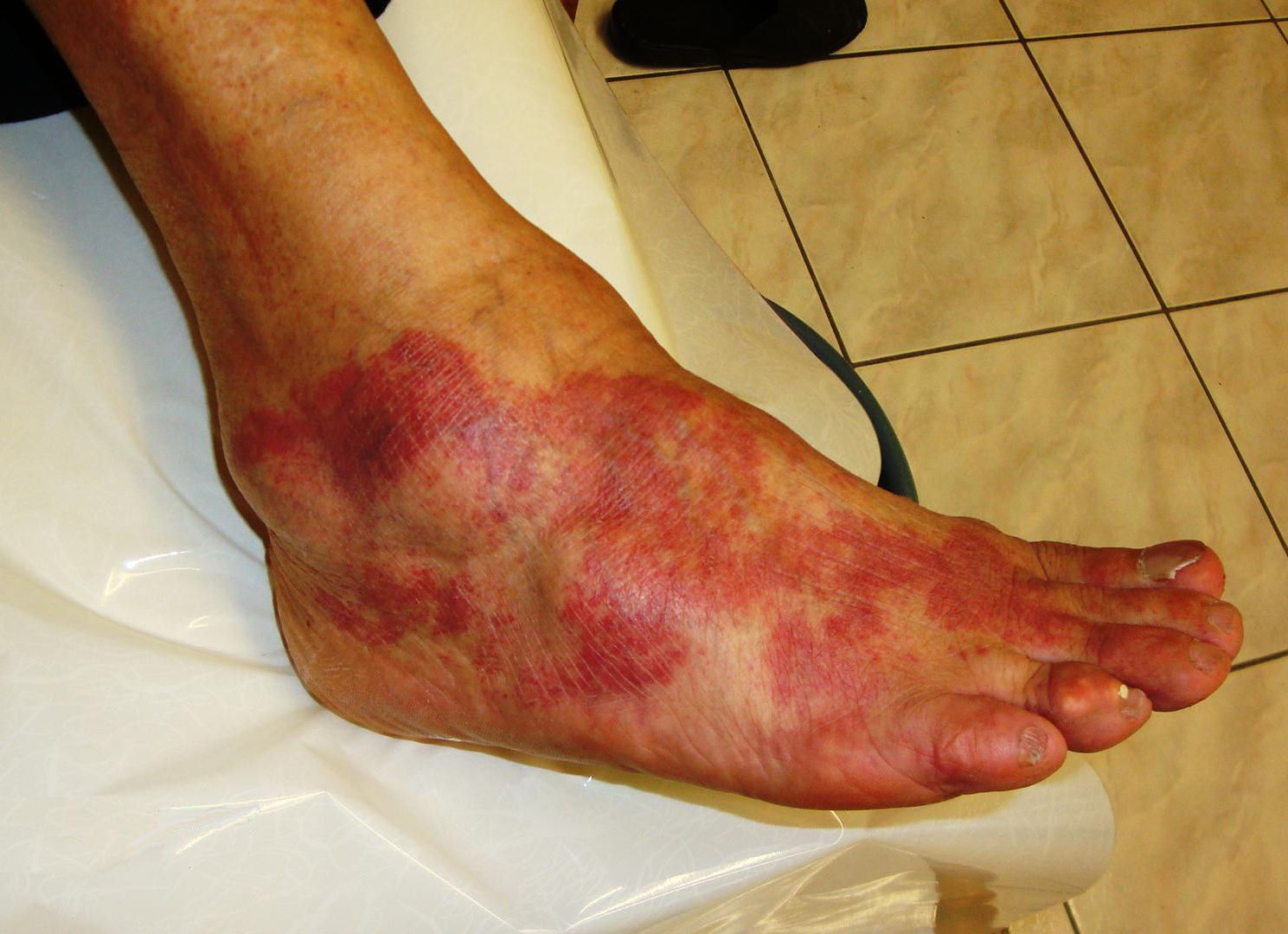
The inflammatory response is a fundamental biological defense mechanism in vertebrates, designed to protect tissues from injury and infection. Triggered by a vast array of stimuli—from pathogens and toxins to physical trauma and autoimmunity—it manifests through five cardinal signs: heat, pain, redness, swelling, and loss of function. This complex process involves immune cells, blood vessels, and molecular mediators, aiming to eliminate the initial cause of injury, clear damaged cells, and initiate repair. While crucial for survival, an uncontrolled or chronic inflammatory response can paradoxically lead to progressive tissue destruction and contribute to a wide spectrum of diseases, including cardiovascular disease, neurodegenerative disorders, and cancer. Understanding its intricate molecular pathways is key to developing targeted therapies for conditions where inflammation runs rampant.
🎵 Origins & History
The concept of inflammation, while understood mechanistically only in the last century, has been recognized since antiquity. Ancient Greek physicians like Hippocrates described the cardinal signs of inflammation—redness, swelling, heat, and pain—linking them to disease processes. Galen later added a fifth sign, loss of function. For centuries, inflammation was viewed primarily as a pathological process. The modern scientific understanding began to crystallize in the late 19th and early 20th centuries with the work of immunologists like Élie Metchnikoff, who elucidated the role of phagocytic cells (macrophages and neutrophils) in engulfing pathogens, a cornerstone of the inflammatory response. The discovery of key mediators like histamine and prostaglandins in the mid-20th century further refined our comprehension of this ancient biological defense.
⚙️ How It Works
At its core, the inflammatory response is a tightly regulated cascade initiated by cellular damage or the presence of pathogens. When tissues are injured or invaded, resident cells release signaling molecules, such as cytokines (e.g., TNF-alpha, IL-1) and chemokines. These signals recruit immune cells, primarily neutrophils and macrophages, from the bloodstream to the site of injury. Concurrently, blood vessels dilate (vasodilation) and become more permeable, allowing plasma and immune cells to exit the circulation and enter the affected tissue. This influx of fluid causes swelling (edema), and the increased blood flow contributes to redness and heat. Immune cells then work to neutralize pathogens, clear cellular debris, and release growth factors that initiate the tissue repair process. This intricate dance is orchestrated by a complex network of molecular interactions, including the complement system and various signaling pathways like NF-κB.
📊 Key Facts & Numbers
Globally, an estimated 50% of all deaths are linked to inflammatory diseases, a staggering figure that underscores the pervasive impact of this biological process. Cardiovascular diseases, largely driven by chronic inflammation, account for approximately 18 million deaths annually worldwide. Autoimmune diseases, where the inflammatory response mistakenly targets self-tissues, affect over 50 million Americans alone, with conditions like rheumatoid arthritis and lupus being prime examples. Cancer, too, is intimately linked to inflammation, with chronic inflammation contributing to an estimated 20% of all solid tumors. Even seemingly minor conditions like allergies, affecting up to 30% of the global population, are a manifestation of an overzealous inflammatory reaction to otherwise harmless substances.
👥 Key People & Organizations
Key figures in understanding inflammation include Élie Metchnikoff, whose work on phagocytosis in the late 19th century laid the groundwork for cellular immunology. More recently, researchers like Charles Dinarello have made seminal contributions to identifying and characterizing key inflammatory cytokines such as Interleukin-1 (IL-1). Organizations like the National Institutes of Health (NIH) and the World Health Organization (WHO) fund and disseminate critical research on inflammatory processes and their role in disease. Pharmaceutical giants like Pfizer and Roche are heavily invested in developing anti-inflammatory drugs, reflecting the immense commercial and medical significance of this field. The American Association of Immunologists serves as a vital hub for researchers dedicated to unraveling immunology's complexities.
🌍 Cultural Impact & Influence
The cultural perception of inflammation has evolved from a vague notion of 'humoral imbalance' to a scientifically understood, yet often feared, biological process. The ubiquity of inflammatory conditions means they permeate everyday life, from the common cold to chronic pain management. Media coverage frequently highlights the link between diet, lifestyle, and inflammation, popularizing concepts like 'anti-inflammatory diets' often featuring foods like turmeric and omega-3 fatty acids. However, this popularization can sometimes lead to oversimplification or the promotion of unproven remedies, creating a cultural tension between scientific understanding and public health messaging. The very term 'inflammation' has become shorthand for a host of ailments, reflecting its deep integration into our understanding of health and disease.
⚡ Current State & Latest Developments
Current research is intensely focused on dissecting the intricate molecular pathways that govern inflammation, particularly in the context of chronic diseases. The development of targeted therapies, such as monoclonal antibodies against specific cytokines like TNF-alpha (used in conditions like rheumatoid arthritis and Crohn's disease), represents a major advancement. Furthermore, the microbiome's profound influence on immune responses and inflammation is a rapidly expanding area of study, with researchers exploring how gut bacteria can either promote or suppress inflammatory cascades. Precision medicine approaches are also gaining traction, aiming to tailor anti-inflammatory treatments based on an individual's genetic makeup and specific inflammatory profile, moving beyond one-size-fits-all solutions.
🤔 Controversies & Debates
A significant debate revolves around the 'double-edged sword' nature of inflammation. While acute inflammation is essential for healing, chronic, low-grade inflammation is now recognized as a major driver of numerous non-communicable diseases, including type 2 diabetes, Alzheimer's disease, and certain cancers. The challenge lies in developing therapies that can dampen harmful chronic inflammation without compromising the body's ability to mount effective acute responses against infections. Another controversy surrounds the role of specific dietary components, with ongoing debates about the precise impact of foods like red meat, sugar, and processed items on systemic inflammation, often complicated by industry-funded research and conflicting study results.
🔮 Future Outlook & Predictions
The future of understanding and managing inflammation points towards highly personalized interventions. Advances in genomics and proteomics will enable even more precise identification of individual inflammatory signatures, allowing for tailored drug selection and dosage. The gut microbiome's role will likely become a central therapeutic target, with engineered probiotics and fecal microbiota transplantation showing promise. Furthermore, researchers are exploring novel anti-inflammatory strategies that target intracellular signaling pathways or even cellular senescence, aiming to address inflammation at its root. The ultimate goal is to shift from treating the symptoms of inflammatory diseases to preventing or reversing the underlying inflammatory processes themselves, potentially revolutionizing healthcare.
💡 Practical Applications
The practical applications of understanding inflammation are vast and touch nearly every field of medicine. Anti-inflammatory drugs, ranging from over-the-counter aspirin and ibuprofen to prescription biologics, are used daily to manage pain and swelling. In surgery, controlling inflammation is critical for wound healing and preventing complications. In sports medicine, managing inflammation is key to athlete recovery and performance. Furthermore, insights into inflammation are crucial for developing treatments for allergies, asthma, and autoimmune disorders. Even in oncology, understanding how tumors manipulate the inflammatory microenvironment is vital for designing effective cancer immunotherapies.
Key Facts
- Category
- science
- Type
- topic