
Contents
- 🎵 Origins & History
- ⚙️ How It Works
- 📊 Key Facts & Numbers
- 👥 Key People & Organizations
- 🌍 Cultural Impact & Influence
- ⚡ Current State & Latest Developments
- 🤔 Controversies & Debates
- 🔮 Future Outlook & Predictions
- 💡 Practical Applications
- 📚 Related Topics & Deeper Reading
- Frequently Asked Questions
- References
- Related Topics
Overview
The roots of lobbying in the United States stretch back to the nation's founding, though its formalization and scale have evolved dramatically. Early forms of petitioning the government, protected by the First Amendment, laid the groundwork. However, the term "lobbying" gained traction in the mid-19th century, particularly during the Andrew Johnson administration, referring to individuals who sought to influence legislation from the lobbies of hotels and government buildings. Initially, such activities were often viewed with suspicion and were even subject to legal restrictions, with early attempts to regulate it dating back to the late 18th century. The Progressive Era saw increased calls for transparency and regulation, leading to landmark legislation like the Federal Regulation of Lobbying Act of 1946 and later, the Lobbying Disclosure Act of 1995, which sought to bring order to a practice that had grown increasingly pervasive and opaque, particularly following the Civil War and the rise of powerful industrial interests like Standard Oil.
⚙️ How It Works
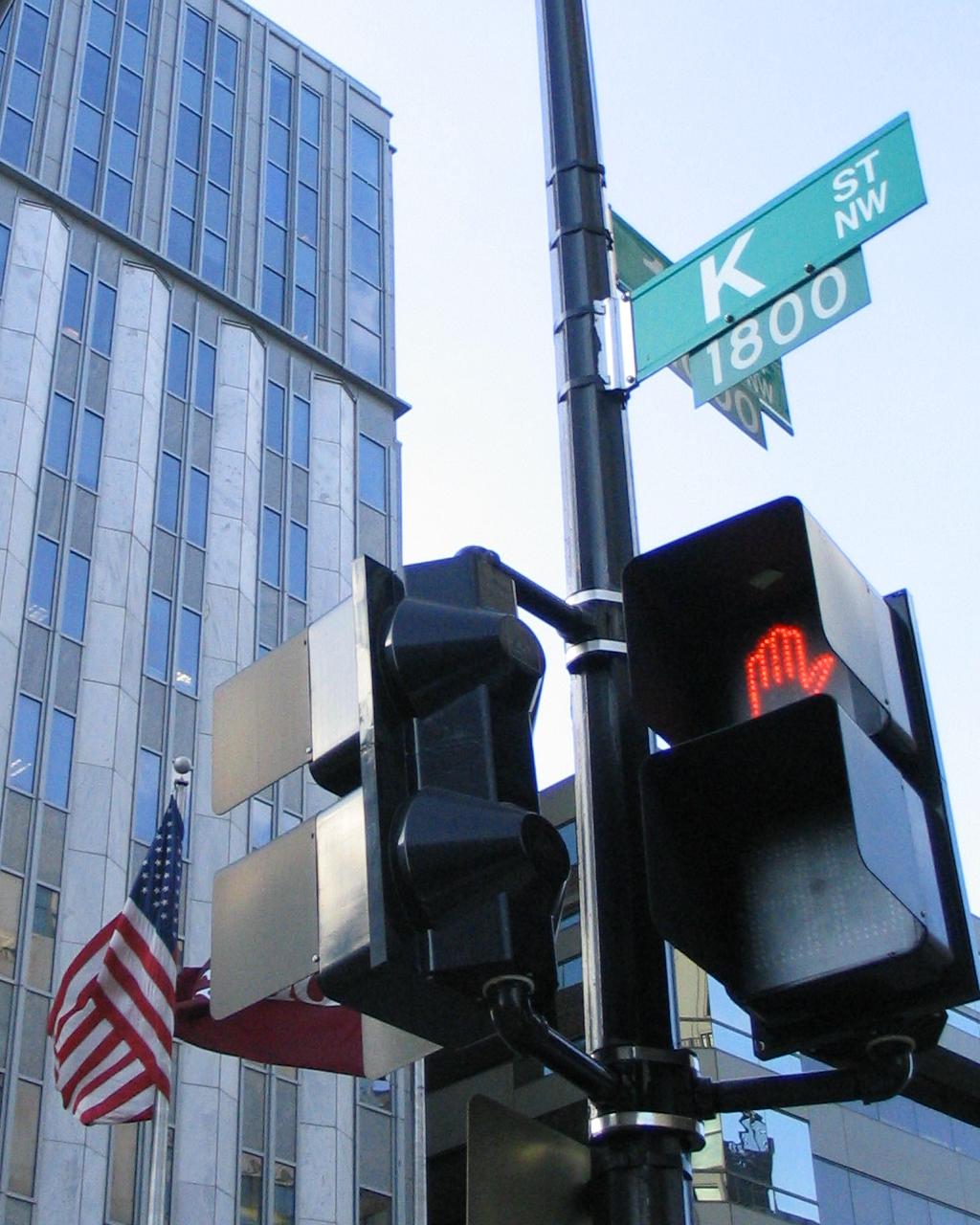
At its core, lobbying in the U.S. involves direct advocacy aimed at influencing legislative and regulatory outcomes. Professional lobbyists, often possessing deep knowledge of policy and established relationships within government, engage in a variety of activities. These include meeting with members of Congress and their staff, testifying at hearings, drafting legislative language, and organizing grassroots campaigns. They also engage in "K Street" operations, a colloquial term for the lobbying industry centered in Washington, D.C., where firms represent diverse interests ranging from major corporations like Boeing to labor unions such as the Teamsters. The process often involves extensive research, strategic communication, and the cultivation of long-term relationships to ensure their clients' perspectives are heard and considered by policymakers, operating within the framework established by laws like the Ethics in Government Act of 1978.
📊 Key Facts & Numbers
The financial scale of lobbying in the United States is staggering, reflecting its perceived effectiveness. In 2023 alone, total reported lobbying expenditures in the U.S. federal government exceeded $4.1 billion, according to the Senate Historical Office. This figure represents a significant increase from previous decades; for instance, lobbying spending in 2010 was approximately $3.5 billion. The pharmaceutical industry consistently ranks among the top spenders, often allocating over $300 million annually to influence healthcare policy. Similarly, the technology sector, represented by giants like Google and Meta, spent upwards of $200 million in 2023. These figures underscore the immense resources dedicated to shaping legislation and regulation across critical sectors of the American economy.
👥 Key People & Organizations
A constellation of individuals and organizations drives the lobbying landscape. Key figures often include former members of Congress, White House staff, and seasoned policy experts who transition into lobbying roles, leveraging their insider knowledge and networks. Prominent lobbying firms like Akin Gump Strauss Hauer & Feld and Brownstein Hyatt Farber Schreck represent a broad spectrum of clients. On the advocacy side, organizations such as the National Rifle Association (NRA) and the American Civil Liberties Union (ACLU) engage in lobbying to advance their respective missions. Government bodies like the Office of Government Ethics and the Federal Election Commission (FEC) are tasked with overseeing and enforcing lobbying regulations, though their effectiveness is often debated.
🌍 Cultural Impact & Influence
Lobbying's influence permeates American culture and politics, shaping public discourse and policy outcomes. It has fostered a "revolving door" phenomenon, where individuals move between government positions and lucrative lobbying jobs, raising concerns about undue influence and conflicts of interest. This dynamic is frequently depicted in media, from political dramas like "The West Wing" to investigative journalism, highlighting the often-opaque nature of policy-making. The sheer volume of money spent on lobbying has also contributed to a perception of an "oligarchy" or "plutocracy," where wealthy interests disproportionately shape the political agenda, potentially overshadowing the voices of ordinary citizens and grassroots movements. The debate over whether lobbying constitutes legitimate advocacy or a corrupting force remains a persistent undercurrent in American political consciousness.
⚡ Current State & Latest Developments
The current landscape of lobbying in the U.S. is characterized by increasing specialization and technological integration. In 2024, there's a notable rise in data analytics and digital advocacy tools used to identify key influencers and mobilize public opinion. The Bipartisan Campaign Reform Act (BCRA), also known as McCain-Feingold, and subsequent court decisions like Citizens United v. FEC have significantly altered the landscape of campaign finance and its intersection with lobbying, particularly regarding "dark money" and "super PACs." Recent legislative efforts, such as proposals to strengthen disclosure requirements and limit the revolving door, continue to be debated in Congress, reflecting ongoing attempts to address public concerns about the influence of money in politics.
🤔 Controversies & Debates
The controversies surrounding lobbying in the United States are deeply entrenched and fiercely debated. Critics often label it as legalized bribery, arguing that the vast sums of money spent by corporations and special interests distort the democratic process, leading to policies that favor the few over the many. The "revolving door" between government service and lobbying is a perennial point of contention, with concerns that former officials use their connections and inside knowledge for private gain. Conversely, proponents argue that lobbying is a vital form of free speech and freedom of assembly, essential for informing policymakers and ensuring diverse perspectives are considered. They contend that restricting lobbying would disenfranchise groups and empower only those already in power, arguing that transparency measures, rather than outright bans, are the appropriate solution to perceived abuses.
🔮 Future Outlook & Predictions
Looking ahead, the future of lobbying in the U.S. is likely to be shaped by technological advancements and ongoing regulatory battles. Expect a continued increase in the use of sophisticated data analytics, AI-driven communication strategies, and digital mobilization platforms to influence policy. The tension between calls for greater transparency and stricter regulation, particularly concerning campaign finance and the revolving door, will persist. Potential future developments include expanded disclosure requirements for "dark money" groups and more robust enforcement of ethics rules. The rise of decentralized autonomous organizations (DAOs) and blockchain-based advocacy could also introduce new, albeit currently speculative, models of influence that challenge traditional lobbying structures. The ongoing debate over campaign finance reform, particularly following decisions like Citizens United, will undoubtedly continue to influence the strategies and legal frameworks governing lobbying.
💡 Practical Applications
Lobbying's practical applications are vast, extending across nearly every sector of American society. Corporations utilize lobbyists to navigate complex regulatory environments, such as those governing the Environmental Protection Agency (EPA) or the Food and Drug Administration (FDA). Non-profit organizations and advocacy groups lobby for legislation related to social issues, environmental protection, and civil rights. Trade associations, like the U.S. Chamber of Commerce, lobby on behalf of entire industries, advocating for favorable tax policies and business regulations. Labor unions lobby for worker protections and benefits, while professional associations, such as the American Medical Association, advocate for policies affecting their members' practices and the public's access to services.
Key Facts
- Year
- 18th century - Present
- Origin
- United States
- Category
- movements
- Type
- concept
Frequently Asked Questions
What is lobbying in the U.S. context?
Lobbying in the U.S. is the practice of attempting to influence government officials, particularly members of Congress and regulatory agencies, on behalf of specific interests. It's a paid activity where individuals or organizations hire professionals, often called lobbyists, to advocate for their legislative or policy goals. This advocacy can take many forms, including direct meetings, providing research, testifying at hearings, and mobilizing public support, all within a framework of laws designed to ensure transparency and prevent corruption.
How much money is spent on lobbying in the U.S. annually?
The financial scale of lobbying in the U.S. is immense. In 2023 alone, total reported lobbying expenditures at the federal level exceeded $4.1 billion. This figure has seen a consistent upward trend over the past few decades, with major industries like pharmaceuticals, technology, and finance dedicating hundreds of millions of dollars each year to influence policy decisions. For example, the pharmaceutical sector alone often spends over $300 million annually, highlighting the significant resources dedicated to shaping legislation.
Is lobbying legal in the United States?
Yes, lobbying is legal in the United States and is considered a form of free speech protected by the First Amendment. However, it is heavily regulated. Laws like the Lobbying Disclosure Act of 1995 require lobbyists to register and report their activities and expenditures. Failure to comply with these regulations can result in significant penalties, including fines and imprisonment, as seen in cases like that of Jack Abramoff.
What is the "revolving door" in lobbying?
The "revolving door" refers to the phenomenon where individuals move between positions in government (like Congress or regulatory agencies) and jobs in the private sector, particularly in lobbying firms or corporations. Critics argue this creates conflicts of interest, as former officials may use their insider knowledge and connections for personal gain, and current officials might make decisions with an eye toward future lucrative private-sector employment. Regulations, such as cooling-off periods, are in place to mitigate this, but it remains a significant ethical concern in American politics.
Who are the main players in U.S. lobbying?
The main players in U.S. lobbying include a diverse array of entities. Major corporations like Boeing and Google, industry trade associations such as the U.S. Chamber of Commerce, labor unions like the Teamsters, and non-profit advocacy groups such as the ACLU all engage in lobbying. They are represented by professional lobbyists, often working for specialized lobbying firms on K Street in Washington, D.C., who are experts in policy and government relations.
How does lobbying affect policy outcomes?
Lobbying significantly affects policy outcomes by providing policymakers with information, arguments, and political support for specific positions. Well-resourced lobbying efforts can shape the legislative agenda, influence the drafting of bills, and impact regulatory decisions. For instance, extensive lobbying by the pharmaceutical industry has played a role in shaping debates and legislation around drug pricing and healthcare policy. While not always determinative, lobbying efforts can be crucial in tipping the scales on complex or contentious issues, especially when they align with the interests of powerful political actors or coalitions.
What are the main criticisms of lobbying in the U.S.?
The primary criticisms of lobbying in the U.S. revolve around its potential to create an uneven playing field, where wealthy individuals and corporations have disproportionate influence compared to ordinary citizens. Concerns include the perception of legalized bribery, the "revolving door" phenomenon, and the opacity of "dark money" contributions that obscure the true source of advocacy funding. Critics argue that this system can lead to policies that benefit special interests rather than the public good, undermining democratic principles and fostering cynicism about government.