
Contents
Overview
Music theory textbooks are the foundational texts that codify and disseminate the principles governing musical structure, harmony, melody, rhythm, and form. These books serve as essential guides for students, educators, composers, and performers, translating abstract sonic concepts into structured knowledge. From ancient Greek treatises to modern digital-native resources, textbooks have evolved to explain everything from basic notation and scales to complex contrapuntal techniques and advanced harmonic analysis. They are the primary vehicles through which formal music education imparts its curriculum, shaping generations of musicians and influencing the very sound of music produced globally. The debate over their efficacy, scope, and pedagogical approach remains a vibrant undercurrent in music education.
🎵 Origins & History
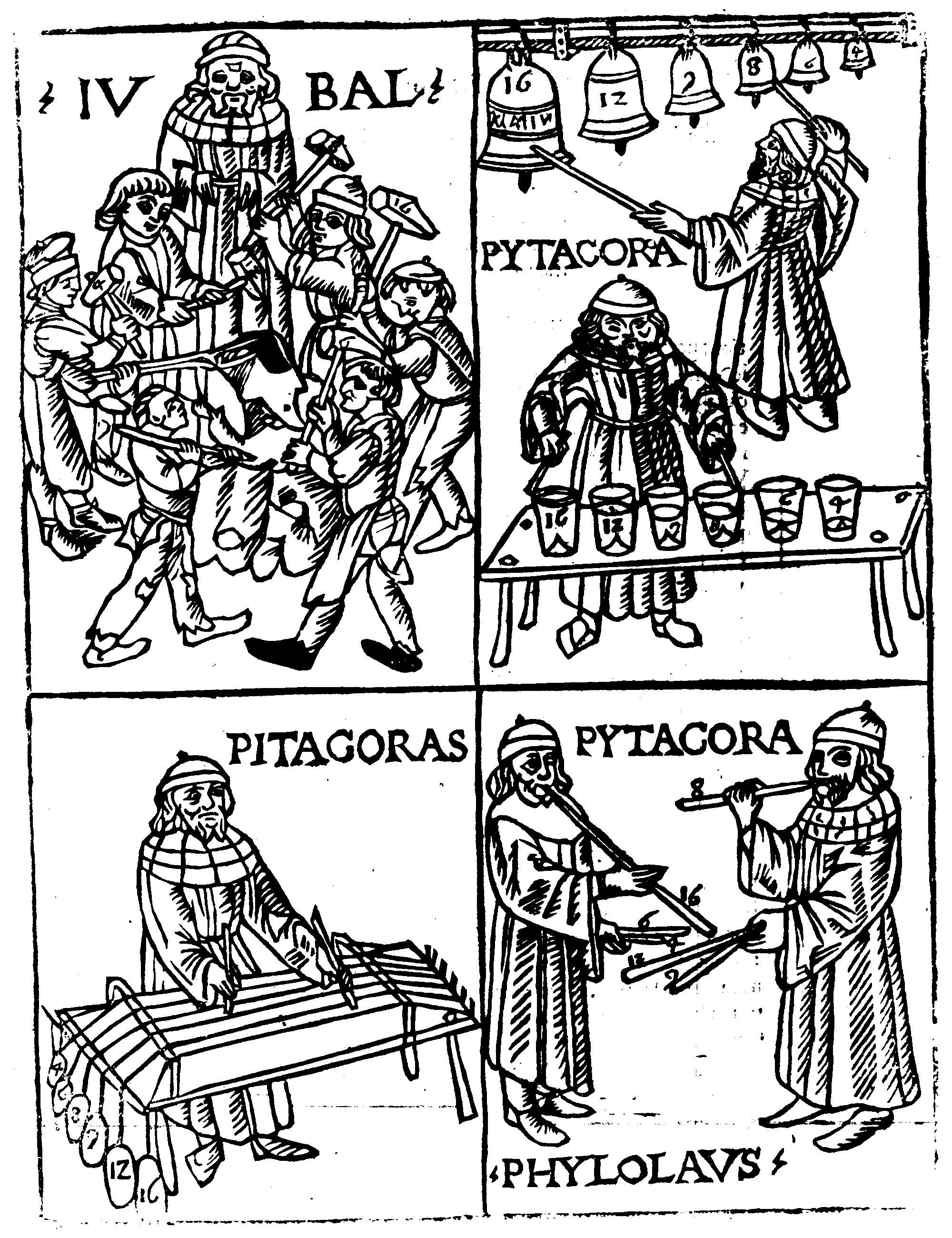
The lineage of music theory textbooks stretches back to antiquity. Medieval theorists further systematized ideas, bridging classical thought with early Christian music. The Renaissance saw a surge in theoretical writing, with comprehensive works published that became benchmarks for harmonic practice. The Baroque era brought further refinement, establishing a more systematic approach to harmony based on the overtone series. These early texts, often handwritten manuscripts or early printed works, laid the groundwork for the standardized textbooks that would emerge with the rise of formal music conservatories in the 19th century.
⚙️ How They Work
Music theory textbooks operate by dissecting music into its constituent elements and presenting them in a logical, progressive sequence. They typically begin with the most fundamental building blocks: pitch and rhythm, explaining concepts like note values, time signatures, and clefs. From there, they move to scales and modes, intervals, and chords, detailing their construction and relationships. Harmonic progression, voice leading, and musical form are then explored, often through the analysis of musical examples, frequently drawn from the common-practice period repertoire. Many textbooks also incorporate exercises and assignments designed to reinforce theoretical understanding through practical application, such as writing melodies or harmonizing given progressions.
📊 Key Facts & Numbers
The global market for music theory textbooks is substantial, though precise figures are hard to isolate from the broader educational publishing sector. Major publishers dominate the academic market. The digital shift has seen a rise in e-book sales, now accounting for an estimated 30-40% of textbook revenue in some markets.
👥 Key People & Organizations
Key figures in the development of modern music theory pedagogy include those who offered radical perspectives from the forefront of musical innovation and those whose works significantly influenced curriculum design. Organizations like the College Music Society and the American Musicological Society play crucial roles in shaping pedagogical discourse and publishing research that informs textbook content. Major publishers like W. W. Norton employ teams of editors and academic consultants to develop and update their widely adopted series, such as the Norton Introduction to Music Theory. Institutions like the Royal Academy of Music and the Juilliard School are institutions whose curricula often set precedents for textbook content.
🌍 Cultural Impact & Influence
Music theory textbooks have profoundly shaped the global musical landscape by standardizing musical education and providing a common language for musicians across diverse cultures. They have been instrumental in disseminating Western classical music theory, influencing pedagogical approaches in jazz, popular music, and even non-Western musical traditions seeking to integrate theoretical frameworks. The widespread adoption of specific texts, such as Tonal Harmony, has led to a degree of uniformity in musical training, ensuring that students from different institutions can communicate effectively using shared terminology and analytical methods. This standardization, however, also raises questions about the potential for limiting musical creativity by overly rigid adherence to established theoretical dogma, as explored in critiques by figures like Henry Cowell.
⚡ Current State & Latest Developments
The current landscape of music theory textbooks is characterized by a dynamic interplay between traditional print formats and rapidly evolving digital resources. Publishers are increasingly integrating online components, including interactive exercises, audio/video examples, and adaptive learning platforms, into their textbook offerings. This shift is partly driven by the demand for more engaging and accessible learning tools, as well as the economic pressures of the textbook market. New editions of established texts, such as revised versions of Kostka and Payne's Tonal Harmony, are continually released to incorporate contemporary scholarship and address emerging trends in music. Furthermore, there's a growing movement towards open-access and OER (Open Educational Resources) in music theory, challenging the traditional high cost of textbooks and promoting wider accessibility, with platforms like Open Music Theory leading the charge.
🤔 Controversies & Debates
The most persistent controversy surrounding music theory textbooks centers on their pedagogical approach and scope. Critics argue that many texts remain overly focused on the common-practice period repertoire, neglecting the theoretical underpinnings of jazz, electronic music, hip-hop, and global music traditions. This can lead to a narrow understanding of music's possibilities and alienate students from diverse musical backgrounds. Another debate concerns the balance between theoretical knowledge and practical application; some argue that textbooks prioritize abstract analysis over the development of aural skills and creative improvisation. The high cost of textbooks also remains a significant point of contention, with many students struggling to afford the required materials, fueling the demand for more affordable or free alternatives.
🔮 Future Outlook & Predictions
The future of music theory textbooks points towards a more integrated, multimedia, and personalized learning experience. Expect a continued migration towards digital-first or hybrid models, where print versions become supplementary to robust online platforms. Artificial intelligence may play a larger role in providing personalized feedback on exercises and tailoring learning paths to individual student needs. There will likely be increased pressure to broaden the theoretical scope to encompass a wider range of musical genres and global traditions, moving beyond the Eurocentric bias that has historically dominated. Furthermore, the rise of AI-generated music may necessitate new theoretical frameworks and, consequently, new textbook content to analyze and understand these novel compositional processes, potentially challenging the very definition of authorship and creativity as explored by thinkers like Douglas Hofstadter.
💡 Practical Applications
Music theory textbooks are indispensable tools for a wide array of practical applications. For aspiring composers, they provide the essential grammar for constructing new works, whether for orchestra, chamber ensembles, or digital media. Performers use them to deepen their understanding of the music they interpret, enabling more nuanced and informed performances. Music educators rely on them to structure curricula and teach foundational co
Key Facts
- Category
- culture
- Type
- topic