
Contents
Overview
The history of Mycobacterium tuberculosis is inextricably linked to the history of human civilization itself. While its definitive identification as the cause of tuberculosis came in 1882 with Robert Koch's groundbreaking work, evidence suggests TB has afflicted humans for at least 5,000 years, with skeletal remains showing characteristic lesions. Koch's discovery, published in the Berliner Klinische Wochenschrift, not only named the bacillus but also established the criteria for proving a specific microorganism causes a specific disease – Koch's postulates. This pivotal moment transformed TB from an enigmatic affliction into a tangible, albeit formidable, microbial enemy. Early efforts to combat it were rudimentary, relying on sanatoria and rudimentary public health measures, but the true fight against M. tb began in earnest with the advent of antibiotics.
⚙️ How It Works
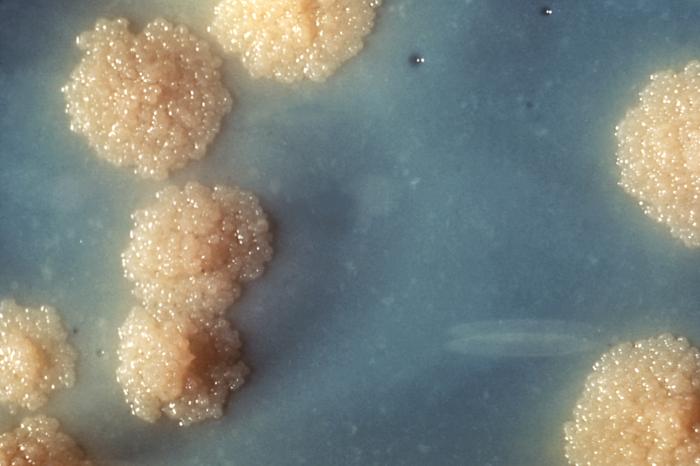
Mycobacterium tuberculosis possesses a unique cell envelope that dictates its survival and pathogenicity. The defining feature is its high mycolic acid content, creating a hydrophobic, waxy barrier that confers resistance to desiccation, disinfectants, and the host's immune system, particularly phagocytic cells. This waxy coating also explains why M. tb is not reliably stained by the standard Gram stain; instead, it requires acid-fast staining methods like the Ziehl-Neelsen stain or auramine fluorescent staining. Physiologically, M. tb is a strict aerobe, thriving in oxygen-rich environments like the upper lobes of the lungs.
📊 Key Facts & Numbers
Globally, tuberculosis remains a devastating public health crisis. TB is the leading cause of death from a single infectious agent. The development of a new TB vaccine has been slow, with the BCG vaccine, introduced in the 1920s, still being the primary vaccine, offering variable protection.
👥 Key People & Organizations
The discovery of Mycobacterium tuberculosis is credited to Robert Koch, a German physician and microbiologist whose work in the late 19th century revolutionized the understanding of infectious diseases. His meticulous research led to the identification of the specific bacterium responsible for TB, earning him the Nobel Prize in Physiology or Medicine in 1905. Key organizations driving the fight against TB include the World Health Organization (WHO), which spearheads global strategies and initiatives, and the Global Fund to Fight AIDS, Tuberculosis and Malaria, a major financier of TB programs. Pharmaceutical companies like Pfizer and Johnson & Johnson have historically played roles in developing TB drugs, though the pipeline for new treatments has been notoriously thin for decades.
🌍 Cultural Impact & Influence
Mycobacterium tuberculosis has profoundly shaped human culture and societal development for centuries. Before effective treatments, TB was often romanticized in art and literature as the 'wasting disease' or 'consumption,' associated with pale beauty and artistic temperament, appearing in works by authors like Franz Kafka and John Keats. The fear and stigma surrounding TB also led to the development of public health infrastructure, including sanatoria and early public health campaigns, influencing urban planning and social welfare policies. The global effort to combat TB has fostered international scientific collaboration, with researchers worldwide contributing to understanding its pathogenesis, developing diagnostics, and searching for cures. The ongoing struggle against M. tb continues to influence global health agendas and research priorities.
⚡ Current State & Latest Developments
The current landscape of TB control is characterized by both progress and persistent challenges. Efforts are underway to integrate TB services with COVID-19 and other health programs. New diagnostic tools, such as Xpert MTB/RIF, have improved rapid detection of M. tb and resistance to rifampicin, a key TB drug. Research into novel vaccines and shorter, more effective treatment regimens is ongoing, with several promising candidates in late-stage clinical trials.
🤔 Controversies & Debates
A significant controversy surrounding M. tb revolves around the slow development of new drugs and vaccines. For decades, the primary treatment involved a six-month regimen of multiple drugs, a regimen that is increasingly challenged by the rise of drug-resistant strains. The development of new TB drugs has lagged far behind those for other major infectious diseases, partly due to the economic disincentives for pharmaceutical companies, as TB disproportionately affects low- and middle-income countries. Debates also persist regarding the efficacy and necessity of the BCG vaccine, particularly its variable protection against pulmonary TB in adults. Furthermore, the stigma associated with TB in many communities continues to hinder diagnosis and treatment adherence, creating a cycle of transmission that public health initiatives struggle to break.
🔮 Future Outlook & Predictions
The future of combating Mycobacterium tuberculosis hinges on several key advancements. The development of a more effective TB vaccine, potentially offering sterilizing immunity against infection, is considered the 'holy grail' by many researchers. Promising candidates like M72/AS01E are in advanced trials. Additionally, there is a strong push for shorter, all-oral treatment regimens for both drug-susceptible and drug-resistant TB, aiming to improve patient adherence and reduce treatment burden. Innovations in diagnostics, including point-of-care tests and breath analysis, could revolutionize early detection. The integration of digital health technologies for patient monitoring and data collection is also expected to play a crucial role in improving treatment outcomes and surveillance. The ultimate goal remains to achieve the Sustainable Development Goals target of ending the TB epidemic.
💡 Practical Applications
The primary application of understanding Mycobacterium tuberculosis is in the diagnosis, treatment, and prevention of tuberculosis. Diagnostic methods range from microscopic examination of sputum using acid-fast stains to molecular tests like Xpert MTB/RIF that detect M. tb DNA and resistance markers. Treatment involves complex multi-drug regimens, with ongoing research into shorter, more effective therapies. Prevention strategies include BCG vaccination (though its efficacy is debated), latent TB infection treatment, and robust public health surveillance programs. Research into M. tb's unique cell wall and metabolic pathways also informs the development of new anti-TB drugs and potential host-directed therapies.
Key Facts
- Category
- science
- Type
- topic