
Contents
Overview
The concept of ocean pollution, while perhaps not explicitly named as such in antiquity, has roots as deep as human civilization's interaction with the sea. Early maritime cultures likely experienced localized impacts from waste disposal, but the scale and nature of pollution transformed dramatically with the Industrial Revolution. The late 19th and early 20th centuries saw an unprecedented increase in industrial output and the widespread use of synthetic chemicals, many of which found their way into waterways and eventually the ocean. The post-World War II era, marked by the proliferation of plastics and a surge in global trade, accelerated this trend. Landmark events like the Santa Barbara oil spill and the publication of Rachel Carson's Silent Spring, though focused on terrestrial impacts, galvanized public awareness around environmental degradation, laying the groundwork for understanding marine contamination. The establishment of organizations like the UN Environment Programme (UNEP) in the 1970s signaled a growing international recognition of the problem.
⚙️ How It Works
Ocean pollution operates through multiple pathways, primarily originating from land-based activities. Rivers act as major conduits, carrying dissolved chemicals, agricultural fertilizers, pesticides, industrial effluents, and microplastics from inland areas directly into coastal waters. Atmospheric deposition also plays a significant role, with pollutants like mercury, persistent organic pollutants (POPs), and excess carbon dioxide from fossil fuel combustion being transported by wind and settling into the ocean. Marine transportation, including oil spills from tankers and the discharge of ballast water, introduces further contaminants and invasive species. Plastic waste, a particularly insidious form of pollution, breaks down into microplastics and nanoplastics, which are ingested by marine life across all trophic levels, accumulating in food webs. Nutrient pollution, primarily from sewage and agricultural runoff, leads to eutrophication, creating oxygen-depleted 'dead zones' where marine life cannot survive. The sheer volume of these inputs overwhelms the ocean's natural dilution and degradation processes.
📊 Key Facts & Numbers
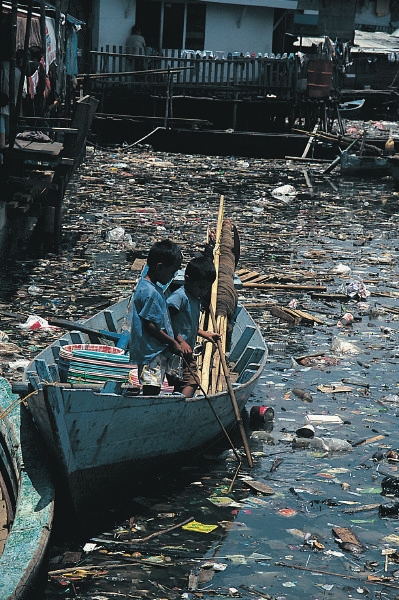
The scale of ocean pollution is staggering. Approximately 70% of marine litter is plastic. The Great Pacific Garbage Patch, a massive accumulation of marine debris, now covers an area roughly three times the size of France. Nutrient pollution from agriculture and wastewater has created over 400 oceanic 'dead zones' globally, covering more than 245,000 square kilometers. Mercury contamination affects over 50% of the world's fisheries, with some species containing levels that pose health risks to humans. The economic cost of ocean pollution is estimated to be at least $80 billion per year, impacting industries such as fishing, tourism, and shipping.
👥 Key People & Organizations
Numerous individuals and organizations are at the forefront of combating ocean pollution. Dr. Sylvia Earle, a renowned marine biologist and explorer, has been a lifelong advocate for ocean conservation, highlighting the threats of pollution through her work with Mission Blue. The Oceana organization actively campaigns for policy changes to reduce plastic production and improve waste management. The Ocean Cleanup, founded by Boyan Slat, develops advanced technologies for removing plastic from rivers and oceans. The Natural Resources Defense Council (NRDC) works on policy solutions to curb industrial and agricultural runoff. International bodies like the UN Environment Programme (UNEP) coordinate global efforts through initiatives like the Clean Seas Campaign. Research institutions such as the Woods Hole Oceanographic Institution provide critical scientific data on pollution impacts and pathways.
🌍 Cultural Impact & Influence
Ocean pollution has profoundly shaped global consciousness and cultural narratives. The pervasive imagery of plastic-choked beaches and entangled marine animals, popularized by documentaries like Blue Planet II, has spurred widespread public concern and activism. This has translated into a surge in demand for sustainable products and a growing movement towards zero-waste lifestyles. The issue has also inspired art, literature, and film, often serving as a stark warning about humanity's impact on the natural world. Brands that embrace eco-friendly practices and actively reduce their plastic footprint, such as Patagonia and Lush Cosmetics, have seen increased consumer loyalty. Conversely, companies perceived as major polluters face significant reputational damage and calls for boycotts, demonstrating the potent influence of public opinion on corporate behavior and environmental policy.
⚡ Current State & Latest Developments
The current state of ocean pollution is one of escalating crisis, yet also burgeoning innovation. In 2023, the United Nations adopted a historic treaty to combat plastic pollution, a significant step towards global regulation. Simultaneously, advancements in plastic recycling technologies and the development of biodegradable alternatives are gaining traction. However, the sheer volume of legacy plastic already in the environment, coupled with continued production, means the problem persists. Efforts to clean up existing pollution, such as large-scale ocean cleanup initiatives by The Ocean Cleanup, are ongoing but face immense logistical and financial challenges. The increasing frequency and intensity of extreme weather events, exacerbated by climate change, also contribute to pollution by washing more debris into waterways. Monitoring technologies, including satellite imagery and AI-driven analysis, are improving our ability to track pollution sources and impacts.
🤔 Controversies & Debates
The debate surrounding ocean pollution is multifaceted and often contentious. A primary point of contention is the responsibility for cleanup and prevention: should it fall on consumers, corporations, or governments? Critics of large-scale cleanup operations, like those proposed by Boyan Slat, argue they are costly and distract from the more critical need to stop pollution at its source. The effectiveness and feasibility of international treaties, such as the proposed UN Plastic Treaty, are debated, with some arguing they lack sufficient enforcement mechanisms. There's also ongoing scientific discussion about the precise long-term impacts of microplastics and nanoplastics on human health and marine ecosystems, with some studies suggesting more severe consequences than initially understood. The role of geoengineering in mitigating ocean acidification, a related consequence of CO2 pollution, also sparks considerable debate.
🔮 Future Outlook & Predictions
The future outlook for ocean pollution is a critical juncture, with potential pathways ranging from catastrophic degradation to significant recovery. Futurists predict that without drastic intervention, the amount of plastic in the ocean could outweigh fish by 2050, fundamentally altering marine food webs and ecosystems. However, a more optimistic trajectory is possible if global commitments to reduce plastic production, improve waste management infrastructure, and transition to a circular economy are realized. The successful implementation of the UN Plastic Treaty could be a turning point, driving innovation in material science and corporate accountability. Continued investment in advanced cleanup technologies and nature-based solutions, such as restoring mangrove forests and coral reefs, may also play a crucial role in mitigating existing pollution and enhancing ecosystem resilience. The development of novel materials and closed-loop manufacturing processes will be key to preventing future contamination.
💡 Practical Applications
While direct 'application' of ocean poll
Key Facts
- Category
- nature
- Type
- topic