
Contents
Overview
The genesis of parkrun can be traced back to a crisp autumn morning on October 2, 2004, at Bushy Park in Teddington, London. Paul Sinton-Hewitt, then a keen runner, initiated the Bushy Park Time Trial with 13 friends, aiming to create a low-key, accessible running event. The concept quickly gained traction, evolving into the UK Time Trials network before being rebranded as parkrun in 2008. This rebranding coincided with its first international expansion, launching in Zimbabwe that same year. The model proved replicable, with Denmark following in 2009, and South Africa and Australia joining in 2011. By 2012, the movement had reached the United States, marking a significant step in its global ambition. Sinton-Hewitt's dedication was recognized in 2014 when he was appointed CBE for his contributions to grassroots sports, underscoring parkrun's impact beyond just running.
⚙️ How It Works
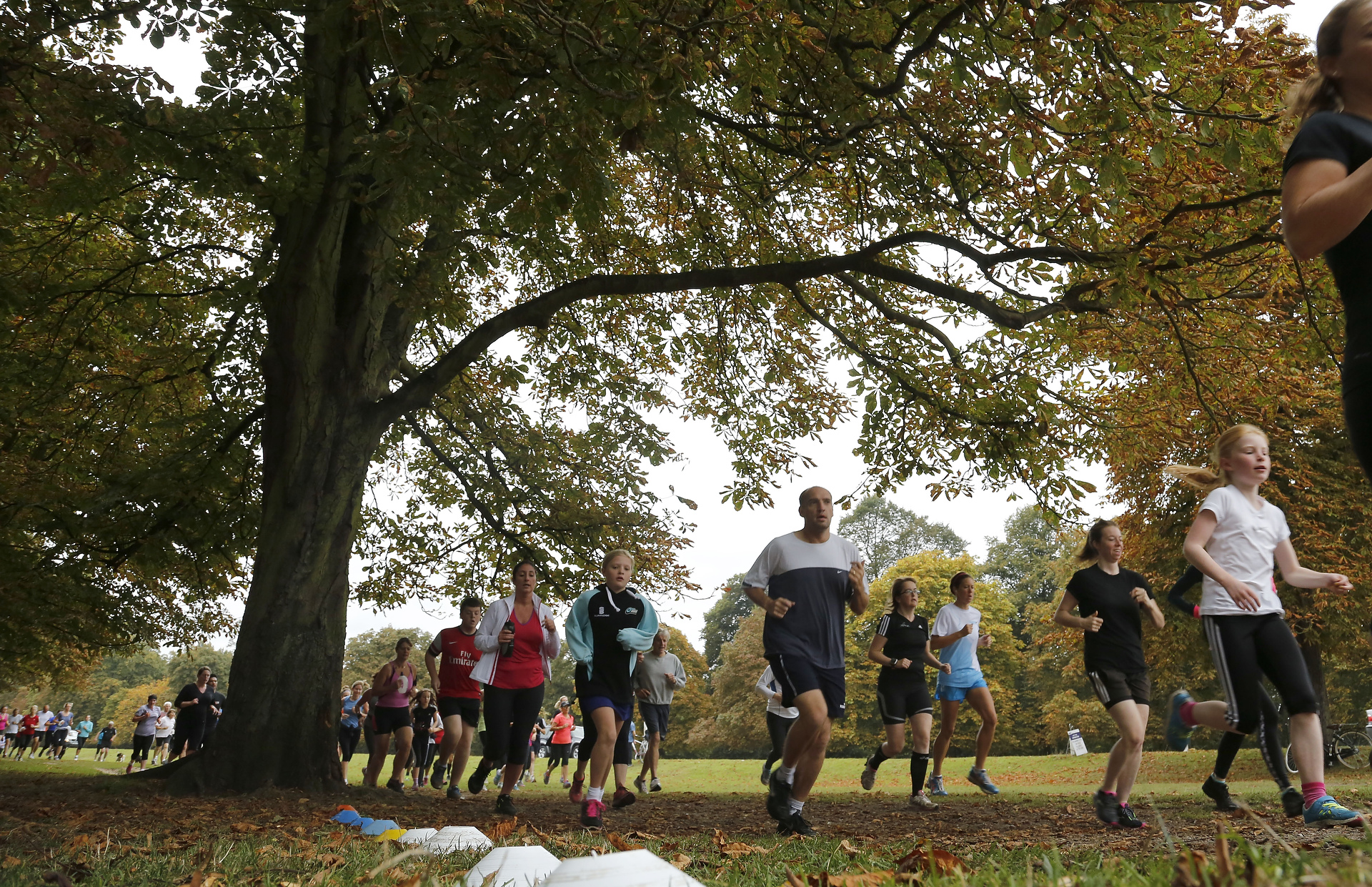
parkrun operates on a remarkably simple yet effective model: a weekly, timed 5K run or walk held in a public park or open space. Each event is managed by a core team of local volunteers, typically numbering around 20-30 individuals per event, who handle everything from course setup and timing to registration and post-event processing. Participants register once for free on the parkrun website, receiving a unique barcode. This barcode is scanned at the finish line, allowing the volunteer team to record each participant's time and position. The results are then uploaded to the parkrun database, providing participants with their personal run history and statistics. This volunteer-led, digitally-enabled system ensures consistency and scalability across thousands of locations worldwide, emphasizing community participation over competition.
📊 Key Facts & Numbers
The scale of parkrun is staggering. As of late 2023, over 10 million people are registered worldwide. parkrun events are held in over 2,000 locations across 23 countries, with more than 500 events taking place in the UK alone each week. On an average Saturday, over 200,000 participants cross the finish line, and more than 25,000 unique volunteers dedicate their time. The cumulative number of runs completed since inception is well over 200 million. The organization itself operates as a not-for-profit entity, funded through a combination of grants, donations, and partnerships, with a stated aim to make free, accessible events available in every community.
👥 Key People & Organizations
At the heart of parkrun is its founder, Paul Sinton-Hewitt, whose vision sparked the global movement. While Sinton-Hewitt remains a pivotal figure, the operational success hinges on countless local volunteer event directors and teams. Organizations like the National Trust in the UK have partnered with parkrun, providing access to their land and supporting event establishment. The parkrun Global Limited entity oversees the international operations and technology infrastructure, ensuring brand consistency and supporting new event launches. While not a formal organization, the collective body of parkrun participants, often referred to as the 'parkrun community,' represents a vast, decentralized network of individuals united by their shared experience.
🌍 Cultural Impact & Influence
parkrun's cultural impact extends far beyond the running community. It has demonstrably increased physical activity levels, particularly among demographics who might not typically engage in organized sport. The events have become significant social hubs, fostering intergenerational connections and a sense of belonging in local communities. The accessibility of parkrun, welcoming everyone from elite athletes to those pushing prams or walking with friends, has challenged traditional notions of competitive running. Its success has inspired similar initiatives in other sectors, demonstrating the power of a simple, volunteer-driven model for community engagement. The iconic yellow volunteer vests have become a recognizable symbol of accessible, community-led activity worldwide.
⚡ Current State & Latest Developments
In 2024 and beyond, parkrun continues its steady expansion, with a focus on reaching underserved communities and increasing participation in countries where it has a smaller footprint. The organization is investing in its digital platforms, enhancing the participant experience through improved website and app functionalities. There's also an ongoing effort to diversify the volunteer base and ensure the long-term sustainability of events. parkrun has also been exploring partnerships with healthcare providers, aiming to integrate parkrun participation into public health strategies. The recent introduction of junior parkruns (2km events for children aged 4-14) further signals a commitment to engaging younger generations and families.
🤔 Controversies & Debates
Despite its overwhelmingly positive reception, parkrun isn't without its critics or points of contention. Some debates center on the use of public spaces, with occasional concerns raised by local authorities or other park users regarding crowd management and environmental impact, particularly at larger events. The 'volunteer' aspect, while core to parkrun's ethos, has sometimes been questioned regarding the sustainability of relying solely on unpaid labor for such a large-scale operation. Furthermore, while parkrun aims for inclusivity, discussions persist about how to best cater to individuals with disabilities or those facing significant mobility challenges, ensuring true accessibility for all. The sheer popularity has also led to overcrowding at some iconic locations, prompting discussions about managing demand.
🔮 Future Outlook & Predictions
The future trajectory for parkrun appears to be one of continued, measured global growth. The organization has expressed ambitions to establish events in every country, a long-term goal that will require sustained effort and strategic partnerships. Expect to see further integration with health and wellness initiatives, potentially positioning parkrun as a key component of preventative healthcare strategies. Technological advancements will likely play a larger role, perhaps through enhanced data analytics for event organizers or more personalized participant experiences. The core mission, however, remains steadfast: to create a healthier, happier planet by encouraging people to get active together in their local parks.
💡 Practical Applications
parkrun's primary practical application is as a readily accessible, free platform for improving physical and mental well-being. It serves as a low-barrier entry point for individuals looking to start running, walking, or simply engage in regular physical activity. For existing runners, it provides a consistent opportunity to track progress, maintain fitness, and connect with a like-minded community. Beyond individual health, parkrun events function as de facto community gatherings, strengthening social bonds and fostering civic pride. Many local authorities and public health bodies now recognize parkrun as a valuable community asset, integrating it into local strategies for promoting active lifestyles and social cohesion. The volunteer roles also offer practical experience in event management, leadership, and teamwork.
Key Facts
- Category
- movements
- Type
- movement