
Contents
Overview
Released on August 5, 1967, 'Piper at the Gates of Dawn' is Pink Floyd's debut album, marking a pivotal moment in the evolution of psychedelic rock. The album, heavily influenced by the avant-garde and British counterculture, features the iconic songwriting of Syd Barrett, whose whimsical and surreal lyrics set a tone that would define the band's early sound. Tracks like 'Astronomy Domine' and 'Interstellar Overdrive' showcase innovative studio techniques and a departure from traditional song structures, pushing the boundaries of what rock music could achieve. The album's legacy is felt in its lasting impact on both the genre and the band's trajectory, as it laid the groundwork for their later masterpieces. As we explore its cultural resonance, we must consider how Barrett's mental health struggles and the band's subsequent evolution shaped the narrative of Pink Floyd's history.
🚀 The Essential Experience
The Piper at the Gates of Dawn isn't just an album; it's a portal. Released in 1967, it's the definitive statement of early Pink Floyd under the singular vision of Syd Barrett. For fans of psychedelic rock, experimental music, and the genesis of progressive sounds, this is non-negotiable listening. It captures a specific, fleeting moment in London's counterculture, a blend of childlike wonder and cosmic exploration that remains potent. This is where the seeds of so much that followed were sown, before the band’s soundscapes grew darker and more expansive.
🎶 Sonic Blueprint: What to Expect
Musically, expect a wild ride. The album swings from the whimsical, nursery-rhyme-esque "Astronomy Domine" to the avant-garde sound collages of "Interstellar Overdrive" and the surprisingly pop-sensible "See Emily Play" (though this was a non-album single, its spirit permeates). Barrett's guitar work is often playful and distorted, Richard Wright's keyboards swirl with otherworldly textures, and the rhythm section of Roger Waters and Nick Mason provides a surprisingly solid, if sometimes unhinged, foundation. It's a sonic palette that feels both innocent and deeply strange.
💡 Syd Barrett's Psychedelic Reign
This album is inextricably linked to Syd Barrett. As the primary songwriter and creative force, Barrett's unique lyrical and musical perspective defines Piper. His whimsical, often surreal lyrics, combined with his innovative guitar techniques and vocal delivery, created a sound that was utterly original. This was the peak of his creative output before his struggles with mental health and drug use led to his departure from the band. Understanding Piper is understanding Barrett's genius at its zenith.
🌟 Critical Reception & Legacy
Upon release, Piper was met with critical acclaim, particularly within the burgeoning psychedelic scene. It charted at number 6 in the UK, a significant achievement for an experimental debut. While its influence on subsequent psychedelic and progressive rock is undeniable, its initial commercial impact was overshadowed by later Pink Floyd successes. However, its reputation has only grown, consistently appearing on 'greatest albums of all time' lists and revered by musicians and critics alike as a foundational work of psychedelic music.
🎛️ Production & Studio Wizardry
Recorded at EMI Studios (now Abbey Road Studios) between February and July 1967, Piper showcases the innovative studio techniques of the era. Producer Norman Smith, a veteran of The Beatles' sessions, helped the band translate their live, improvisational energy into the studio. Techniques like tape loops, backwards recording, and extensive use of effects pedals were employed to create the album's distinctive, otherworldly sound. The raw, experimental spirit of the band was captured with remarkable clarity.
💿 Discography & Variations
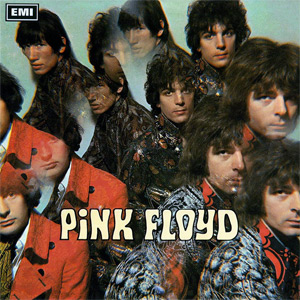
The original UK vinyl release is the definitive version, featuring the iconic artwork by Vicki Vegetal. Later CD and digital reissues often include bonus tracks, typically the non-album singles "Arnold Layne" and "See Emily Play," as well as alternate takes. The 2016 box set The Early Years 1965–1972 includes extensive material from this period, offering further context. Be mindful of different mixes and bonus content when choosing your format.
🤔 Why It Still Matters Today
Why does Piper still resonate decades later? It represents a moment of pure, unadulterated creative freedom before the pressures of fame and the band's internal dynamics shifted. It’s a testament to the power of youthful experimentation and the unique spark of Syd Barrett. The album’s blend of childlike wonder, cosmic exploration, and sonic invention feels timeless. It’s a reminder that groundbreaking music can emerge from playful experimentation and a willingness to push boundaries, influencing countless artists across genres.
🚀 Where to Go Next
If The Piper at the Gates of Dawn ignites your curiosity, your next steps are clear. Explore the rest of Pink Floyd's early work, particularly live recordings from the UFO Club era. Delve into the solo work of Syd Barrett, such as his albums The Madcap Laughs and Barrett. For a broader context, investigate other seminal psychedelic albums from 1967, like The Beatles' Sgt. Pepper's Lonely Hearts Club Band or The Jimi Hendrix Experience's Are You Experienced.
Key Facts
- Year
- 1967
- Origin
- United Kingdom
- Category
- Music
- Type
- Album
Frequently Asked Questions
Who was Syd Barrett and what was his role in Pink Floyd?
Syd Barrett was a founding member, lead guitarist, and primary songwriter for Pink Floyd in their early years. He was the creative force behind their debut album, The Piper at the Gates of Dawn, shaping its unique psychedelic sound and lyrical themes. His tenure was brief, ending in 1968 due to deteriorating mental health, but his influence on the band's initial direction is immense.
What makes this album 'psychedelic'?
The album is considered psychedelic due to its experimental soundscapes, use of studio effects like tape loops and backwards recording, surreal and often nonsensical lyrics, and improvisational elements, particularly in tracks like 'Interstellar Overdrive'. It aimed to replicate or enhance the experience of altered states of consciousness, a hallmark of the psychedelic movement.
Is 'Interstellar Overdrive' a song or just noise?
'Interstellar Overdrive' is a prime example of psychedelic improvisation. It's largely an instrumental piece built around a repeating guitar riff, with extensive use of electronic effects and free-form jamming by the band. While it might sound chaotic to some, it was a groundbreaking exploration of extended instrumental passages and sonic textures that pushed the boundaries of rock music.
What's the difference between the UK and US versions of the album?
The original US release by Tower Records (a subsidiary of Capitol Records) significantly altered the tracklist. It removed 'Astronomy Domine' and 'Flaming' and added the singles 'Arnold Layne' and 'See Emily Play', along with 'Flaming' being replaced by 'Apples and Oranges'. The UK version is generally considered the definitive and original artistic statement.
How did this album influence later music?
Piper is a cornerstone of psychedelic and early progressive rock. Its adventurous sonic experimentation, blending of pop sensibilities with avant-garde ideas, and Barrett's unique lyrical style influenced countless bands. It demonstrated that rock music could be artful, experimental, and deeply personal, paving the way for more ambitious musical explorations.
Are there any live recordings from this era available?
Yes, extensive live recordings from the 1966-1967 period, featuring Syd Barrett's Pink Floyd, are available through various archival releases, most notably within the The Early Years 1965–1972 box set. These recordings capture the raw energy and improvisational nature of their legendary performances at venues like the UFO Club.