
Contents
Overview
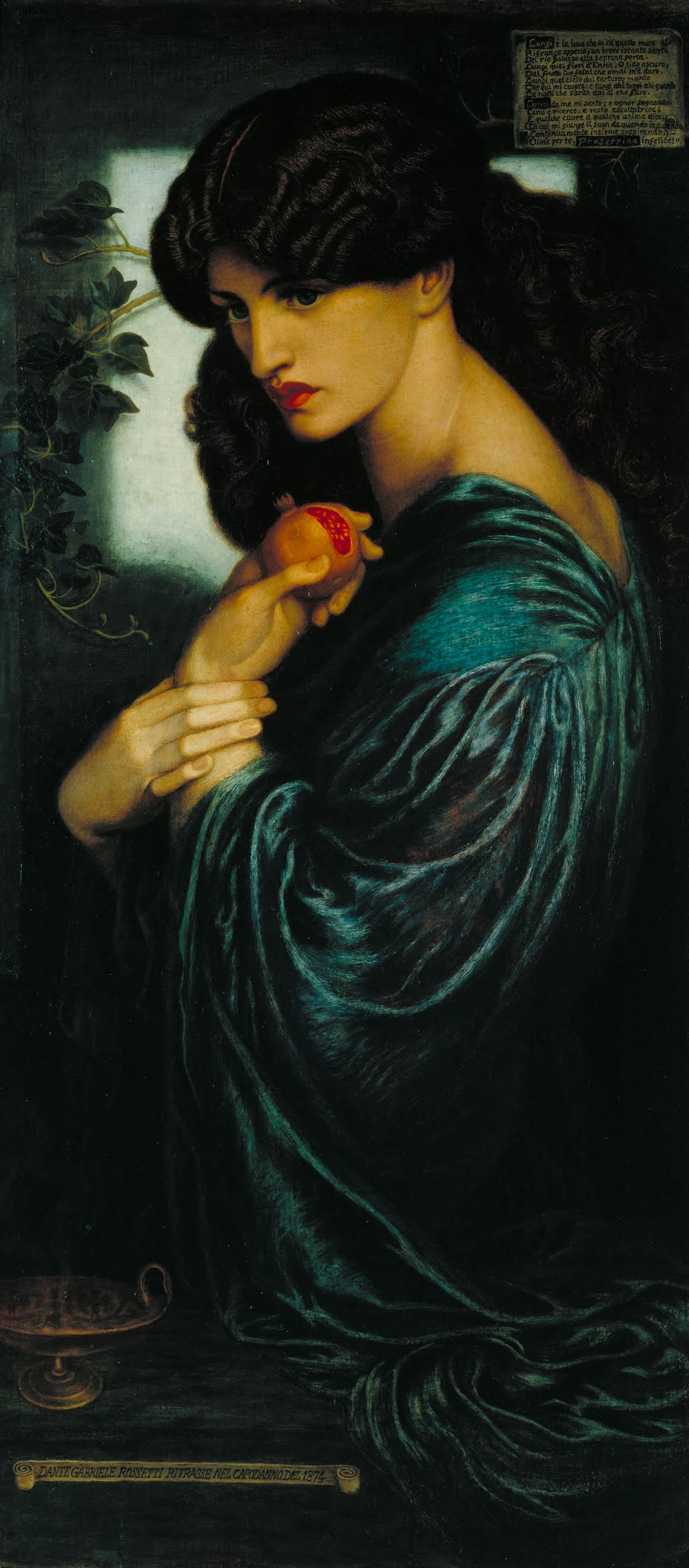
The Pre-Raphaelite Brotherhood (PRB) was a radical art movement founded in London in 1848 by seven young English artists and writers, including Dante Gabriel Rossetti, John Everett Millais, and William Holman Hunt. Reacting against what they perceived as the sterile, academic conventions of the Royal Academy and the perceived decline in artistic integrity after the High Renaissance masters like Raphael, the PRB championed a return to the intense detail, vibrant colors, and complex compositions of early Italian Renaissance art, particularly the Quattrocento period (15th century). Their early works, characterized by meticulous realism and often allegorical or literary themes, initially shocked the art establishment but eventually profoundly influenced subsequent generations of artists and designers, laying groundwork for movements like Arts and Crafts. The Brotherhood's influence extended beyond painting, impacting poetry and criticism, and its core tenets of truth to nature and sincerity in art continue to resonate.
🎵 Origins & History
The Pre-Raphaelite Brotherhood burst onto the Victorian art scene in 1848, a year of widespread European revolution, with a manifesto published in their own journal, The Germ. Seven founding members—Dante Gabriel Rossetti, John Everett Millais, William Holman Hunt, William Michael Rossetti, James Collinson, Thomas Woolner, and Frederic George Stephens—formed the core group, inspired by the earlier German Nazarene movement's religious fervor and return to medieval art. They vowed to reject the prevailing academic style, which they felt had become formulaic and artificial since the time of Raphael and Michelangelo. Instead, they sought to emulate the detailed observation of nature and the rich, unmixed colors found in the art of artists like Giotto and Fra Angelico. Their early works were often signed 'PRB' to signify their allegiance, a mark that would soon become both notorious and celebrated.
⚙️ How It Works
The PRB's artistic methodology was rooted in a commitment to intense realism and symbolic depth. They famously eschewed the traditional practice of working from sketches and studio models, instead painting directly from nature, often outdoors, to capture the precise effects of light and color. This resulted in canvases filled with an astonishing level of detail, from the texture of fabric to the veins on a leaf, often rendered with a luminous, jewel-like palette. Their subject matter frequently drew from literature, poetry, and medieval legends, imbuing these narratives with a modern psychological intensity. The Brotherhood also aimed to infuse their art with moral earnestness and spiritual sincerity, a stark contrast to the perceived superficiality of contemporary academic painting. This approach was not merely stylistic; it was a philosophical stance against industrialization and the perceived spiritual malaise of the Victorian era.
📊 Key Facts & Numbers
The Pre-Raphaelite Brotherhood's impact, though initially controversial, was significant. Their first major public exhibition in 1849 at the Royal Academy featured works like Millais's Isabella and Hunt's A Florentine Merchant's Wife, which garnered mixed reviews but sparked intense debate. The movement's influence peaked in the late 1850s and 1860s, with later figures like Edward Burne-Jones and William Morris carrying its aesthetic forward. Today, major works by the PRB are housed in prominent institutions like the Tate Britain and the Victoria and Albert Museum, with individual paintings fetching millions at auction, such as Millais's Ophelia, which sold for £3.1 million in 2017.
👥 Key People & Organizations
The founding members of the PRB were Dante Gabriel Rossetti, a charismatic poet and painter; John Everett Millais, who would become a President of the Royal Academy; William Holman Hunt, the most steadfast adherent to the PRB principles; William Michael Rossetti, an art critic and administrator; James Collinson, a painter who later became a priest; Thomas Woolner, a sculptor; and Frederic George Stephens, who later became an art critic for The Athenaeum. Beyond the core group, influential figures like Ford Madox Brown shared their ideals, while Edward Burne-Jones and William Morris became leading lights of the second wave of Pre-Raphaelitism. The Tate Britain in London holds a significant collection of PRB works, and the Pre-Raphaelite Society continues to promote their legacy.
🌍 Cultural Impact & Influence
The Pre-Raphaelite Brotherhood's impact reverberated far beyond the confines of painting. Their emphasis on detailed craftsmanship and sincerity directly fueled the Arts and Crafts Movement, spearheaded by William Morris, which sought to revive traditional crafts and elevate design in everyday objects. The movement's aesthetic, with its rich colors, intricate patterns, and literary themes, also influenced book illustration, textile design, and even early Art Nouveau styles. Poets like Christina Rossetti (Dante Gabriel's sister) and Algernon Charles Swinburne were associated with the PRB's literary wing, contributing to The Germ and exploring similar themes of beauty, nature, and medieval romance. The Brotherhood's dedication to capturing intense emotional states and complex narratives also paved the way for later Symbolist and Aesthetic movements across Europe.
⚡ Current State & Latest Developments
While the original Brotherhood dissolved by the mid-1850s, its aesthetic and philosophical principles continue to find expression and appreciation. Contemporary artists and designers still draw inspiration from the PRB's commitment to meticulous detail, vibrant color, and narrative depth. Online communities and art historians actively engage with PRB works, with digital archives and virtual exhibitions making their art accessible globally. Exhibitions dedicated to the Brotherhood, such as those held at the Tate Britain or the Ashmolean Museum, consistently draw large crowds, indicating a sustained public fascination. Furthermore, the influence of Pre-Raphaelite aesthetics can be seen in modern fantasy art, graphic novels, and even fashion, demonstrating the enduring appeal of their romantic and detailed vision.
🤔 Controversies & Debates
The PRB faced immediate and fierce criticism upon its inception. Critics like Charles Dickens lambasted their early works, particularly Millais's Christ in the House of His Parents (1850), deeming it "grotesque" and "unlovely." The intense realism was seen by some as a deliberate affront to idealized beauty, and the use of unmixed colors was criticized as crude. A significant debate also centered on their rejection of Raphael and the High Renaissance masters, whom the establishment considered the pinnacle of artistic achievement. The Brotherhood's association with the poet Algernon Charles Swinburne and his later association with Aestheticism also led to accusations of decadence and immorality. Despite this, the PRB's supporters, including critic John Ruskin, championed their work, arguing for its sincerity and artistic innovation, leading to a protracted public and critical discourse that shaped Victorian art criticism.
🔮 Future Outlook & Predictions
The enduring legacy of the Pre-Raphaelite Brotherhood suggests their principles will continue to inspire artistic creation. Future developments may see further exploration of their thematic concerns through new media, such as digital art and virtual reality, allowing for immersive experiences of their detailed worlds. Academic research will likely continue to uncover new insights into their techniques, influences, and the social context of their work. The ongoing debate about the balance between artistic innovation and tradition, and the role of art in reflecting societal values, ensures that the PRB's challenges to the status quo remain relevant. Furthermore, as global art markets continue to expand, the demand for and appreciation of these historically significant works are likely to persist, potentially driving further scholarly and public interest.
💡 Practical Applications
The Pre-Raphaelite Brotherhood's influence is evident in various practical applications, particularly in design and illustration. Their meticulous attention to detail and vibrant color palettes have been adopted by conte
Key Facts
- Category
- movements
- Type
- topic