
Contents
Overview
Renewable energy storage is the critical infrastructure that captures surplus energy generated from intermittent sources like solar and wind, storing it for later use. This technology bridges the gap between fluctuating energy production and consistent demand, ensuring grid stability and enabling a higher penetration of renewables. Technologies range from electrochemical batteries, such as lithium-ion and flow batteries, to mechanical systems like pumped hydro storage and compressed air energy storage, and even thermal storage. The global energy storage market is experiencing exponential growth, projected to reach hundreds of billions of dollars annually within the next decade, driven by falling costs, policy support, and the urgent need for decarbonization. Without robust storage solutions, the full potential of renewable energy cannot be realized, making it a cornerstone of the global energy transition.
🎵 Origins & History
The concept of storing energy isn't new; humans have stored energy for millennia, from stockpiling firewood to harnessing water wheels. However, the modern era of renewable energy storage truly began with the development of 19th-century electrochemical batteries. This paved the way for their application in grid-scale storage and electric vehicles, fundamentally altering the landscape of renewable energy integration.
⚙️ How It Works
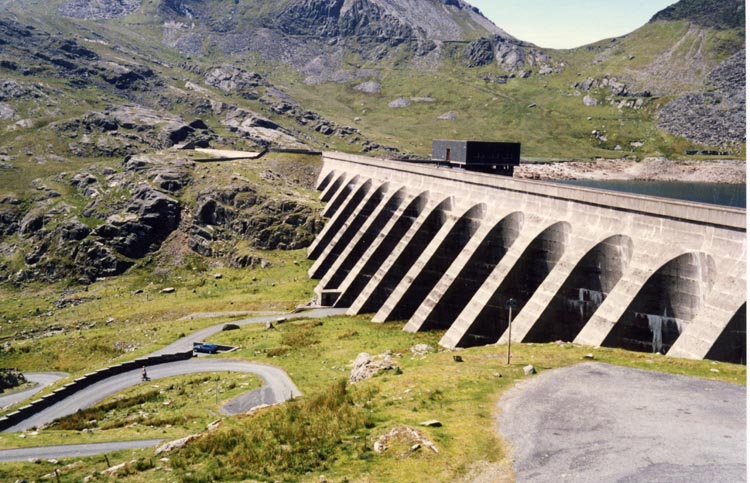
Renewable energy storage systems function by converting electrical energy into a storable form and then reconverting it back to electricity when needed. For lithium-ion batteries, this involves the movement of lithium ions between a cathode and an anode through an electrolyte during charging and discharging cycles. Pumped hydro storage uses electricity to pump water from a lower reservoir to an upper reservoir, storing potential energy. When demand is high, water is released back down through turbines to generate electricity. Compressed air energy storage (CAES) compresses air into underground caverns or tanks, storing energy pneumatically, which is then released to drive turbines. Thermal energy storage systems, like molten salt storage used in concentrated solar power plants, store heat generated from solar collectors for later use in electricity generation.
📊 Key Facts & Numbers
The global energy storage market is on an unprecedented trajectory. Lithium-ion batteries currently dominate the market, with costs falling significantly. Pumped hydro storage still holds the largest share of installed capacity globally, but the rapid growth of battery storage, particularly in regions like China and the United States, is rapidly changing this dynamic.
👥 Key People & Organizations
Numerous individuals and organizations are driving the renewable energy storage revolution. Elon Musk, through Tesla, has been a prominent figure, popularizing battery storage with products like the Powerwall and Megapack, and significantly influencing the electric vehicle market. Companies like Contemporary Amperex Technology Co. Limited (CATL), the world's largest battery manufacturer, and LG Energy Solution are critical players in the supply chain. Copenhagen Infrastructure Partners and Ørsted are actively involved in developing and acquiring large-scale renewable energy projects, including significant storage components. Research institutions like the National Renewable Energy Laboratory (NREL) in the U.S. and Fraunhofer Institutes in Germany are at the forefront of developing next-generation storage technologies.
🌍 Cultural Impact & Influence
Renewable energy storage is fundamentally reshaping our relationship with energy. It's moving us away from a centralized, fossil-fuel-dependent grid towards a more distributed, resilient, and sustainable energy system. The cultural resonance is palpable: the idea of 'energy independence' for homes with Tesla Powerwalls, or entire communities powered by stored solar energy, speaks to a desire for control and sustainability. This shift is influencing urban planning, architectural design (e.g., integrating storage into buildings), and even consumer behavior, fostering a greater awareness of energy consumption patterns. The visual presence of large battery installations, once rare, is becoming increasingly common, symbolizing the tangible progress of the clean energy transition.
⚡ Current State & Latest Developments
The current landscape of renewable energy storage is characterized by rapid innovation and deployment. Tesla continues to expand its Megapack production, while new battery chemistries, such as sodium-ion and solid-state batteries, are nearing commercialization. Copenhagen Infrastructure Partners recently acquired Ørsted's European onshore platform, rebranding it as Perigus Energy, signaling continued investment in renewable assets with integrated storage. Grid operators worldwide are increasingly incorporating battery storage into their planning to manage grid stability and integrate higher percentages of variable renewable energy sources, with projects like the Moss Landing Energy Storage Facility in California, one of the world's largest, coming online.
🤔 Controversies & Debates
The deployment of renewable energy storage is not without its controversies. Concerns about the environmental impact of mining raw materials like lithium and cobalt, essential for lithium-ion batteries, are significant, raising questions about ethical sourcing and recycling. The long-term degradation of battery performance and the challenges of large-scale battery recycling remain critical issues. Furthermore, the siting of large battery storage facilities can face local opposition due to safety concerns, such as the risk of thermal runaway and fires, as seen in incidents involving battery storage projects. Debates also persist regarding the optimal mix of storage technologies and the role of government subsidies versus market-driven deployment.
🔮 Future Outlook & Predictions
The future of renewable energy storage looks incredibly dynamic. Experts predict a continued dramatic decrease in battery costs, potentially making storage competitive with traditional generation sources without subsidies. Solid-state batteries and sodium-ion batteries are poised to offer improved safety, energy density, and potentially lower costs, challenging the dominance of lithium-ion batteries. Long-duration energy storage (LDES) technologies, capable of storing energy for days or weeks, such as flow batteries, green hydrogen storage, and advanced CAES, are expected to play a crucial role in enabling 100% renewable grids. The integration of artificial intelligence and machine learning will optimize storage operations, predicting grid needs and maximizing efficiency.
💡 Practical Applications
Renewable energy storage has a vast array of practical applications. On a residential scale, Tesla Powerwalls and similar systems allow homeowners to store solar energy, reduce electricity bills, and maintain power during grid outages. For utilities, grid-scale battery systems provide essential grid services like frequency regulation, voltage support, and peak shaving, enhancing grid stability and reliability. Electric vehicles (EVs) themselves act as a form of distributed energy storage, with vehicle-to-grid (V2G) technology enabling EVs to feed power back to the grid during peak demand. Industrial facilities are also deploying storage to manage energy costs and ensure uninterrupted operations. Concentrated solar power plants utilize molten salt storage to provide dispatchable solar power even after sunset.
Key Facts
- Category
- technology
- Type
- topic