
Contents
Overview
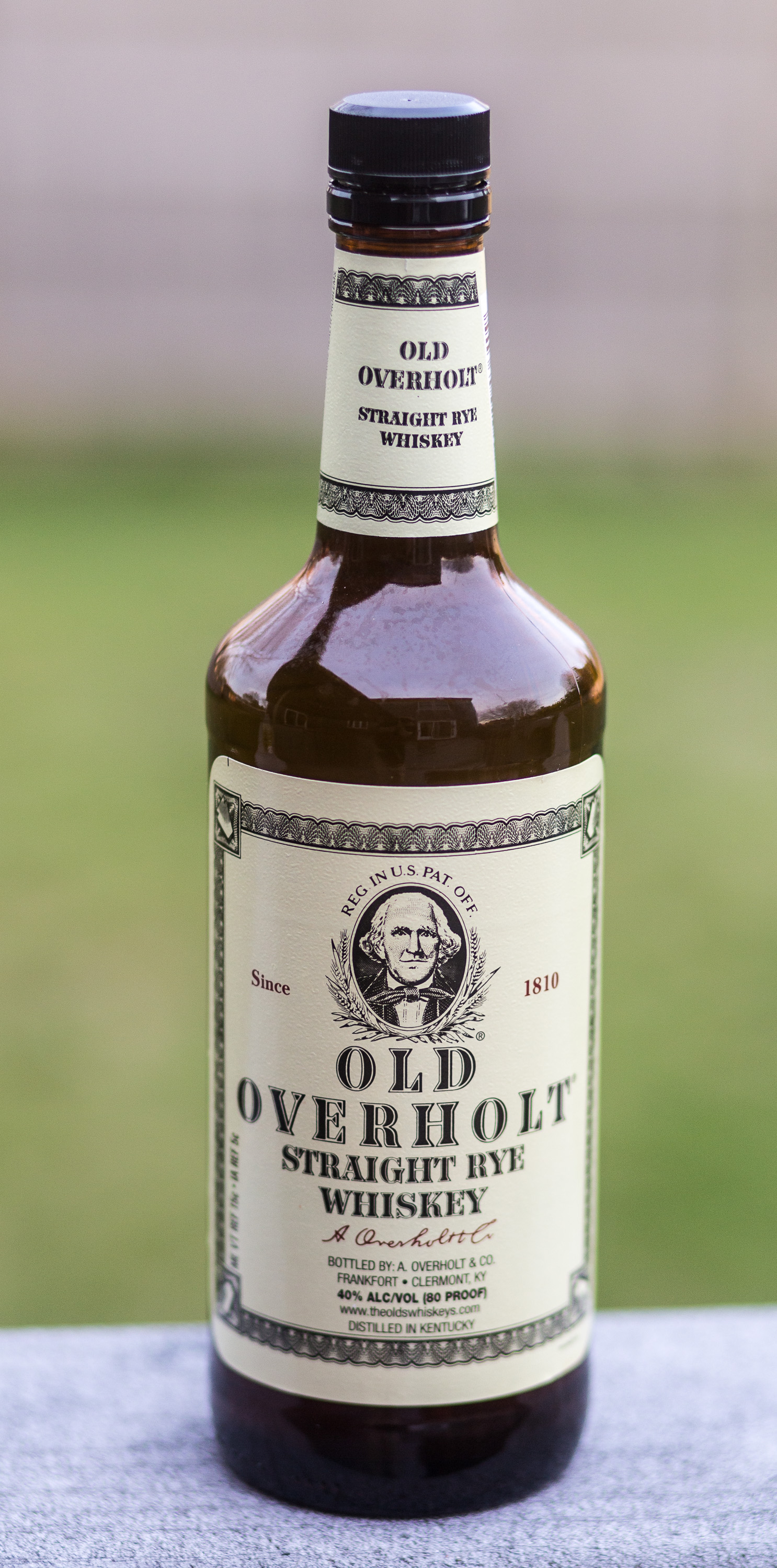
The story of rye whiskey is inextricably linked to the birth of the United States. German and Dutch settlers brought rye cultivation and distillation techniques to North America in the 17th century. By the late 18th century, distillers in Pennsylvania, particularly in the fertile rye-growing regions west of Philadelphia, were producing significant quantities of rye whiskey. Its ability to grow in harsher climates than corn made it ideal for early American farmers. The Whiskey Rebellion of 1791-1794, a protest against a federal excise tax on distilled spirits, was largely fueled by these rye distillers, solidifying rye's association with American independence and frontier spirit. Brands like Old Overholt are among the oldest continuously produced American whiskeys, a testament to rye's enduring legacy. Canadian whisky, often historically referred to as 'rye' due to its early dominance by rye grain, developed separately but shares a similar historical trajectory of being a frontier spirit. However, modern Canadian whisky regulations do not require rye content, leading to a distinct product category.
⚙️ How It Works
At its core, American rye whiskey production follows the same fundamental principles as other whiskeys: fermentation of grains, distillation, and aging. The critical differentiator is the mash bill, which must contain at least 51% rye. The remaining grains can be corn, malted barley, or wheat. After fermentation, the wash is distilled, typically in pot stills or column stills, to a proof no higher than 160 proof (80% ABV). For an American rye whiskey to be labeled as such, it must be aged in new, charred oak containers. If aged for at least two years, it can be labeled as 'Straight Rye Whiskey.' This aging process imparts color, mellows the spirit, and develops complex flavors from the oak, vanillin, and caramelization of sugars. The interaction between the spicy rye grain and the new oak is what defines the characteristic profile of American rye.
📊 Key Facts & Numbers
The American rye whiskey market is experiencing robust growth. Globally, the market is even larger, driven by both American and Canadian production. Over 95% of American rye whiskey is produced in the United States, with Kentucky and Pennsylvania leading production states. The average proof for bottled rye whiskey typically ranges from 80 to 100 proof (40-50% ABV), though barrel-proof bottlings can exceed 120 proof (60% ABV). The number of distilleries producing rye has surged from fewer than 50 in 2000 to over 800 today, reflecting a significant expansion in the craft distilling sector.
👥 Key People & Organizations
Key figures in the history of rye whiskey include distillers like Abraham Overholt, founder of Old Overholt, one of the oldest continuously operating rye distilleries. Jim Beam (born James B. Beam) was instrumental in the revival of bourbon and rye post-Prohibition, though his legacy is more closely tied to bourbon. In the modern era, figures like William LaRue Perry, a master distiller at Buffalo Trace, have been crucial in refining and popularizing contemporary rye expressions. The Distilled Spirits Council of the United States (DISCUS) is a major trade organization representing the industry, advocating for favorable legislation and promoting responsible consumption. Craft distilleries like WhistlePig, founded by Dave Pickering and Raj Bhatia, have also played a significant role in reintroducing high-quality, aged rye to a new generation of consumers.
🌍 Cultural Impact & Influence
Rye whiskey's influence extends far beyond the bar. Historically, it was a vital commodity, used as currency and a means of trade on the American frontier. Its spicy character made it the backbone of classic cocktails like the Sazerac, the Old Fashioned, and the Manhattan, cementing its place in cocktail culture. The resurgence of rye has also fueled a broader appreciation for whiskey history and craft distillation, inspiring a new wave of artisanal spirits. Its distinct flavor profile has even influenced other culinary applications, appearing in recipes for baked goods, sauces, and even ice cream, adding a complex, peppery note. The narrative of rye as a spirit of independence and grit continues to resonate in its marketing and cultural perception.
⚡ Current State & Latest Developments
The current landscape of rye whiskey is marked by innovation and diversification. While traditional, high-rye mash bills remain popular, distillers are experimenting with lower rye percentages, different aging techniques (e.g., finishing in wine or sherry casks), and sourcing grains from diverse regions. The craft distilling movement continues to churn out new expressions, often with unique mash bills and single-barrel offerings. There's also a growing interest in heritage rye varieties and heirloom grains. The global market is expanding, with increasing export of American rye to markets in Europe and Asia. Major producers like Heaven Hill and Wild Turkey continue to be significant players, while smaller craft distilleries are carving out niches with distinctive products. The rise of rye-focused bars and tasting events further indicates its growing prominence.
🤔 Controversies & Debates
One of the most persistent debates surrounding rye whiskey centers on the definition of 'Canadian Rye.' While historically associated with rye grain, modern Canadian whisky regulations allow for a wide range of grains, and many 'rye' whiskies contain little to no actual rye. This has led to criticism from purists and confusion among consumers. Another point of contention is the increasing prevalence of sourced whiskey, where distilleries bottle spirits distilled elsewhere, sometimes without full transparency about the original producer. Furthermore, the definition of 'straight rye whiskey' and its aging requirements are sometimes debated in the context of rapid craft production and the desire for quicker market entry. The balance between tradition and innovation, particularly regarding mash bills and aging, remains a constant discussion point.
🔮 Future Outlook & Predictions
The future of rye whiskey appears bright, with continued growth projected. We can anticipate further experimentation with mash bills, including the use of heritage rye varietals and alternative grains like spelt or buckwheat. Aging techniques will likely become more sophisticated, with a greater emphasis on cask finishing and unique wood treatments. The global market is expected to expand, with more international distilleries potentially producing rye-style whiskies. Expect to see more single-barrel and limited-edition releases, catering to the enthusiast market. The debate over Canadian 'rye' will likely persist, potentially leading to clearer labeling standards or distinct sub-categories. The overall trend points towards greater complexity, diversity, and a deeper appreciation for the spirit's unique character.
💡 Practical Applications
Rye whiskey's primary application is as a standalone sipping spirit, appreciated for its complex flavor profile. However, its true versatility shines in cocktails. It is the foundational spirit for iconic drinks such as the Sazerac, invented in New Orleans, which traditionally uses Peychaud's Bitters and absinthe rinse. The Old Fashioned is another classic where rye's spice cuts through the sweetness of sugar and bitters. In a Manhattan, rye's robust character stands up to the sweetness of vermouth and Angostura bitters. Beyond cocktails, rye whiskey is increasingly used in culinary applications, adding depth to sauces, marinades, and baked goods. Its bold flavor can also be incorporated into desserts, such as rye whiskey ice cream or cakes, offering a sophisticated adult twist.
Key Facts
- Category
- culture
- Type
- topic