
Contents
Overview
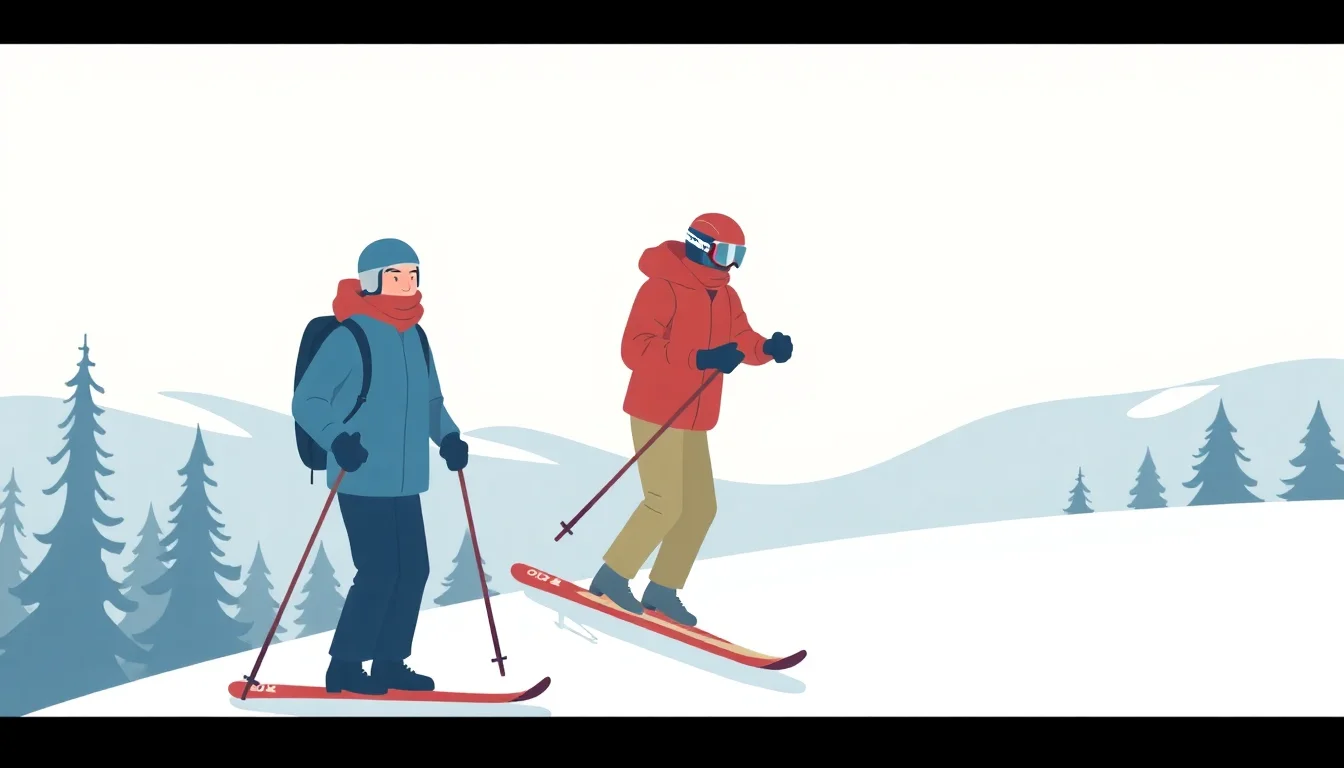
Ski instructors are professionals dedicated to teaching individuals the techniques and safety protocols of skiing and snowboarding. They operate in diverse environments, from beginner-friendly bunny hills to challenging backcountry terrain, adapting their methods to suit all ages and skill levels. Globally, the profession is often regulated by national associations like the Professional Ski Instructors of America and American Association of Snowboard Instructors (PSIA-AASI) in the US, which sets certification standards and educational materials for disciplines including alpine skiing, snowboarding, telemark, cross-country, and para-alpine skiing. These instructors are crucial for the snow sports industry, not only imparting technical skills but also fostering a love for the mountains and ensuring a safe, enjoyable experience on the snow. Their role extends beyond mere instruction, encompassing risk management, equipment knowledge, and understanding snow conditions, making them vital conduits between the sport and its participants.
🎵 Origins & History
Ski instructors operate by breaking down complex movements into manageable steps, utilizing a progression of drills and exercises tailored to the learner's ability. For beginners, this often starts with familiarization on flat ground, progressing to gentle slopes for basic stance, balance, and stopping techniques (like the snowplow or wedge). As skiers improve, instructors introduce turning, edge control, and speed management, often employing visual aids, demonstrations, and verbal cues. For snowboarders, the process involves mastering balance on one foot, linking turns, and controlling speed. Advanced instruction can include off-piste techniques, moguls, park riding, and avalanche safety for backcountry excursions, requiring instructors to possess deep knowledge of terrain, snow science, and risk assessment, often certified by organizations like the American Avalanche Association.
⚙️ How It Works
Seasonal employment is common for ski instructors.
📊 Key Facts & Numbers
Key organizations shaping the profession include the Professional Ski Instructors of America and American Association of Snowboard Instructors (PSIA-AASI), which sets the benchmark for instructor certification in the US. Prominent figures in ski instruction history include Hannes Schneider, credited with developing the Arlberg technique. Many resorts, such as Whistler Blackcomb in Canada and Courchevel in France, employ thousands of instructors during peak season, forming significant local employment hubs.
👥 Key People & Organizations
Ski instructors are pivotal in shaping the public's perception and engagement with snow sports. They act as ambassadors for the mountain lifestyle, fostering not just athletic skills but also an appreciation for the alpine environment and safety consciousness. Their influence extends to equipment manufacturers, as feedback from instructors often informs product development for skis, boots, and apparel. The success of resorts often hinges on the quality of their instructional programs, directly impacting visitor satisfaction and return rates. Furthermore, instructors play a role in promoting inclusivity, with specialized programs for adaptive skiers and snowboarders, broadening access to winter recreation for individuals with disabilities.
🌍 Cultural Impact & Influence
The snow sports instruction industry is currently navigating a dynamic landscape influenced by climate change, technological advancements in equipment, and evolving consumer expectations. Resorts are increasingly investing in digital platforms for booking lessons and providing virtual training resources. There's a growing emphasis on sustainability and environmental stewardship among instructors, who are often on the front lines of observing climate impacts. The demand for specialized instruction, such as freestyle, backcountry touring, and adaptive skiing, continues to rise. Post-pandemic, there's also a renewed focus on outdoor activities, potentially boosting demand for lessons, though staffing shortages remain a persistent challenge for many resorts.
⚡ Current State & Latest Developments
A persistent debate revolves around the standardization versus regional variation of teaching methodologies. While organizations like PSIA-AASI aim for national consistency, local terrain, snow conditions, and cultural nuances can lead to distinct teaching styles. Another controversy concerns the economic viability of the profession; many instructors, particularly those starting out, face low wages and precarious seasonal employment, leading to high turnover rates. The increasing commercialization of resorts and the pressure to maximize lesson bookings can also create tension between pedagogical goals and business objectives. Furthermore, the debate over the effectiveness and necessity of specific certification levels, and whether they truly correlate with teaching quality, is ongoing within professional circles.
🤔 Controversies & Debates
The future of ski instruction is likely to be shaped by further technological integration, including AI-powered feedback systems and virtual reality training modules. As climate change impacts snow seasons, instructors may need to adapt by teaching in new regions or focusing on shoulder seasons and alternative mountain activities. There's also a projected increase in demand for specialized certifications, particularly in areas like backcountry safety and adaptive instruction, driven by a growing interest in off-piste adventures and inclusive recreation. The professionalization of the role may continue, with greater emphasis on continuous education and career development pathways, potentially leading to higher earning potential and improved job security for highly qualified instructors, as envisioned by organizations like the International Ski Instructors Association (ISIA).
🔮 Future Outlook & Predictions
Ski instructors are primarily employed by ski resorts to teach skiing and snowboarding to individuals of all ages and skill levels. Beyond resort-based instruction, many work as private coaches for elite athletes or families, or lead guided backcountry tours. They are also instrumental in developing curriculum and training materials for snow sports education associations. Some instructors leverage their expertise to work in equipment testing and development for brands like Salomon or Atomic, while others transition into resort management, snow safety roles, or even start their own specialized ski schools. Their skills in communication, risk management, and pedagogy are transferable to various outdoor and educational fields.
💡 Practical Applications
For those interested in the mechanics of ski instruction, exploring the PSIA-AASI's technical manuals and certification pathways offers deep insight. The history of skiing itself, from its origins in Scandinavia to its development as a sport and recreational activity, provides crucial context. Understanding snow science and avalanche safety, often taught by advanced ski instructors, is vital for anyone venturing in
Key Facts
- Category
- culture
- Type
- topic