
Contents
Overview
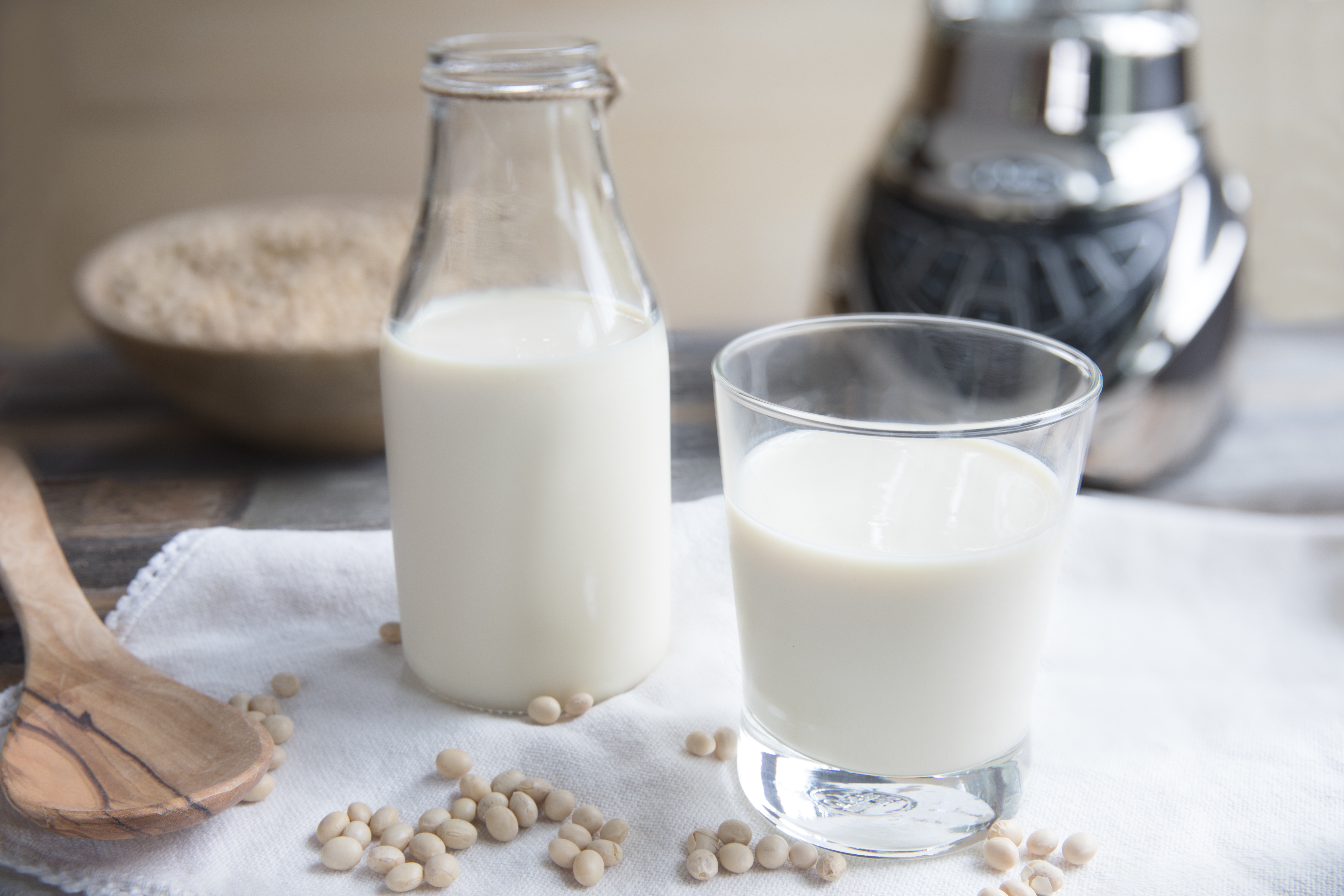
The genesis of soy milk is firmly rooted in China. Initially, it wasn't a beverage but a byproduct of tofu manufacturing, a process refined by Buddhist monks who sought plant-based protein sources. The liquid extracted from cooked soybeans provided a nutritious base that was eventually consumed directly. Its journey westward was a slow burn, gaining traction in Europe and North America primarily in the mid-to-late 20th century, spurred by improved processing technologies developed by companies like Vitasoy International Holdings Limited and later by Western food corporations seeking to capitalize on growing demand for vegan and lactose-free alternatives. Early iterations often faced criticism for their distinct beany flavor, a hurdle that subsequent innovations in deodorization and flavor masking, often involving enzymes or specific soybean varieties, worked to overcome.
⚙️ How It Works
The creation of soy milk is a straightforward yet precise process. Dried soybeans are first soaked, typically for several hours or overnight, to rehydrate and soften them. These softened beans are then ground with water, forming a slurry. This slurry is subsequently heated, usually by boiling, to cook the soybeans, deactivate enzyme inhibitors, and extract the soluble components. The crucial step of filtration follows, where the cooked mixture is strained through fine mesh or cloth to separate the liquid (soy milk) from the solid pulp, known as okara. The resulting liquid is a stable emulsion, rich in protein and oil, which can be consumed as is or further processed. Fortification with vitamins and minerals like calcium, vitamin D, and vitamin B12 is common, especially in Western markets, to enhance its nutritional profile and make it a more direct substitute for dairy milk.
📊 Key Facts & Numbers
Globally, soy milk production is a significant agricultural and food industry sector. The Asia-Pacific region, particularly China, remains a major consumer and producer. Per capita consumption varies widely, but in some Asian countries, it can exceed 20 liters per person annually. The protein content in unsweetened soy milk typically ranges from 7-9 grams per 8-ounce (240 ml) serving, comparable to cow's milk, while fat content can range from 4-5 grams.
👥 Key People & Organizations
While no single individual is credited with "inventing" soy milk, its popularization in the West owes much to pioneers in food technology and entrepreneurship. Companies like Silk Soymilk have been at the forefront of making soy milk a household name, with significant market penetration since the late 1990s. Research institutions and universities, such as the University of Illinois, have also played a role in advancing soybean processing and nutritional understanding. Major players in the global soy milk market include Archer Daniels Midland, Wilmar International, and Inner Mongolia Yili Industrial Group.
🌍 Cultural Impact & Influence
Soy milk's cultural footprint is vast, extending far beyond its nutritional benefits. It has become a symbol of dietary choice, aligning with movements towards plant-based diets, ethical consumerism, and environmental sustainability. Its widespread availability has normalized non-dairy alternatives, challenging the long-held dominance of dairy products in many global cuisines. In East Asian cultures, soy milk remains a traditional breakfast staple, often consumed hot with savory or sweet accompaniments. The rise of soy milk has also influenced the food industry, prompting innovation in dairy-free product development and marketing, making vegan and allergen-friendly options more accessible and appealing to a broader audience, including those without dietary restrictions.
⚡ Current State & Latest Developments
The soy milk market is dynamic, with ongoing innovation focused on taste, texture, and nutritional enhancement. In 2024, there's a notable trend towards "clean label" products, with consumers seeking fewer artificial ingredients and simpler formulations. Companies are also exploring novel soybean varieties with reduced beany notes and improved protein profiles. The competitive landscape is intensifying, not just from other plant-based milks like almond milk and oat milk, but also from advancements in cultured dairy and precision fermentation technologies that aim to replicate dairy's properties more closely. Regulatory scrutiny regarding labeling and health claims also continues to shape market strategies, particularly concerning the term "milk" itself.
🤔 Controversies & Debates
The debate surrounding soy milk is multifaceted, often centering on health and environmental concerns. Historically, concerns about phytoestrogens (isoflavones) and their potential impact on hormone levels, particularly in men and women undergoing reproductive changes, have been prominent. However, extensive research, including meta-analyses published in journals like the American Journal of Clinical Nutrition, has largely concluded that moderate consumption of soy milk is safe and may even offer health benefits, such as reduced risk of certain cancers and improved cardiovascular health. Soy cultivation's potential for deforestation is often weighed against the lower greenhouse gas emissions and land use compared to dairy farming. The use of genetically modified organisms (GMOs) in soy cultivation also remains a point of contention for some consumers.
🔮 Future Outlook & Predictions
The future of soy milk appears robust, driven by sustained consumer interest in plant-based alternatives and increasing awareness of the environmental impact of traditional agriculture. Innovations in processing may lead to soy milk with even more neutral flavors and improved mouthfeel, further blurring the lines with dairy milk. We can anticipate a continued diversification of soy-based products, including enhanced protein formulations for athletes and specialized nutritional blends for different life stages. The global expansion of soy milk into new markets, particularly in Africa and South America, is also expected to drive growth. However, the long-term trajectory will also depend on how soy milk producers navigate evolving consumer preferences, potential regulatory changes, and the competitive pressure from emerging alternative protein sources and technologies.
💡 Practical Applications
Soy milk's versatility makes it a staple in numerous culinary applications. It serves as a direct, 1:1 replacement for dairy milk in recipes for pancakes, waffles, and muffins. It's a popular base for smoothies, often blended with fruits, vegetables, and protein powders. In vegan baking, it acts as a binder and provides moisture. Beyond beverages and baked goods, it's used to create dairy-free versions of yogurt, ice cream, cheese, and butter. It can also be found as an ingredient in salad dressings, soups, and even chocolate products. For individuals with cow's milk allergies, it is a critical component for maintaining a balanced diet.
Key Facts
- Category
- food
- Type
- topic