
Contents
- 💎 What is Talc? The Essential Mineral
- ⛏️ Where Talc Comes From: Mining & Origins
- 🧴 Talc in Your Life: Everyday Uses
- 🎨 Talc in Industry: Beyond the Bathroom
- ⚖️ The Talc Controversy: Health & Safety Debates
- 🔬 Talc's Chemical Makeup: The Science
- 🌟 Vibepedia's Vibe Score for Talc
- 💡 Practical Tips for Talc Users
- Frequently Asked Questions
- Related Topics
Overview
Talc, the world's softest mineral (Mohs hardness of 1), is a hydrous magnesium silicate with a distinctive soapy feel. Its unique properties—lubricity, inertness, and platy structure—have made it indispensable across industries from cosmetics and pharmaceuticals to plastics and ceramics. However, talc is also at the center of intense controversy, primarily concerning potential asbestos contamination in mined deposits and its alleged link to certain cancers, a claim vigorously disputed by industry and many scientific bodies. Understanding talc means navigating its dual identity: a ubiquitous, versatile industrial workhorse and a focal point of significant public health and legal debate.
💎 What is Talc? The Essential Mineral
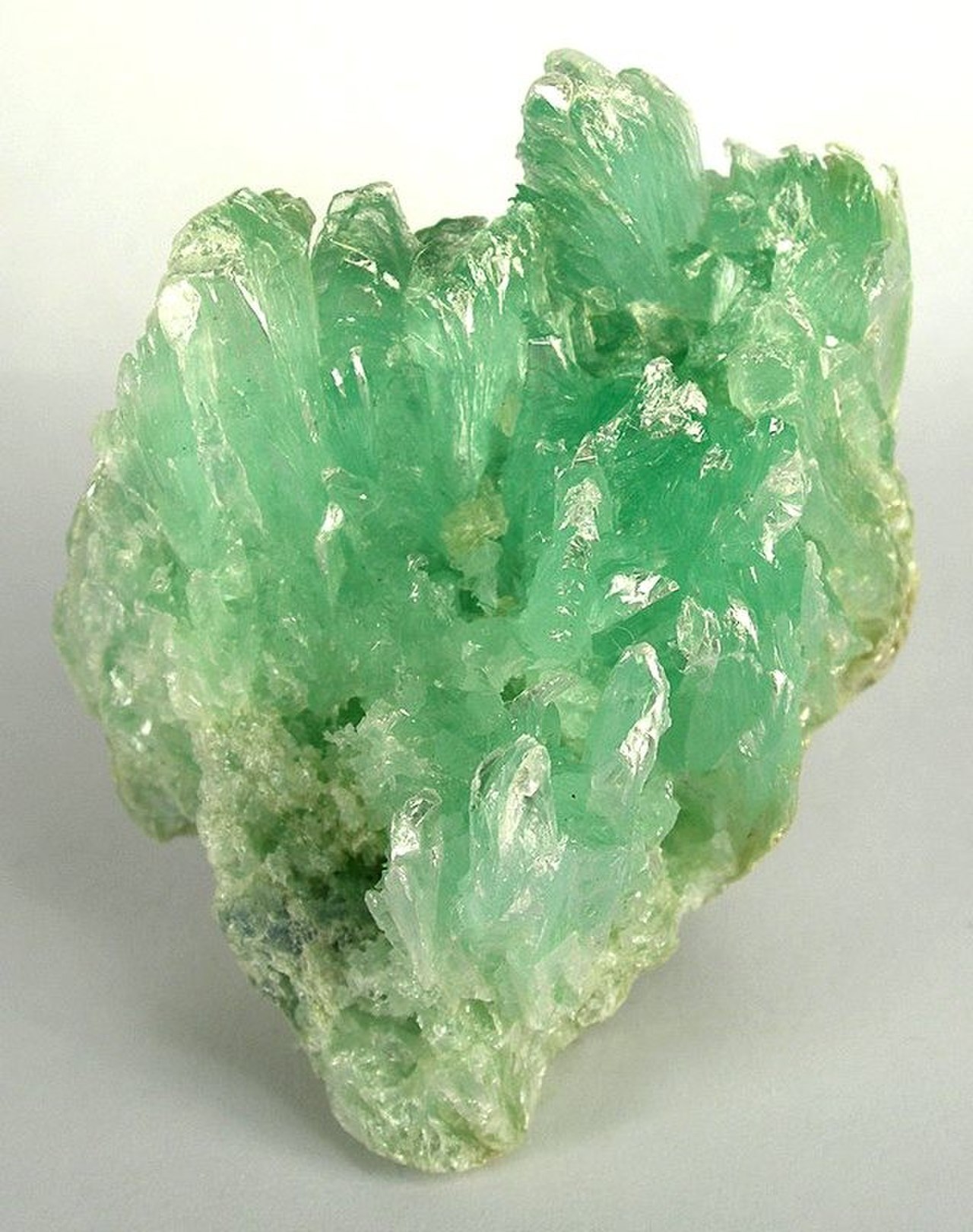
Talc, also known as talcum, is a hydrous magnesium silicate mineral with the chemical formula Mg₃Si₄O₁₀(OH)₂. It's renowned for its exceptional softness, ranking a 1 on the Mohs hardness scale, making it the softest known mineral. This characteristic softness translates into its widespread use as a lubricant and thickening agent. You'll find it in everything from industrial applications to the personal care products you use daily. Its unique properties have cemented its place as a versatile and indispensable material in both ancient and modern contexts.
⛏️ Where Talc Comes From: Mining & Origins
The primary sources of talc are metamorphic rocks, formed through the alteration of minerals like olivine and pyroxene. Major global producers include China, India, Brazil, and the United States, with significant deposits often found in regions with extensive geological history. The extraction process typically involves open-pit mining, followed by crushing, drying, and milling to achieve the desired powder fineness. The quality and purity of talc can vary significantly based on its geological origin and the extraction methods employed, impacting its suitability for different applications.
🧴 Talc in Your Life: Everyday Uses
The most familiar application of talc is in baby powder, often blended with corn starch to absorb moisture and reduce friction, preventing diaper rash. Beyond this iconic use, talc is a key ingredient in many cosmetics, acting as a binder, filler, and enhancing texture in products like pressed powders, eyeshadows, and foundations. Its smooth feel and ability to absorb oils also make it valuable in antiperspirants and deodorants, contributing to a pleasant sensory experience and effective performance.
🎨 Talc in Industry: Beyond the Bathroom
Talc's utility extends far beyond personal care. In the paint industry, it functions as an extender pigment, improving opacity, durability, and resistance to chalking. The ceramics sector utilizes talc to lower firing temperatures and improve the strength and thermal shock resistance of porcelain and other ceramic bodies. It's also a crucial component in roofing materials, enhancing their weatherability and fire resistance, and serves as a reinforcing filler in plastics and rubber, improving their mechanical properties and reducing costs.
⚖️ The Talc Controversy: Health & Safety Debates
The use of talc, particularly in baby powder and cosmetics, has been the subject of significant controversy and litigation. Concerns have been raised regarding potential asbestos contamination in some talc deposits, as asbestos is a known carcinogen. While regulatory bodies like the U.S. Food and Drug Administration (FDA) have stated that most cosmetic talc products do not contain asbestos, ongoing scientific research and legal challenges continue to shape public perception and industry practices. The debate centers on testing methodologies, the definition of asbestos, and the long-term health implications of exposure.
🔬 Talc's Chemical Makeup: The Science
Chemically, talc is a hydrated magnesium silicate with the formula Mg₃Si₄O₁₀(OH)₂. Its layered silicate structure, where sheets of magnesium hydroxide are sandwiched between two sheets of silica, is responsible for its characteristic softness and slippery feel. This structure allows the layers to easily slide past one another. Talc possesses a perfect basal cleavage, meaning it splits easily along flat planes, and exhibits an uneven, flat fracture. Its low refractive index contributes to its opacity and matte finish in cosmetic applications.
🌟 Vibepedia's Vibe Score for Talc
Talc earns a Vibepedia Vibe Score of 68/100. This score reflects its deep historical roots, pervasive presence in modern life, and the significant cultural and industrial impact it wields. The score is tempered by the ongoing health controversies surrounding its use, which introduce a considerable degree of uncertainty and public apprehension. Its versatility and widespread application contribute positively, but the shadow of potential health risks prevents it from achieving a higher, unblemished Vibe Score.
💡 Practical Tips for Talc Users
When purchasing talc-based products, look for reputable brands that clearly state their testing protocols for asbestos contamination. For industrial applications, consult material safety data sheets (MSDS) to understand specific grades and their suitability. If using talc for crafts or DIY projects, ensure adequate ventilation and wear a dust mask to avoid inhalation. Always store talc products in a cool, dry place to maintain their efficacy and prevent clumping. For sensitive skin, consider corn starch-based alternatives if you have concerns about talc.
Key Facts
- Year
- Discovered: Ancient Times (documented use in Egypt c. 1500 BCE)
- Origin
- Global (major deposits in China, India, Brazil, USA, Russia)
- Category
- Minerals & Materials
- Type
- Mineral
Frequently Asked Questions
Is all talcum powder safe to use?
The safety of talcum powder is a subject of ongoing debate, primarily due to concerns about potential asbestos contamination in some historical or improperly sourced talc. While many regulatory bodies and manufacturers assert that cosmetic talc products are asbestos-free, lawsuits and scientific studies continue to raise questions. Consumers concerned about safety should look for products explicitly labeled as asbestos-free and consider corn starch-based alternatives if they have reservations.
What is the difference between talc and corn starch?
Talc is a mineral, specifically a hydrated magnesium silicate, known for its extreme softness and ability to absorb moisture. Corn starch, on the other hand, is a carbohydrate derived from corn. Both are commonly used in baby powder for their absorbent properties, but talc provides a smoother, silkier feel due to its mineral structure, while corn starch is often considered a more natural alternative and is generally not associated with the same health concerns as talc.
Can talc be used as a lubricant?
Yes, talc is an excellent lubricant due to its exceptionally soft and platy mineral structure. This allows the mineral's layers to slide easily over one another, reducing friction. It's used industrially as a lubricant in applications ranging from plastics and rubber manufacturing to high-temperature industrial processes where synthetic lubricants might degrade. Its natural slipperiness makes it effective in reducing wear and tear.
Where are the largest talc mines in the world?
The largest producers of talc globally include China, India, Brazil, and the United States. These countries possess significant geological reserves and extensive mining operations. Specific large mines are often located in metamorphic rock belts, such as those found in the Adirondack Mountains of New York (USA) or in the Indian states of Rajasthan and Madhya Pradesh. The exact operational scale can fluctuate based on market demand and economic factors.
How is talc used in cosmetics?
In cosmetics, talc serves multiple functions. Its fine powder form acts as a filler and binder in pressed products like eyeshadow and blush, helping them adhere to the skin. It absorbs moisture and oil, contributing to a matte finish and preventing caking in foundations and powders. Its smooth texture also enhances the feel of cosmetic products, providing a silky application experience. However, concerns about asbestos contamination have led some brands to reformulate or seek alternatives.
What are the health risks associated with talc?
The primary health concern historically linked to talc is potential asbestos contamination, as both minerals can be found in proximity in the earth. Inhaling asbestos fibers is linked to serious lung diseases like asbestosis and mesothelioma. While cosmetic talc is generally considered asbestos-free, ongoing litigation and research explore potential links between genital talc use and ovarian cancer, though scientific consensus remains divided. Inhalation of any fine dust can irritate the lungs.