
Contents
- 🌎 Introduction to UNODC
- 📊 History and Mandate
- 👮 Law Enforcement and Crime Prevention
- 💡 Sustainable Development and Human Rights
- 🌈 Addressing Transnational Organized Crime
- 🚫 Countering Corruption and Money Laundering
- 📊 Research and Analysis
- 🌐 Field Presence and Technical Assistance
- 🤝 Partnerships and Collaborations
- 📚 Education and Training
- 🌟 Challenges and Future Directions
- 📊 Conclusion and Recommendations
- Frequently Asked Questions
- Related Topics
Overview
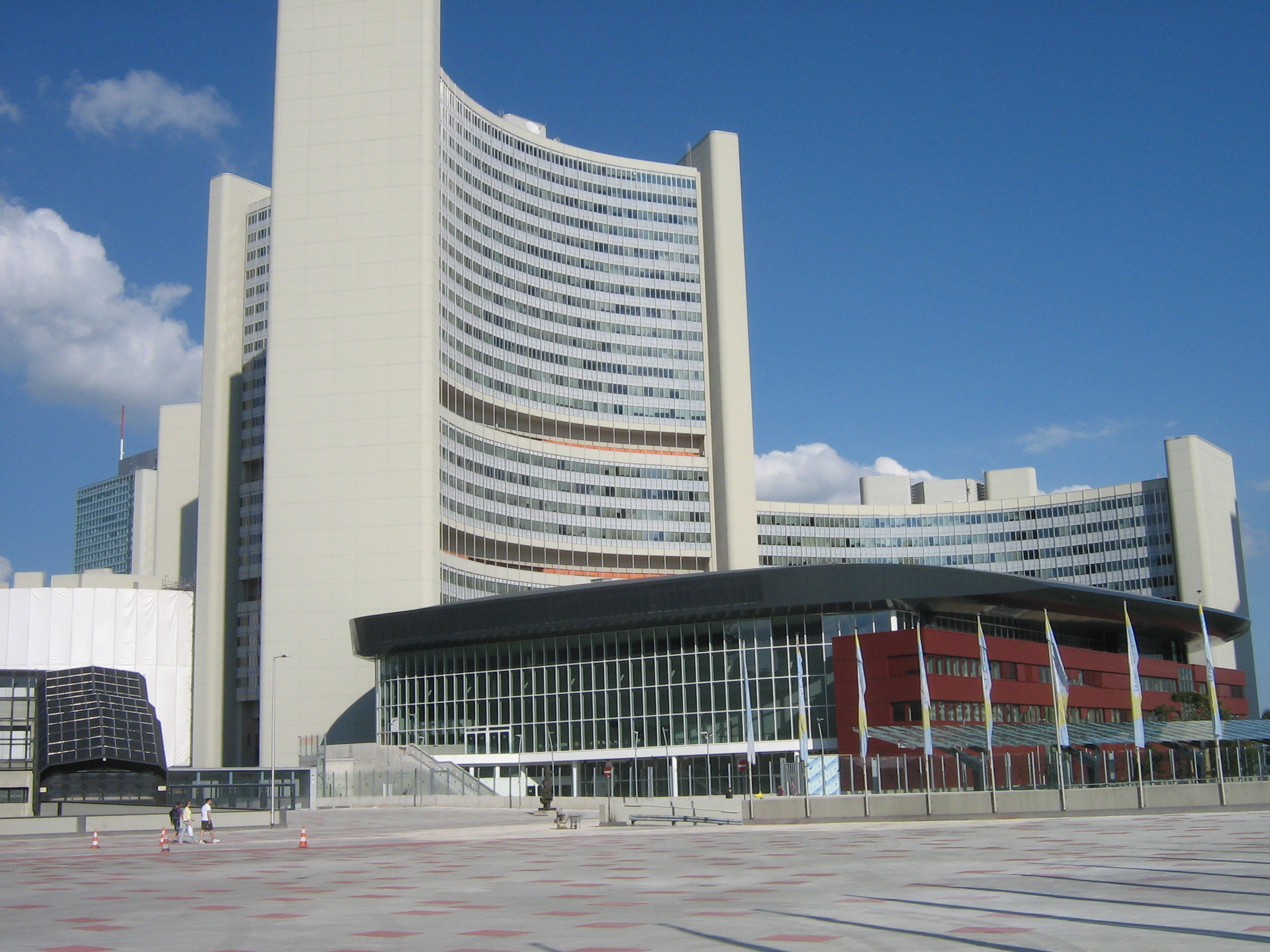
The United Nations Office on Drugs and Crime (UNODC) is a global leader in the fight against transnational organized crime, illicit drugs, and corruption. Established in 1997, the UNODC is headquartered in Vienna, Austria, and is led by Executive Director Ghada Waly. With a budget of over $500 million, the UNODC works with governments, civil society, and other stakeholders to address the world's most pressing crime and justice issues, including human trafficking, migrant smuggling, and cybercrime. The UNODC has 20 field offices around the world and provides technical assistance and capacity-building programs to help countries strengthen their crime prevention and criminal justice systems. According to the UNODC's 2020 World Drug Report, an estimated 269 million people worldwide used illicit drugs in 2018, with the global drug market valued at over $500 billion. As the UNODC continues to evolve and adapt to emerging threats, it remains a critical player in the global effort to promote peace, security, and development.
🌎 Introduction to UNODC
The United Nations Office on Drugs and Crime (UNODC) is a global leader in the fight against illicit drugs, organized crime, and corruption. As a United Nations agency, UNODC works to promote sustainable development and human rights through its various programs and initiatives. With a strong focus on law enforcement and crime prevention, UNODC provides technical assistance and capacity-building support to countries around the world. The agency's work is guided by the United Nations Convention against Transnational Organized Crime and the United Nations Convention against Corruption.
📊 History and Mandate
The history of UNODC dates back to 1997, when the United Nations General Assembly established the Office for Drug Control and Crime Prevention. In 2002, the agency was renamed the United Nations Office on Drugs and Crime, reflecting its expanded mandate to address a broader range of issues related to transnational organized crime and corruption. Today, UNODC is headquartered in Vienna, Austria and has a global presence, with offices and programs in over 150 countries. The agency's work is guided by the principles of human rights, rule of law, and sustainable development.
👮 Law Enforcement and Crime Prevention
UNODC's law enforcement and crime prevention efforts focus on building the capacity of countries to address transnational organized crime, including human trafficking, migrant smuggling, and cybercrime. The agency provides technical assistance and training to law enforcement officials, as well as support for the development of criminal justice systems and prison reform. UNODC also works to promote community policing and restorative justice approaches, which prioritize the needs of victims and communities. The agency's work in this area is closely tied to its efforts to promote sustainable development and human rights.
💡 Sustainable Development and Human Rights
UNODC's work on sustainable development and human rights is guided by the United Nations Sustainable Development Goals (SDGs). The agency recognizes that the achievement of the SDGs is closely tied to the promotion of peace, justice, and human rights. UNODC works to address the root causes of poverty, inequality, and social exclusion, which are often linked to organized crime and corruption. The agency's efforts in this area focus on promoting inclusive economic growth, social justice, and human rights.
🌈 Addressing Transnational Organized Crime
Transnational organized crime is a major focus of UNODC's work, with the agency working to address a range of issues, including human trafficking, migrant smuggling, and cybercrime. UNODC provides technical assistance and capacity-building support to countries to help them address these issues, and works to promote international cooperation and coordination. The agency also works to raise awareness about the impact of transnational organized crime on sustainable development and human rights.
🚫 Countering Corruption and Money Laundering
Corruption is a major obstacle to sustainable development and human rights, and UNODC works to address this issue through its United Nations Convention against Corruption. The agency provides technical assistance and capacity-building support to countries to help them prevent and combat corruption, and works to promote international cooperation and coordination. UNODC also works to raise awareness about the impact of corruption on sustainable development and human rights.
📊 Research and Analysis
UNODC's research and analysis efforts focus on providing data and insights to inform policy and programming related to drugs, crime, and corruption. The agency produces a range of publications, including the World Drug Report and the Global Report on Trafficking in Persons. UNODC also works to promote the use of data and evidence in policy-making, and provides technical assistance and capacity-building support to countries to help them strengthen their data collection and analysis capabilities.
🌐 Field Presence and Technical Assistance
UNODC has a significant field presence, with offices and programs in over 150 countries. The agency provides technical assistance and capacity-building support to countries to help them address a range of issues related to drugs, crime, and corruption. UNODC's field presence is guided by the principles of human rights, rule of law, and sustainable development. The agency works closely with governments, civil society, and other stakeholders to promote peace, justice, and human rights.
🤝 Partnerships and Collaborations
UNODC works in partnership with a range of stakeholders, including governments, civil society, and the private sector. The agency recognizes that addressing the complex issues related to drugs, crime, and corruption requires a collaborative approach. UNODC works to promote international cooperation and coordination, and provides technical assistance and capacity-building support to countries to help them build their partnerships and collaborations. The agency's partnerships and collaborations are guided by the principles of human rights, rule of law, and sustainable development.
📚 Education and Training
UNODC provides education and training to a range of stakeholders, including law enforcement officials, policymakers, and civil society representatives. The agency's education and training programs focus on building the capacity of countries to address drugs, crime, and corruption. UNODC works to promote the use of evidence-based approaches, and provides technical assistance and capacity-building support to countries to help them strengthen their education and training systems.
🌟 Challenges and Future Directions
Despite the progress made in addressing the issues related to drugs, crime, and corruption, there are still significant challenges to be overcome. UNODC recognizes that the achievement of the United Nations Sustainable Development Goals (SDGs) will require sustained efforts to promote peace, justice, and human rights. The agency is committed to continuing its work to address the root causes of poverty, inequality, and social exclusion, and to promote inclusive economic growth, social justice, and human rights.
📊 Conclusion and Recommendations
In conclusion, UNODC plays a critical role in promoting sustainable development and human rights through its work on law enforcement and crime prevention. The agency's efforts to address transnational organized crime, corruption, and money laundering are essential to achieving the United Nations Sustainable Development Goals (SDGs). As the world continues to evolve and new challenges emerge, UNODC will remain a key player in promoting peace, justice, and human rights.
Key Facts
- Year
- 1997
- Origin
- United Nations General Assembly
- Category
- International Relations, Law Enforcement
- Type
- International Organization
Frequently Asked Questions
What is the mandate of UNODC?
The mandate of UNODC is to promote sustainable development and human rights through its work on law enforcement and crime prevention. The agency's efforts focus on addressing transnational organized crime, corruption, and money laundering.
How does UNODC address transnational organized crime?
UNODC addresses transnational organized crime through its technical assistance and capacity-building support to countries. The agency works to promote international cooperation and coordination, and provides support for the development of criminal justice systems and prison reform.
What is the role of UNODC in promoting sustainable development?
UNODC plays a critical role in promoting sustainable development through its work on law enforcement and crime prevention. The agency's efforts focus on addressing the root causes of poverty, inequality, and social exclusion, and promoting inclusive economic growth, social justice, and human rights.
How does UNODC support education and training?
UNODC provides education and training to a range of stakeholders, including law enforcement officials, policymakers, and civil society representatives. The agency's education and training programs focus on building the capacity of countries to address drugs, crime, and corruption.
What are the challenges facing UNODC?
Despite the progress made in addressing the issues related to drugs, crime, and corruption, there are still significant challenges to be overcome. UNODC recognizes that the achievement of the United Nations Sustainable Development Goals (SDGs) will require sustained efforts to promote peace, justice, and human rights.
How does UNODC measure its success?
UNODC measures its success through its World Drug Report and the Global Report on Trafficking in Persons. The agency also works to promote the use of data and evidence in policy-making, and provides technical assistance and capacity-building support to countries to help them strengthen their data collection and analysis capabilities.
What is the future direction of UNODC?
The future direction of UNODC will focus on continuing its work to address the root causes of poverty, inequality, and social exclusion, and promoting inclusive economic growth, social justice, and human rights. The agency will also work to address emerging challenges, such as cybercrime and terrorism.