
Contents
Overview
A villain is a fundamental archetype in storytelling, representing the antagonist or 'bad guy' whose malevolent actions, selfish motives, and opposition to the protagonist propel the narrative forward. Unlike the hero, who embodies virtue and justice, the villain often displays cruelty, cunning, and a disregard for morality. This character type, whether a historical figure or a fictional construct, serves as a crucial foil, highlighting the hero's strengths and testing their resolve. The concept of the villain is universal, appearing across cultures and genres, from ancient myths to modern blockbusters, and their complexity has evolved significantly, with modern narratives often exploring nuanced motivations and sympathetic backstories. The effectiveness of a story frequently hinges on the compelling nature of its villain, with some villains achieving iconic status and cultural resonance far beyond their narrative function.
🎵 Origins & History
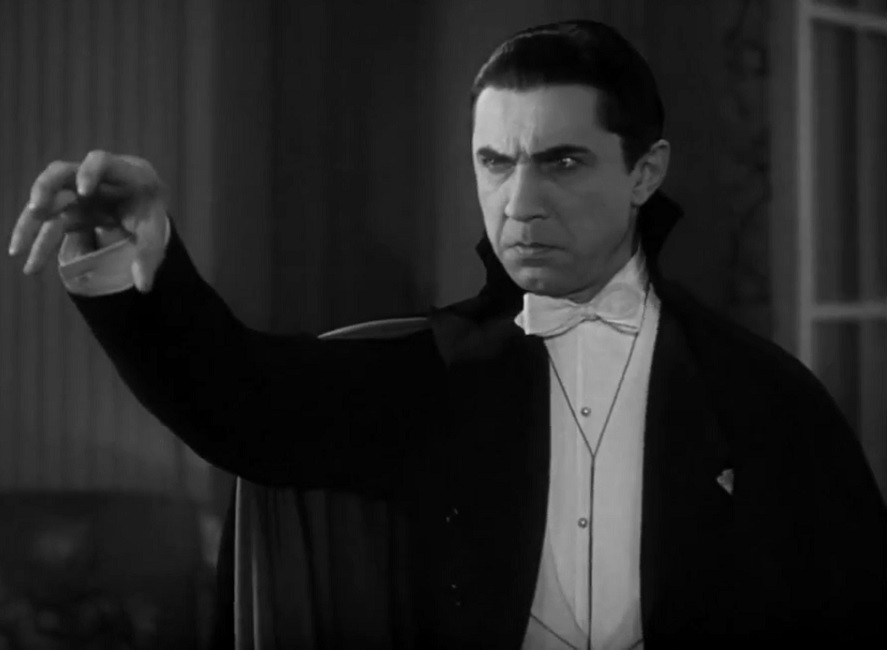
Ancient epics like Homer's Odyssey featured monstrous antagonists like Polyphemus and vengeful gods, while biblical narratives presented figures like Satan as the ultimate embodiment of evil. In classical drama, characters like Creon in Sophocles' plays often served as antagonists whose actions, driven by ambition or flawed judgment, created conflict for the protagonists. Figures like Count Dracula and Frankenstein's Monster explored darker aspects of human nature and societal anxieties. These early villains were often driven by supernatural forces or primal desires, setting the stage for more complex psychological portrayals later on.
⚙️ The Villain's Role in Narrative
At its core, the villain's structural purpose is to create conflict and drive the plot. They act as the antithesis to the hero, embodying the obstacles the protagonist must overcome. While heroes are typically defined by their virtues—bravery, integrity, and a commitment to the greater good—villains are often characterized by their vices: selfishness, malice, arrogance, and a willingness to employ immoral means to achieve their ends. This dynamic is crucial for narrative tension, as the villain's actions directly challenge the hero's goals and values, forcing the hero to evolve and demonstrate their own strengths. The villain's motivations, whether greed, revenge, or a twisted ideology, provide the engine for the story's central struggle, as seen in countless Shakespearean tragedies and modern action films.
📊 Archetypes and Variations
Villains are not monolithic; they manifest in a vast array of archetypes. The mad scientist, like Dr. Victor Frankenstein, pursues knowledge without regard for consequences. The tyrant, such as Emperor Palpatine, wields absolute power corruptly. The trickster figure, like Loki, operates through cunning and deception, often blurring the lines between ally and enemy. The sympathetic villain trope is increasingly explored in contemporary media, exemplified by characters like Thanos in the Marvel Cinematic Universe. Each archetype serves a distinct narrative function, offering different kinds of challenges and thematic explorations.
👥 Key Figures and Iconic Villains
Throughout history and fiction, certain villains have transcended their roles to become cultural icons. The Joker, Batman's arch-nemesis, is a prime example, embodying chaos and nihilism, and has been famously portrayed by actors like Heath Ledger and Joaquin Phoenix. Lord Voldemort from the Harry Potter series represents pure evil and the fear of death, driving the central conflict of J.K. Rowling's saga. In literature, Professor Moriarty, Sherlock Holmes's intellectual equal, stands as a benchmark for the brilliant criminal mastermind. These figures are not merely plot devices; they are complex characters whose enduring appeal lies in their memorable designs, compelling motivations, and the profound impact they have on their respective heroes and worlds.
🌍 Global Manifestations
The concept of the villain is deeply embedded in global storytelling traditions. Japanese folklore features numerous oni (demons) and yokai (supernatural beings) that embody malevolent forces. In Indian epics like the Ramayana, Ravana is a powerful demon king whose arrogance and evil deeds necessitate divine intervention. African oral traditions and mythologies often feature trickster spirits or malevolent entities that test the ingenuity and moral fortitude of human characters. These diverse portrayals reflect varying cultural understandings of evil, justice, and the human condition, demonstrating that the need for an antagonist is a universal narrative constant, irrespective of geographic origin or cultural context.
⚡ Modern Villainy
Contemporary villains are increasingly complex, moving beyond simple good-versus-evil dichotomies. The rise of anti-heroes and morally ambiguous protagonists has blurred the lines, sometimes making the 'villain' a more sympathetic figure than the 'hero.' This evolution challenges traditional notions of good and evil, prompting audiences to question their own moral frameworks, as seen in the critical acclaim for characters like Thanos's calculated approach to cosmic balance.
🤔 Debates and Criticisms
The portrayal of villains is not without its controversies and criticisms. Some argue that certain villains perpetuate harmful stereotypes, particularly when their ethnicity, gender, or disability is linked to their malevolence. The trope of the 'evil scientist' has been criticized for potentially fostering distrust in scientific progress, while villains depicted as overly cruel or gratuitously violent can be seen as desensitizing audiences. Conversely, others contend that villains are essential for exploring societal fears and moral boundaries, and that well-written antagonists can offer profound social commentary. The debate often centers on whether a villain's depiction reinforces negative biases or provides a cathartic exploration of darker human impulses, a discussion frequently seen in analyses of characters like Geralt of Rivia's adversaries.
🔮 The Future of the Villain
The future of the villain likely lies in further exploration of psychological depth and moral ambiguity. As storytelling mediums become more immersive, such as in virtual reality experiences and interactive narratives, villains may become even more personalized and challenging. We might see a greater emphasis on villains whose actions are not inherently evil but rather a product of systemic failures or extreme circumstances, forcing audiences to confront uncomfortable truths about society. The potential for AI-generated antagonists in interactive entertainment also opens new frontiers, creating dynamic and unpredictable adversaries. The core function of the villain—to challenge and provoke—will undoubtedly persist, but their form and motivation will continue to evolve with societal changes and technological advancements.
💡 Psychological Impact
Understanding the villain offers profound insights into human psychology. Psychologists and literary theorists often analyze villainous characters to explore concepts like narcissism, sadism, the Dunning-Kruger effect, and the nature of evil itself. The way audiences react to villains—whether with fear, fascination, or even empathy—reveals much about our own moral compasses and societal values. For instance, the enduring popularity of characters like The Joker suggests a cultural fascination with anarchy and the breakdown of order. Studying villains allows us to examine the darker aspects of the human psyche in a controlled, fictional environment, providing a safe space to confront and understand them, as explored in works like Robert Hare's Without Conscience concerning psychopaths.
📚 Further Exploration
To delve deeper into the world of villains, one might explore the concept of the antagonist in narrative theory, examining how their role differs from a mere obstacle. The study of archetypes in mythology and literature, particularly Carl Jung's work on the Shadow, provides a framework for understanding the psychological underpinnings of villainy. Examining specific genres, such as film noir or superhero comics, reveals distinct traditions in villain creation. For those interested in the his
Key Facts
- Category
- culture
- Type
- topic