
Contents
Overview
The concept of actively encouraging citizens to vote, or voter mobilization, is as old as representative democracy itself, though its formalization is more recent. Early American elections, particularly in the 18th and 19th centuries, saw informal mobilization through party rallies, public speeches, and the sheer social pressure of community participation, often driven by local party bosses and ward captains. The Progressive Era, however, brought a wave of reforms aimed at reducing corruption and increasing efficiency, which inadvertently created a need for more structured mobilization efforts. The introduction of voter registration laws, while intended to prevent fraud, also erected barriers to voting, necessitating organized campaigns to help citizens navigate these requirements. Organizations like the League of Women Voters emerged to educate and register voters, initially focusing on women after they gained suffrage. The mid-20th century saw the rise of sophisticated, data-driven mobilization tactics, particularly within political campaigns, moving beyond simple appeals to strategic targeting based on demographic and psychographic data.
⚙️ How It Works
Voter mobilization operates through a multi-pronged approach, blending traditional organizing with modern technology. At its core, it involves identifying potential voters, ensuring they are registered, and then motivating them to cast a ballot. This is achieved through various tactics: direct voter contact via door-to-door canvassing, phone banking, and text messaging campaigns; targeted advertising across digital and traditional media; and community events designed to build enthusiasm and provide logistical support, such as transportation to polling stations. Data analytics plays a crucial role, with campaigns using voter files, polling data, and consumer information to identify persuadable voters or those at risk of abstaining. Microtargeting allows for personalized messaging, tailoring appeals to specific concerns and values of different demographic groups. The ultimate goal is to overcome apathy, logistical hurdles, and suppression tactics to ensure maximum turnout among a campaign's supporters.
📊 Key Facts & Numbers
The impact of voter mobilization is quantifiable, though often debated. Turnout in presidential elections has historically hovered between 50-65% of the voting-eligible population, with midterm elections seeing significantly lower rates. A 2018 study suggested that traditional canvassing might be less effective than previously believed, with each contact yielding only a fraction of a vote. Despite this, campaigns continue to invest heavily in voter contact and mobilization efforts. Even a small increase in turnout, say 1-2%, can swing close elections, making the ROI on effective mobilization potentially enormous.
👥 Key People & Organizations
Numerous individuals and organizations have shaped the landscape of voter mobilization. Steny Hoyer, a long-serving Democratic Congressman, has been a vocal advocate for expanding voting access and robust mobilization. On the Republican side, figures like Karl Rove are known for their strategic approaches to mobilizing conservative voters. Grassroots organizations such as ACORN (Association of Community Organizations for Reform Now), though now defunct due to controversy, were historically significant in registering low-income voters. Today, organizations like Civic Nation run large-scale nonpartisan campaigns like "When We All Vote," aiming to register millions and increase turnout. Political parties maintain dedicated mobilization departments, and a vast ecosystem of consulting firms, like AK International, specialize in voter contact and data analytics for campaigns worldwide. The NRA, while primarily an advocacy group, also engages in significant voter mobilization efforts among its membership.
🌍 Cultural Impact & Influence
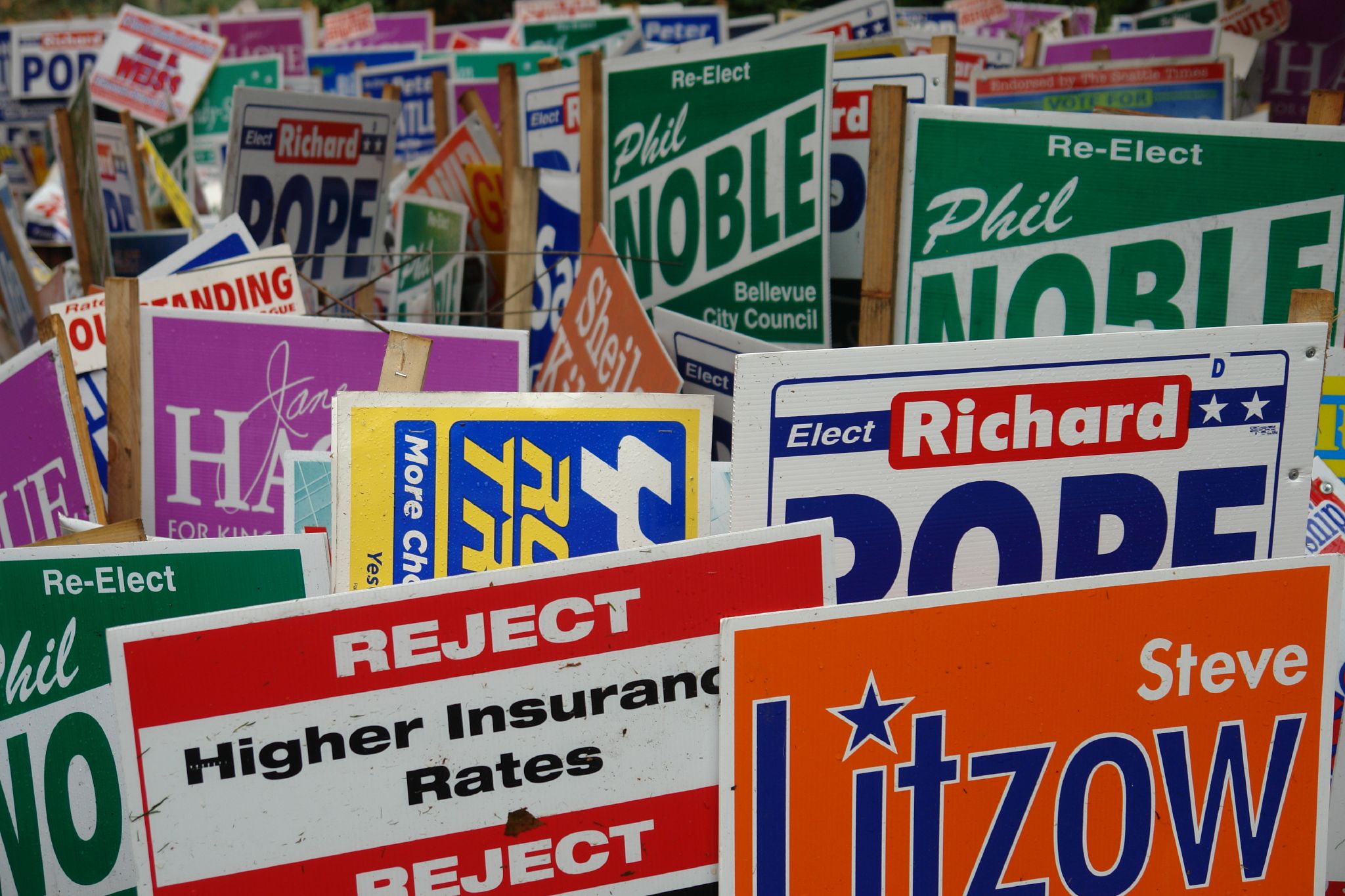
Voter mobilization has profoundly influenced political culture and campaign strategy. The shift from broad appeals to microtargeted messaging has led to a more fragmented political discourse, where different groups receive vastly different information. It has also elevated the importance of data analytics and technology in politics, creating a new industry of political tech firms and data scientists. The focus on turnout can sometimes overshadow policy debates, as campaigns prioritize energizing their base over persuading undecided voters. Furthermore, the constant effort to mobilize voters has normalized the idea that participation is not automatic but requires active encouragement, shaping citizen expectations of political engagement. The visual culture of mobilization—from yard signs and bumper stickers to digital ads and rally footage—is now an indelible part of election seasons.
⚡ Current State & Latest Developments
In the current political climate (2024-2025), voter mobilization is more critical and complex than ever. The rise of artificial intelligence and advanced data analytics is enabling even more precise targeting and personalized outreach. Digital platforms like Facebook and TikTok are central battlegrounds for mobilization, though concerns about misinformation and foreign interference persist. Efforts to expand early voting and mail-in voting, spurred by the COVID-19 pandemic, have also altered mobilization strategies, requiring campaigns to engage voters over longer periods. Simultaneously, legislative battles over voting rights and access in various jurisdictions continue to shape the landscape, with mobilization efforts often focusing on countering restrictive laws or advocating for more permissive ones. Organizations are experimenting with new methods, including gamification and influencer marketing, to capture the attention of younger demographics.
🤔 Controversies & Debates
The effectiveness and ethics of voter mobilization are subjects of intense debate. Critics argue that highly partisan GOTV efforts can exacerbate political polarization by reinforcing existing beliefs and demonizing opponents, rather than fostering civic dialogue. The use of sophisticated data analytics raises privacy concerns and the potential for manipulation. Some scholars have questioned whether the focus on mobilization distracts from the more fundamental task of persuading voters on policy issues. Conversely, proponents argue that in a democracy with voluntary voting, mobilization is essential to ensure that elections reflect the will of the entire electorate, not just those who are already politically engaged. The debate also touches on voter suppression tactics, where some mobilization efforts are seen as necessary counter-measures against systemic barriers to voting.
🔮 Future Outlook & Predictions
The future of voter mobilization will likely be shaped by continued technological advancement and evolving demographic trends. Expect further integration of AI for predictive modeling and hyper-personalized messaging. The increasing influence of social media platforms, despite regulatory scrutiny, will necessitate innovative digital strategies. As younger generations, who tend to vote at lower rates, become a larger segment of the electorate, campaigns will need to find new ways to engage them, potentially through platforms like Discord or augmented reality experiences. There's also a growing emphasis on "deep canvassing," which involves empathetic, narrative-based conversations aimed at changing hearts and minds, rather than just reminding people to vote. The ongoing tension between expanding voting access and implementing new security measures will continue to define the operational environment for mobilization efforts.
💡 Practical Applications
Voter mobilization techniques have direct applications beyond formal elections. Political campaigns utilize them to recruit volunteers, fundraise, and build organizational capacity. Advocacy groups employ similar strategies to lobby lawmakers, organize protests, and raise awareness for specific causes, such as climate action or gun control. Nonprofits focused on civic
Key Facts
- Category
- movements
- Type
- topic