
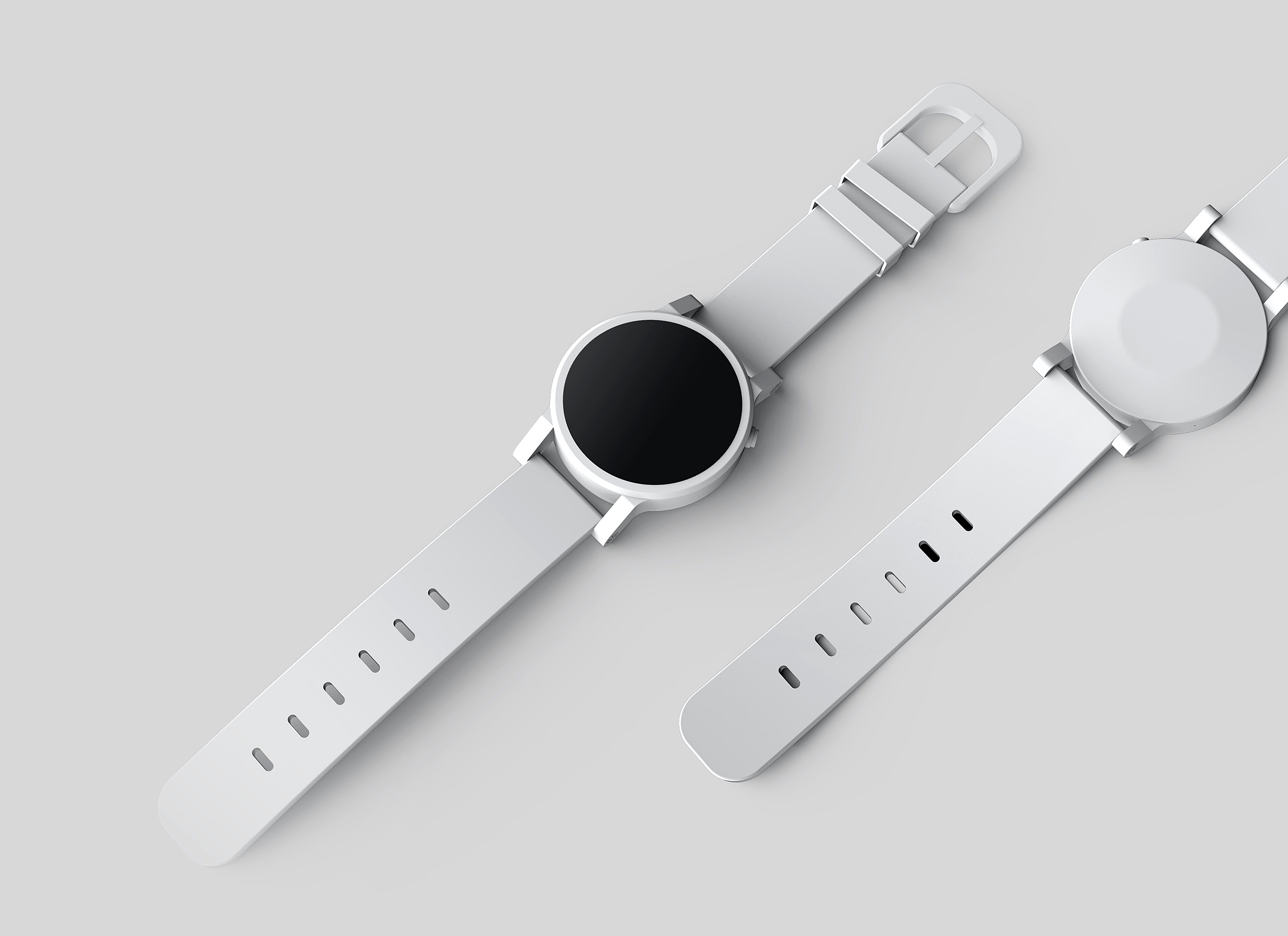
Contents
Overview
Wearable health technology encompasses a diverse array of electronic devices designed to be worn on the body, collecting physiological and environmental data to monitor health, activity, and well-being. These devices, ranging from smartwatches and fitness trackers to biosensors embedded in clothing, leverage miniaturized sensors and wireless connectivity to transmit information like heart rate, sleep patterns, and blood oxygen levels. The market is rapidly expanding, driven by consumer demand for personalized health insights and preventative care. While offering unprecedented access to personal health metrics, the proliferation of wearable health tech also raises significant questions regarding the potential for over-reliance on quantified self-data, creating a complex landscape of innovation and ethical consideration.
🎵 Origins & History
The genesis of wearable health technology can be traced back to early attempts at physiological monitoring, predating the digital age. The advent of miniaturized sensors and the Internet of Things paradigm in the early 2000s, coupled with the rise of smartphones, catalyzed the modern era of wearable health. These developments popularized the concept of fitness tracking, making personal health data accessible to the masses and setting the stage for the sophisticated devices we see today.
⚙️ How It Works
At its core, wearable health technology functions by integrating a suite of sensors with a processing unit and a communication module, all housed within a compact, wearable form factor. For instance, a smartwatch like the Apple Watch Series 9 utilizes photoplethysmography (PPG) sensors to measure heart rate by detecting blood volume changes beneath the skin, and accelerometers and gyroscopes to track movement and activity. More advanced devices incorporate electrocardiogram (ECG) sensors for detailed heart rhythm analysis, blood oxygen saturation (SpO2) sensors using red and infrared light, and even non-invasive glucose monitoring technologies, though the latter remains largely experimental. Data collected is typically processed on-device or transmitted wirelessly via Bluetooth to a companion smartphone app, where it's analyzed, visualized, and often synced to cloud platforms for long-term storage and trend analysis, enabling users to monitor their health metrics in near real-time.
📊 Key Facts & Numbers
The scale of wearable health technology is significant, with smartwatches and fitness trackers accounting for a large share of the global market. Consumer interest reflects diverse price points and feature sets available in this burgeoning market, as users increasingly seek tools for health and fitness tracking.
👥 Key People & Organizations
Key figures and organizations have been instrumental in shaping the wearable health landscape. Apple Inc. has become a dominant force, integrating advanced health features like ECG and fall detection. Google and Samsung are major players, continuously innovating with their respective smartwatch lines. Beyond consumer electronics giants, companies like WHOOP focus on performance optimization for athletes, while Garmin offers a robust ecosystem for serious athletes and outdoor enthusiasts. Research institutions such as Stanford University have also played a critical role, demonstrating the crucial interplay between academic research and commercial development.
🌍 Cultural Impact & Influence
Wearable health technology has profoundly reshaped our relationship with personal health and data. It has democratized health monitoring, moving it from the doctor's office into the everyday lives of millions. The 'quantified self' movement, fueled by these devices, encourages individuals to actively track and analyze their own biological data, fostering a more proactive approach to wellness. Culturally, wearables have become status symbols and essential accessories, integrating seamlessly into fashion and lifestyle trends. The data generated has also begun to influence public health initiatives and medical research, providing real-world insights into population health trends and the efficacy of interventions, though this integration is still in its nascent stages and faces significant regulatory hurdles.
⚡ Current State & Latest Developments
The current state of wearable health technology is characterized by rapid iteration and the integration of increasingly sophisticated sensors. Significant research is focused on accurate blood glucose tracking for diabetics and advanced stress and mental health monitoring through metrics like heart rate variability (HRV) and electrodermal activity (EDA). Companies like Apple and Google are exploring deeper integration with healthcare systems, aiming for FDA clearance for more diagnostic features. Furthermore, the rise of AI and machine learning is enabling more personalized insights and predictive health alerts, moving beyond simple data aggregation to actionable recommendations. The development of smart clothing and biosensor patches also represents a significant frontier, promising more discreet and continuous data collection.
🤔 Controversies & Debates
The controversies surrounding wearable health technology are as pervasive as the devices themselves. Ethical questions arise regarding the potential for creating health anxiety or 'quantified self' obsession, where individuals become overly focused on metrics rather than holistic well-being. The digital divide also poses a challenge, as access to these technologies and the insights they provide is not uniform across all socioeconomic groups.
🔮 Future Outlook & Predictions
The future of wearable health technology points towards a more integrated and predictive healthcare ecosystem. We can anticipate devices becoming even more discreet, potentially embedded in contact lenses or ingestible sensors, offering continuous, passive monitoring. The convergence of AI, advanced biosensing, and personalized medicine will likely lead to highly individualized health interventions and preventative strategies. Regulatory bodies like the FDA are grappling with how to effectively approve and oversee these rapidly evolving technologies, potentially paving the way for more direct integration into clinical practice. The ultimate goal for many in the field is a shift from reactive treatment to proactive health management, with wearables acting as the primary interface between individuals and their well-being, potentially reducing healthcare costs and improving longevity.
💡 Practical Applications
Wearable health technology has a vast array of practical applications across multiple domains. For individuals, it empowers self-management of chronic conditions like high blood pressure and Type 2 diabetes, enabling users to track vital signs and adherence to treatment plans. Athletes utilize wearables for performance optimization, analyzing training load, recovery, and biomechanics. In clinical settings, data from wearables can supplement traditional diagnostic tools, providing physicians with longitudinal health data that offers a more comprehensive patient picture, aiding in early disease detection and remote patient monitoring. Furthermore, these devices are increasingly used in corporate wellness programs to encourage healthier lifestyles among employees, and in research studies to gather real-world data on health behaviors and outcomes.
Key Facts
- Category
- technology
- Type
- topic