
Contents
Overview
Yoga Pilates represents a fascinating fusion, blending the ancient spiritual and physical discipline of yoga with the precise, controlled movements of Pilates. While distinct in origin and methodology, these practices share a common emphasis on breath control, core strength, flexibility, and mental focus, making their integration a natural evolution for many practitioners. Yoga, with roots stretching back over 5,000 years in India, offers a holistic approach encompassing physical postures (asanas), breathing techniques (pranayama), meditation, and ethical principles. Pilates, developed by Joseph Pilates in the early 20th century, focuses on developing core strength, improving posture, and enhancing body awareness through controlled, precise movements, often utilizing specialized apparatus. The combined practice, sometimes referred to as 'Yogalates,' aims to harness the benefits of both, creating a comprehensive workout that enhances physical conditioning, mental clarity, and overall well-being. As of 2023, the global wellness industry, which heavily features both yoga and Pilates, is valued at over $4.5 trillion, indicating a significant and growing interest in mind-body practices.
🎵 Origins & History
The concept of merging yoga and Pilates didn't spring from a single inventor but rather emerged organically as practitioners recognized the complementary nature of the two disciplines. Yoga, originating in ancient India over 5,000 years ago, encompasses a vast array of techniques for physical, mental, and spiritual development. Its early proponents, like Patanjali, documented its principles in texts such as the Yoga Sutras. Pilates, conversely, is a much younger discipline, conceived by Joseph Pilates in Germany around the turn of the 20th century. Pilates initially called his method 'Contrology,' focusing on the mind-body connection to build core strength and improve physical conditioning, particularly for rehabilitation. The formalization of 'Yogalates' as a distinct hybrid practice gained traction in the late 20th century, with figures like Lisa Holmes and Camille Saldana being credited with popularizing the term and developing structured programs in the 1990s. This fusion capitalized on the growing popularity of both yoga and Pilates in Western health and fitness industries.
⚙️ How It Works
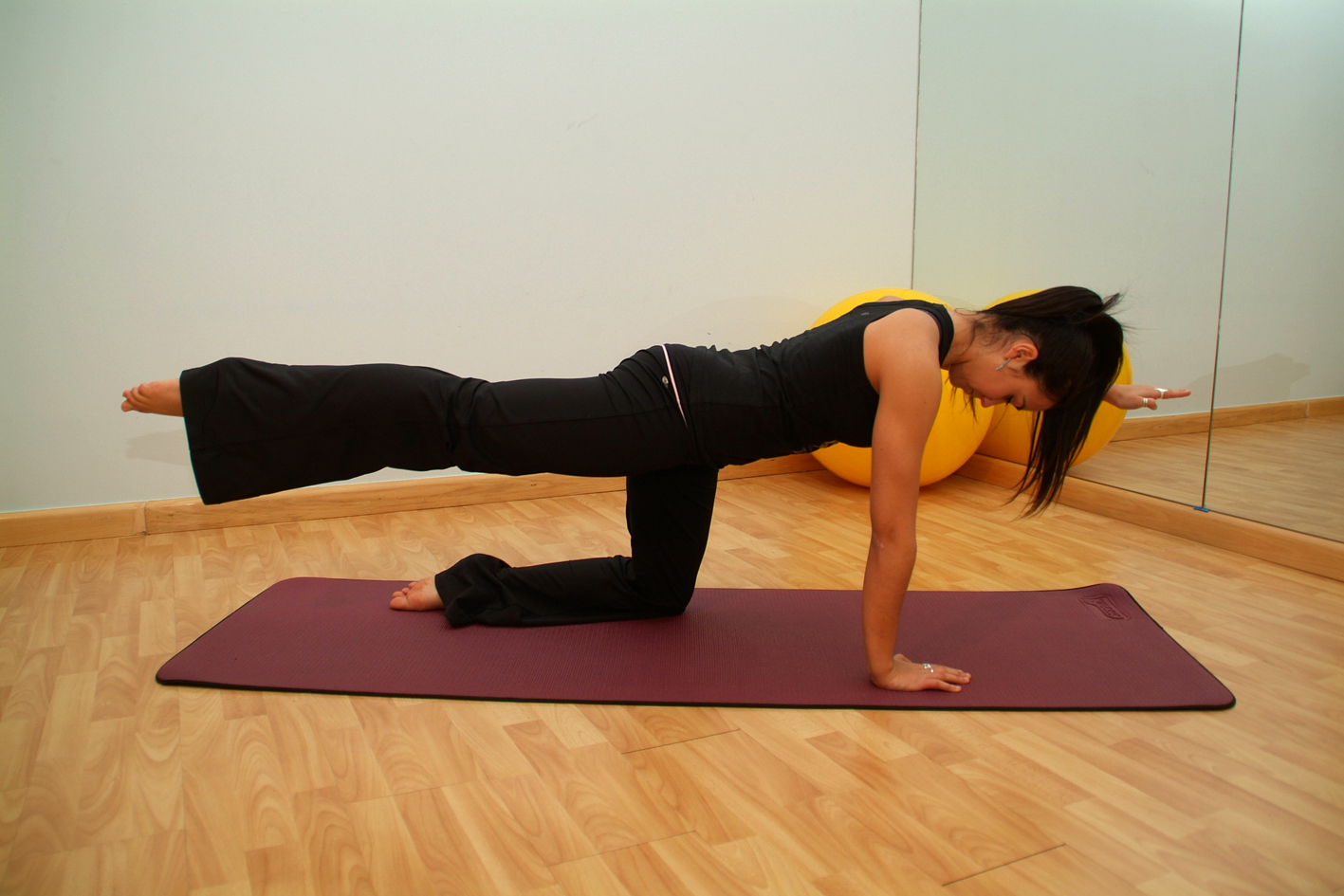
Yoga Pilates integrates the core principles of both practices. From yoga, it borrows the emphasis on breathwork – conscious inhalation and exhalation to energize the body and calm the mind – and the use of asanas (postures) to build flexibility, balance, and strength. From Pilates, it adopts the focus on core engagement, precise muscle control, and spinal alignment, often incorporating Pilates apparatus like the Reformer or Cadillac, or performing mat-based exercises that mimic the controlled movements. A typical Yoga Pilates session might involve flowing sequences that transition smoothly between yoga poses and Pilates exercises, with a constant awareness of breath guiding each movement. The goal is to achieve a balanced physique, improve posture, increase muscular endurance, and cultivate a deeper mind-body connection, drawing on the meditative aspects of yoga and the biomechanical precision of Pilates.
📊 Key Facts & Numbers
The global wellness market, a significant umbrella for practices like Yoga Pilates, was valued at an estimated $4.5 trillion in 2022 and is projected to reach $7.0 trillion by 2025, according to the Global Wellness Institute. Over 300 million people worldwide practice yoga regularly, and it's estimated that over 12 million people practice Pilates globally as of 2023. Studies have shown that regular practice of yoga can improve flexibility by up to 35% and reduce stress levels by an average of 20%. Pilates has been shown to improve core strength by as much as 25% in participants after an 8-week program. The combined practice aims to offer enhanced benefits, with some research suggesting that hybrid mind-body exercises can lead to a 15% greater improvement in functional fitness compared to single-discipline programs.
👥 Key People & Organizations
While Joseph Pilates himself is the singular figure behind Pilates, the development of Yoga Pilates involves numerous instructors and studios that have blended the two. Early proponents like Lisa Holmes, who authored 'Yogalates' in 1999, played a crucial role in codifying the hybrid practice. Organizations such as Yogalates Australia and The Pilates Foundation offer training and certification for instructors specializing in this integrated approach. Many yoga studios now offer Pilates classes, and vice versa, with prominent chains like CorePower Yoga and independent studios worldwide incorporating elements of both into their schedules. The influence extends to online platforms like Glo.com and Alo Moves, which offer a vast library of classes blending both disciplines.
🌍 Cultural Impact & Influence
The cultural impact of Yoga Pilates is seen in its widespread adoption within the fitness and wellness industries. It appeals to a broad demographic, from athletes seeking cross-training to individuals looking for low-impact rehabilitation and stress reduction. The aesthetic of mindful movement, popularized by both yoga and Pilates, has influenced fashion, media, and lifestyle trends, with brands like Lululemon Athletica and Alo Yoga building empires around this ethos. The integration of these practices has also contributed to a broader societal shift towards prioritizing mental health and holistic well-being, moving beyond purely aesthetic fitness goals. The visual language of Yoga Pilates, characterized by graceful poses and controlled movements, is frequently shared across social media platforms like Instagram and TikTok, further cementing its cultural presence.
⚡ Current State & Latest Developments
In 2024, Yoga Pilates continues to evolve, with a growing emphasis on specialized forms like prenatal Yoga Pilates, therapeutic Yoga Pilates for injury recovery, and advanced fusion classes that incorporate elements from other disciplines like Barre or Animal Flow. The rise of virtual and hybrid fitness models, accelerated by the COVID-19 pandemic, has made Yoga Pilates more accessible than ever, with countless online classes and on-demand content available through platforms like YouTube and dedicated fitness apps. There's also a burgeoning interest in the scientific validation of these practices, with ongoing research exploring their efficacy in managing chronic pain, improving cardiovascular health, and enhancing cognitive function. The industry is also seeing a trend towards more inclusive and body-positive approaches, making Yoga Pilates welcoming to a wider range of individuals.
🤔 Controversies & Debates
One of the primary controversies surrounding Yoga Pilates is the potential for dilution of the original practices. Critics argue that combining yoga and Pilates can lead to a superficial understanding of each discipline, sacrificing depth for accessibility. There's also debate over the commercialization of these ancient and modern practices, with some questioning whether the focus has shifted too far from the original philosophical and therapeutic intentions towards profit. Furthermore, the proliferation of unqualified instructors, particularly in the online space, raises concerns about safety and effectiveness. The term 'Yogalates' itself can be seen as a commercial gimmick by some purists, who prefer to maintain the distinct identities of yoga and Pilates, viewing their integration as a marketing strategy rather than a genuine evolution.
🔮 Future Outlook & Predictions
The future of Yoga Pilates appears robust, driven by the persistent global demand for integrated wellness solutions. We can anticipate further specialization, with tailored programs for specific age groups, athletic needs, and therapeutic goals. The integration of wearable technology and virtual reality is likely to enhance the practice, offering real-time feedback on form and personalized workout adjustments. Expect to see more research validating the synergistic benefits of combining yoga and Pilates, potentially leading to wider acceptance in clinical settings for rehabilitation and chronic condition management. The ongoing quest for mindful movement and holistic health suggests that Yoga Pilates will continue to adapt and thrive, possibly influencing the development of entirely new hybrid fitness modalities.
💡 Practical Applications
Yoga Pilates offers a wide array of practical applications for individuals seeking to improve their physical and mental health. It's widely used for postural correction, helping to alleviate back pain and improve alignment, particularly for those with sedentary lifestyles. Athletes across disciplines, from runners to swimmers, utilize it for cross-training to enhance flexibility, core stability, and injury prevention. It serves as a valuable tool in rehabilitation after injuries, aiding in regaining strength and mobility. Furthermore, its emphasis on mindfulness and breath control makes it beneficial for stress management and improving overall mental well-being.
Key Facts
- Category
- movements
- Type
- topic