
Contents
Overview
The concept of autopoiesis was first introduced by Humberto Maturana and Francisco Varela in their 1972 publication Autopoiesis and Cognition: The Realization of the Living. This work built upon the ideas of Ludwig von Bertalanffy and his general systems theory, which emphasized the importance of understanding complex systems as wholes rather than as collections of individual parts. Maturana and Varela's theory of autopoiesis posits that living systems are characterized by their ability to produce and maintain themselves, creating their own components and organization through a process of self-production.
💡 How It Works
The process of autopoiesis involves the continuous production and replacement of a system's components, allowing it to maintain its organization and identity over time. This concept has been applied to the study of cognition, where it is used to understand the self-organizing processes that underlie neurobiological systems. Researchers such as Niklas Luhmann have also applied the concept of autopoiesis to the study of sociological systems, examining how social systems maintain and reproduce themselves through processes of communication and interaction.
🧠 Cognitive Implications
The implications of autopoiesis for our understanding of cognition are profound. By recognizing that living systems are self-organizing and self-producing, we can gain insights into the complex relationships between an organism and its environment. This perspective challenges traditional notions of cognition as a process of information processing, instead emphasizing the importance of understanding cognition as an embodied and embedded process. Researchers such as Evan Thompson have explored the implications of autopoiesis for our understanding of mind and consciousness, highlighting the importance of considering the self-organizing processes that underlie human experience.
🌐 Applications & Extensions
The applications of autopoiesis extend far beyond the realm of biology and cognition. The concept has been applied to the study of architecture, where it is used to understand the self-organizing processes that underlie the design and construction of buildings and cities. Researchers such as Stewart Brand have also applied the concept of autopoiesis to the study of sustainability, examining how social and ecological systems can be designed to maintain and reproduce themselves over time. As our understanding of autopoiesis continues to evolve, it is likely that we will see new applications and extensions of this concept in a wide range of fields.
Key Facts
- Year
- 1972
- Origin
- Chile
- Category
- science
- Type
- concept
Frequently Asked Questions
What is autopoiesis?
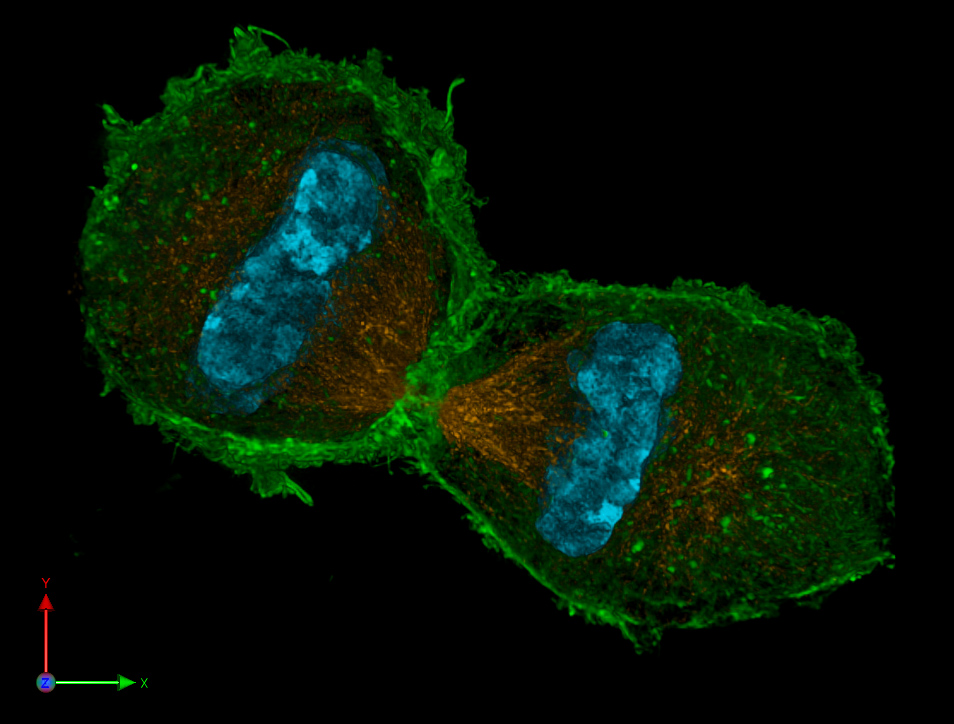
Autopoiesis refers to the self-maintaining and self-producing processes found in living systems, introduced by Humberto Maturana and Francisco Varela in 1972. This concept has been applied to various fields, including cognition, neurobiology, and systems theory. Autopoiesis challenges traditional notions of life and organization, offering insights into the complex relationships between living systems and their environments. For example, Humberto Maturana and Francisco Varela used autopoiesis to understand the self-organizing processes of living cells, while Niklas Luhmann applied it to the study of sociological systems.
How does autopoiesis relate to cognition?
The concept of autopoiesis has been applied to the study of cognition, where it is used to understand the self-organizing processes that underlie neurobiological systems. Researchers such as Evan Thompson have explored the implications of autopoiesis for our understanding of mind and consciousness, highlighting the importance of considering the self-organizing processes that underlie human experience. For instance, Evan Thompson has used autopoiesis to understand the embodied and embedded nature of cognition, while Stewart Brand has applied it to the study of sustainable systems.
What are the implications of autopoiesis for our understanding of life and organization?
The implications of autopoiesis for our understanding of life and organization are profound. By recognizing that living systems are self-organizing and self-producing, we can gain insights into the complex relationships between an organism and its environment. This perspective challenges traditional notions of life and organization, instead emphasizing the importance of understanding life as an embodied and embedded process. For example, Ludwig von Bertalanffy's general systems theory influenced the development of autopoiesis, while Humberto Maturana and Francisco Varela's work on autopoiesis has been applied to the study of cognition and neurobiology.
How has autopoiesis been applied to other fields?
The applications of autopoiesis extend far beyond the realm of biology and cognition. The concept has been applied to the study of architecture, where it is used to understand the self-organizing processes that underlie the design and construction of buildings and cities. Researchers such as Stewart Brand have also applied the concept of autopoiesis to the study of sustainability, examining how social and ecological systems can be designed to maintain and reproduce themselves over time. For instance, Stewart Brand has used autopoiesis to understand the self-organizing processes of ecosystems, while Niklas Luhmann has applied it to the study of sociological systems.
What are the key debates surrounding autopoiesis?
The key debates surrounding autopoiesis include the implications of autopoiesis for our understanding of cognition and consciousness. Researchers such as Evan Thompson have explored the implications of autopoiesis for our understanding of mind and consciousness, highlighting the importance of considering the self-organizing processes that underlie human experience. For example, Evan Thompson has used autopoiesis to understand the embodied and embedded nature of cognition, while Humberto Maturana and Francisco Varela's work on autopoiesis has been applied to the study of cognition and neurobiology.